- Brent is around $112; West Texas Intermediate broke $100.
- Hong Kong, Shanghai, Jakarta and Manila are up, others have fallen.
- The markets are preparing for the publication of the profits of the titans of Wall Street.
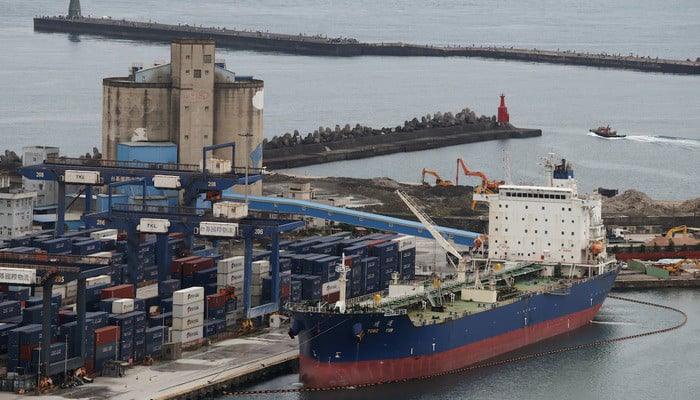
Asian stocks fluctuated Wednesday, while oil prices fluctuated as negotiations to end the war in Iran appeared to be stalled and the crucial Strait of Hormuz was no closer to being reopened.
While the White House said Donald Trump and his team were studying Tehran’s latest proposal to restore traffic to the waterway, CNN and the The Wall Street Journal said the president was skeptical.
The Islamic Republic submitted a plan this week that would allow it to ease its stranglehold and allow Washington to lift its retaliatory blockade on the country’s ports while negotiations continue, particularly on its nuclear program.
While U.S. Secretary of State Marco Rubio said the Iranian proposal was “better than what we thought they were going to submit,” he insisted that any eventual deal must be “one that definitely stops them from rushing toward nuclear weapons.”
Iranian Defense Ministry spokesman Reza Talaei-Nik said Washington “must abandon its illegal and irrational demands,” adding that the United States was “no longer in a position to dictate policy to independent nations.”
Qatar has warned of the possibility of a “frozen conflict” if a definitive resolution is not found.
Concerns about stalled peace efforts have pushed crude prices higher for more than a week, with Trump’s decision to cancel his envoys’ trip to peace talks in Pakistan last weekend adding to the pessimistic mood.
Brent is above the level it reached before the two sides announced a ceasefire in early April, hovering around $112, while West Texas Intermediate topped $100 on Tuesday for the first time in two weeks.
Both contracts were slightly higher on Wednesday.
“Iran wants the blockade to be lifted and access to its flows restored,” writes Stephen Innes of SPI Asset Management.
“Washington holds this leverage and is in no rush to give it up without extracting value.
“Meanwhile, the longer this goes on, the more second-order effects start to kick in. Storage pressure increases, production risks arise, and the system begins to strain in ways that futures prices cannot ignore.”
There were few major reactions to the news that the United Arab Emirates’ top producer had decided on Friday to withdraw from the OPEC and OPEC+ oil cartels, calling it a strategic move.
Always, CNN also cited sources close to the mediation as saying the two sides were not as far apart as it seemed.
He added that intense diplomacy was continuing and the talks were focused on a step-by-step process, the first part of a potential deal aimed at returning to pre-war status and reopening the strait.
Iran’s nuclear program will be resolved eventually, he added.
Equity markets were mixed, with gains in Hong Kong, Shanghai, Jakarta and Manila, while Sydney, Singapore, Seoul and Taipei fell.
Traders received a small lead from Wall Street, where the Nasdaq posted losses on a tech selloff that followed a Wall Street Journal report that ChatGPT maker OpenAI missed its user and revenue targets.
The news came as markets prepare for this week’s earnings release from Wall Street titans Amazon, Google, Meta and Microsoft.
The Federal Reserve will also wrap up a two-day meeting later today, with investors keeping an eye on its inflation and interest rate outlook as energy costs soar.