
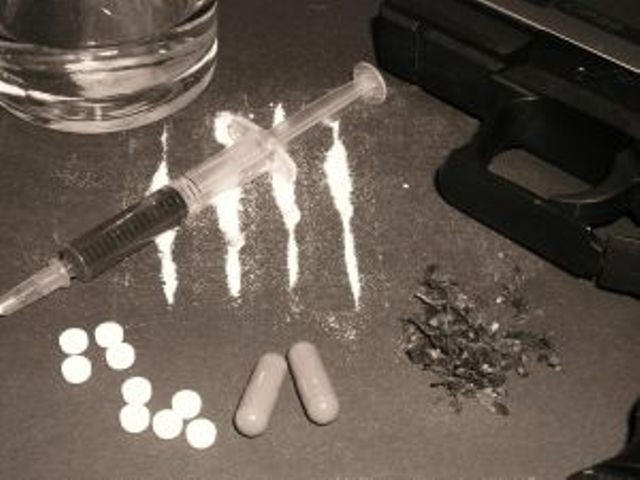
HEC officials say a formal monitoring system has been put in place to combat drug use and smoking in establishments
ISLAMABAD:
A worrying increase in suspected drug-related cases has been reported in universities across Pakistan, with 365 cases recorded across 58 higher education institutions in 2025, including 10 involving support staff.
According to documents obtained by The Express PK Press Clubthe highest number of cases were reported from universities in the federal capital with 153, followed by Punjab with 130, Sindh with 75 and Khyber-Pakhtunkhwa (KP) with seven.
The report shows that 28 female students were involved in alleged cases of drug abuse in Punjab universities, 10 in federal institutions and eight in Sindh universities. No cases involving faculty members have been reported, while no cases involving female students have been registered at KP.
Higher Education Commission (HEC) officials said a formal monitoring system has been introduced to curb drug use and smoking in educational institutions. As part of this policy, “anti-drug and tobacco committees” have been established in 245 public and private universities and higher education institutions across the country.
Read: Drug addiction on the rise on campus
These committees actively participate in the enforcement of anti-drug laws, conduct awareness campaigns and guide students. HEC officials added that sub-campuses of universities have also been instructed to create such committees to improve coordination within and outside the campuses.
The committees were empowered to investigate and take action against the use, sale and distribution of drugs.
Meanwhile, the Parliamentary Standing Committee on Education has sought detailed reports on drug cases reported, preventive measures taken and existing standard operating procedures (SOPs) related to drug control in educational institutions.
The committee asked the authorities to take more effective measures to prevent drug use in educational institutions to protect the younger generation from this menace.


