
The medical degree requires 6,200 hours of study with a minimum attendance of 80% over five years
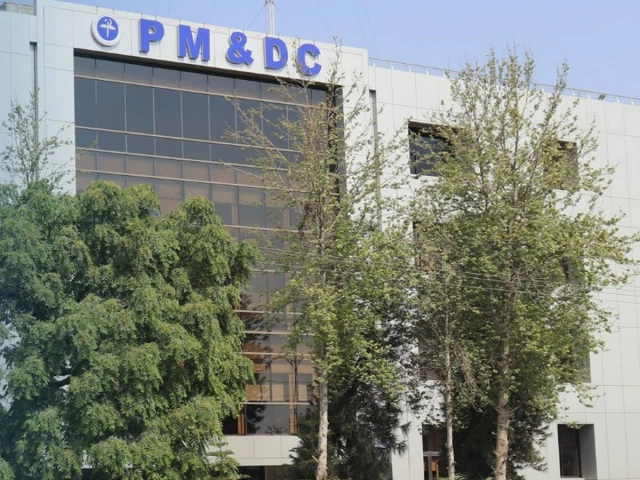
The Pakistan Medical and Dental Council (PMDC) on Tuesday announced a new policy requiring students intending to pursue medical or dental studies abroad to qualify for the Medical and Dental College Admission Test (MDCAT) and obtain PMDC registration before leaving Pakistan.
According to a statement issued by the PMDC, the decision was taken at a high-level committee meeting chaired by Deputy Prime Minister Ishaq Dar. The meeting of the Sub-Committee on Accreditation of Medical and Dental Colleges and Postgraduate (PG) Qualifications reviewed the ongoing reforms aimed at strengthening medical and dental education in the country.
“The committee has clearly decided that all students intending to pursue medical or dental studies abroad are required to compulsorily qualify the MDCAT examination and register with the Pakistan Medical and Dental Council before going abroad,” the statement said.
Read: PMDC registrar faces allegations of misconduct
The committee stressed that there would be “no compromise on inspection standards and procedures”, reiterating a policy of “zero tolerance towards any negligence, irregularity or lack of compliance in the accreditation process”.
A high-level committee headed by Dar is currently overseeing efforts to strengthen the regulatory framework for medical and dental education in Pakistan. The subcommittee focuses on improving transparency, standardizing accreditation mechanisms and streamlining the recognition and inspection processes of undergraduate and postgraduate qualifications, in line with international standards.
During the meeting, detailed discussions were held regarding inspection procedures for undergraduate and postgraduate medical and dental programs. The committee appreciated the continued efforts to ensure “smooth, transparent and merit-based inspections” of institutions.
Committee members were briefed on the reforms, updated procedures and new mechanisms introduced to improve the quality and credibility of inspections. The participants also highlighted the importance of maintaining high standards in medical and dental education to safeguard the future of healthcare in Pakistan.
The committee further asked students to verify that the foreign institution they intend to join was included in the list of recognized institutions of PMDC before proceeding with admission.
“The institution must be accredited by the World Federation for Medical Education (WFME) or listed in the World Directory of Medical Schools,” the statement added.
According to the new guidelines, medical qualification must include at least 6,200 hours of training with a minimum attendance of 80% over a period of five years.
The committee also said that students enrolled in countries where the language of instruction is not English must spend at least five months learning the local language before starting their studies.
“In countries where the language of instruction is not English, students must spend at least five months learning the local language before starting their medical studies to ensure effective communication and academic understanding,” the statement said.
Additionally, graduates returning from foreign institutions will have to pass the national matriculation examination conducted by the PMDC in order to obtain registration in Pakistan.
The committee asked students to provide complete details of their residence and contact numbers in the country of study before their departure. Students have also been advised to obtain a multiple entry visa valid for the duration of their studies before traveling abroad.
“These measures have been introduced to safeguard the academic and professional future of Pakistani medical students and to ensure that graduates meet the national and international standards required for medical practice,” the committee said.


