
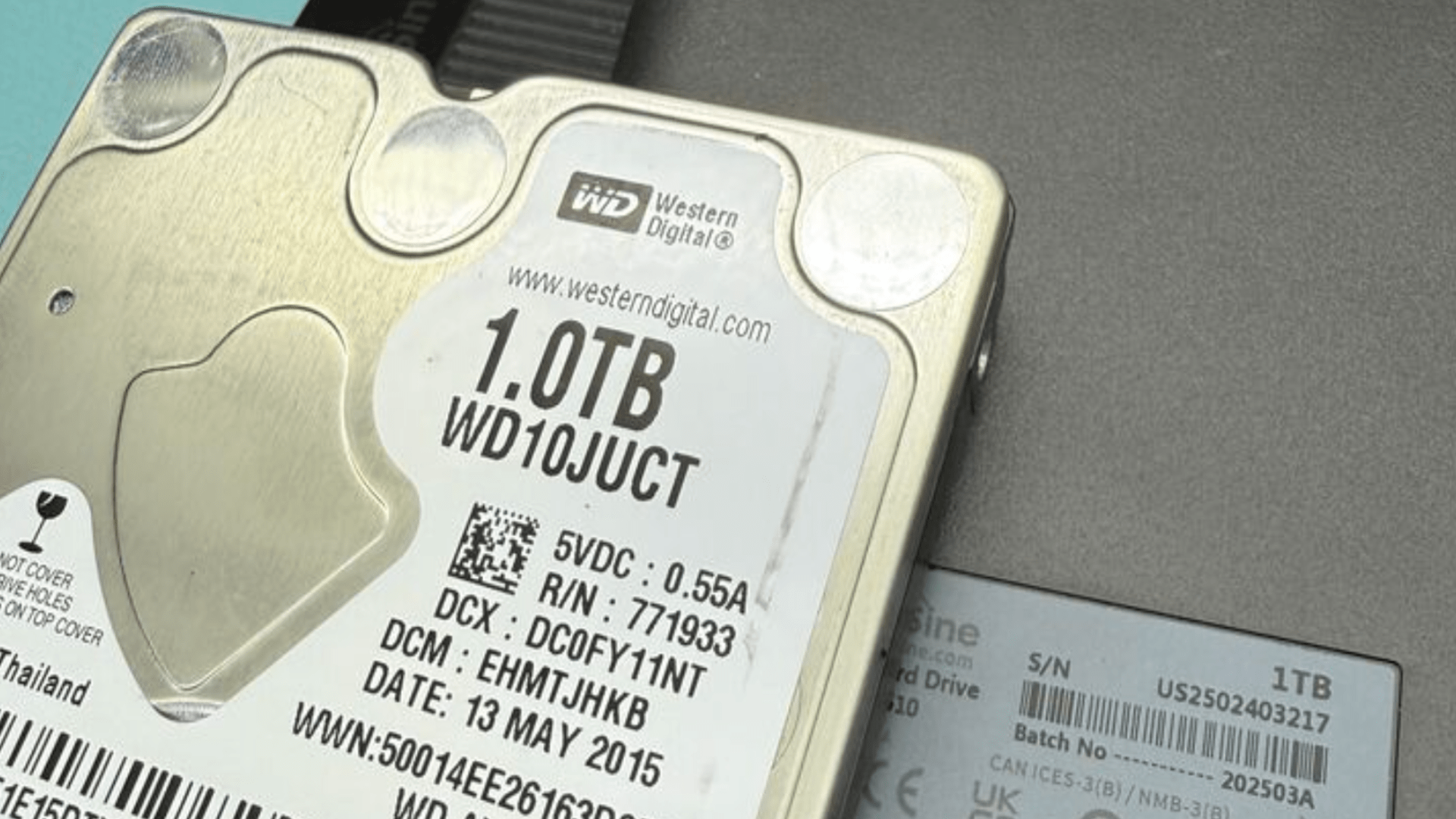
- Western Digital says slowing hard drives no longer cripples application performance
- WD’s solution delivers lower storage power consumption without sacrificing consistent response times
- Reduced drive power consumption allows for greater storage capacity within the confines of the existing rack
Western Digital (WD) has developed a new power-optimized drive technology that allows hard drives to slow down without incurring major performance penalties.
Ahmed Shihab, the company’s chief product officer, said the technique reduces power consumption enough to interest customers while still maintaining the performance they expect.
Traditional hard drives consume a lot of power even when users or applications are not actively accessing them, which is not sustainable in the long term.

Rotating discs saves energy
This technique allows drives to enter a low-power state without the long startup delays that have made such approaches impractical in the past.
When a drive fails, it uses significantly less power, directly reducing the operating costs of large storage arrays.
The capacity advantage comes from a side effect: lower power consumption per drive means data center operators can fit more drives into the same power and cooling envelope.
Western Digital claims that the performance impact of stopping and backing up disks is small enough that most applications won’t notice the difference.
The company designed the technology to be compatible with the software stack running on top, requiring no major changes from customers.
Previous attempts to slow down hard drives to save power failed because the performance drop was simply too severe for production environments.
Applications that expect sub-millisecond access times would hang while waiting for the disks to return to their maximum operating speed.
Western Digital’s new plan balances power savings and affordability, keeping the delay short enough to stay within typical application wait times.
The company says this is the first time it has seen real interest and positive feedback from customers for low-power technology.
Hyperscale operators are demanding storage solutions that don’t force them to choose between energy efficiency and reliable performance.
A new level of storage between fast and slow drives
The technology effectively creates a new level of storage between high-performance SSDs and traditional archive hard drives.
Frequently accessed data remains on fully launched disks, while less critical data can be parked on disks that slow down when idle.
The operating system and storage software determine which data belongs to which level, not the disk itself.
Western Digital’s innovation is all about hardware, making spin-down practical without waiting for software to catch up.
Capacity gains come from density, not from larger platters or new recording techniques.
More drives with the same power budget means more total terabytes per rack, and that’s a math problem that every data center operator understands.
The smartest thing is to make the slowdown cycle fast enough that no one notices, and that’s where Western Digital claims to have finally solved what has been an industry-wide headache.
That said, hyperscalers will test this solution aggressively and their verdict will determine whether the rest of the industry will follow.
Via blocks and files

Follow TechRadar on Google News And add us as your favorite source to get our news, reviews and expert opinions in your feeds.


