
HYDERABAD:
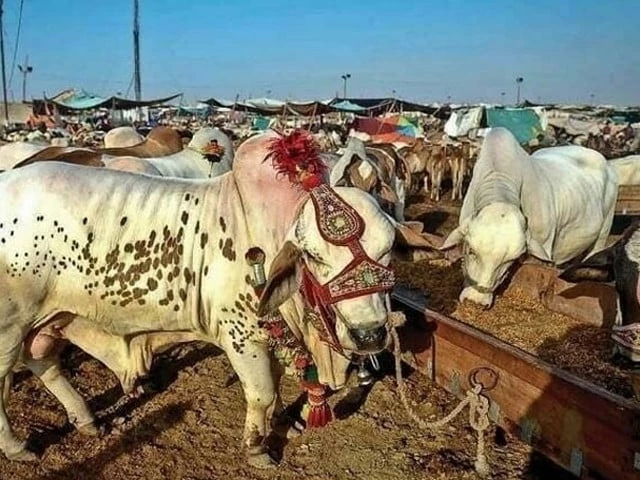
As Eidul Azha approaches, the buying and selling of sacrificial animals began in full swing across the city, but delays in setting up formal livestock markets have pushed traders to the side of the roads, turning main streets and intersections into makeshift bazaars.
As a result, traffic was severely disrupted, while piles of waste and animal remains further worsened sanitary conditions in several areas of the city.
With Eid just a week away, rising prices have already prompted citizens to start purchasing sacrificial animals. Many residents of Hyderabad travel to interior districts of Sindh in search of livestock, while others continue their search locally depending on their budget and preferences.
However, instead of designated facilities, livestock traders set up informal markets along highways, intersections, and neighborhood streets. Areas such as Godh Chowk, Latifabad Unit 8 Chowk, Unit 7 Central Road, Unit 10, Pakka Qila Chowk, Gado Chowk, several parts of Qasimabad, Phuleli, Paretabad, Sakhi Pir Chowk and Liaquat Colony have all reportedly been turned into temporary livestock trading points.
Every evening, traders gather with goats and other animals, tying them up along the roads and continuing their sales directly in the streets. Commuters are often forced to stop their vehicles in the middle of the road to inquire about prices, further worsening traffic jams in the city.
The presence of animals on the roads, as well as food waste and manure, have contributed significantly to the increase in garbage piles, creating serious difficulties for residents in their commute and daily commute.
According to sources, an official cattle market is held every Wednesday at Hatri Bypass under UC Hatri, where small and large animals are usually sold. However, the contract for this year’s Eid livestock market has not yet been awarded. Similarly, official procurements under the Hyderabad Municipal Corporation and Cantonment Board have also been delayed.
In the absence of regulated facilities, traders continue to operate on the streets, while police at local stations would be unable to take effective action.
Meanwhile, in areas such as Latifabad Unit 10 and Phuleli, private livestock farms and enclosures are also witnessing large-scale movements of animals imported from interior Sindh as well as cities like Multan, Bahawalpur and Gujranwala for sale.
Locals continue to move through crowded streets late into the night in search of suitable sacrificial animals, as Hyderabad’s temporary roadside markets become more crowded by the day.


