
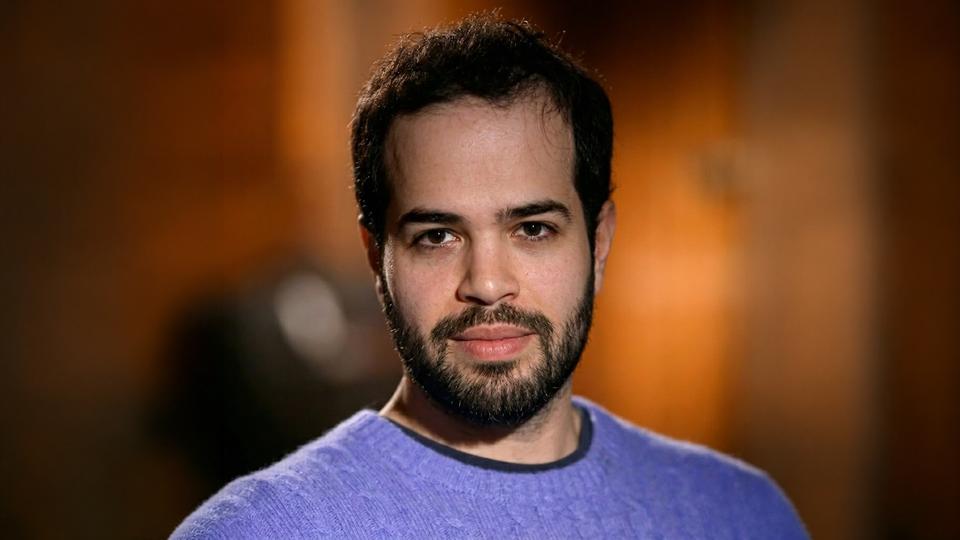
An in-depth insider trading investigation by Bubblemaps analysts reveals just how accurate bets on U.S. attacks on Iran were, revealing a trend that experts say poses immense risks to U.S. national security.
In an interview with CoinDesk, Nicolas Vaiman, co-founder and CEO of Bubblemaps, expressed deep concern about the national security implications of this alleged new wave of insider trading. He warned that if those who watch forecast markets can spot irregular trading, so can enemies of the United States.
“The problem here is that they can make war plans accordingly,” Vaiman said. “To put it bluntly, this could potentially put the lives of many people at risk. »
Vaiman said U.S. adversaries could easily spot insider trading patterns and use that information to plan their own military strategies.
Luck alone cannot explain accuracy
The warnings come as he and his team discovered 80 bets on Polymarket that were so accurate that “luck alone cannot explain” the numbers.
Driven by geopolitical tensions, bets on military plans and outcomes have soared, with more than $1 billion this year alone. The ability to bet on global conflict creates a whole new category of insider trading.
Onchain data showed that several major, high-conviction bets were placed days before the February 28 surprise attacks on Iran, the removal of its supreme leader and the announcement of a ceasefire.
According to Bubblemaps, nine accounts connected to Polymarket bet more than $2.4 million almost exclusively on U.S. military operations.
“They simply did not bet on US strikes a few days before they took place, but on later cross-platform dates to maximize their profits,” Vaiman said. They also placed smaller losing bets on February 20, likely in an attempt to avoid attention.
A 98% win rate is hard to miss
However, it is hard to miss executing dozens of bets with a 98% success rate. “During the Iranian strikes, civilians reportedly checked Polymarket to decide whether or not to sleep in bunkers,” Vaiman added. “So yes, governments and potential enemies are probably watching this closely. »
Asked if he had any indication that these insiders were connected to the U.S. government, Vaiman said, “we have no evidence that these are military insiders or even Americans.” He said: “The data is suspect and may indicate that someone has an unfair informational advantage.”
Representative Mike Levin recently said on X that “the insider trading problem with prediction markets is bigger than any of us could have imagined,” which is why he and Senator Adam Schiff introduced the DEATH BETS Act to ban war contracts.
An arrest for insider trading was made. A U.S. Army Green Beret, Master Sergeant Gannon Ken Van Dyke, made $400,000 on Polymarket bets he placed on the raid in Venezuela to extract President Nicolas Maduro in which he participated. Later that month, a study found that only 3% of “informed” traders were more accurate, while 97% were not.
Bubblemaps first made their investigation public on May 18 through a series of X-rated posts, in which they shared charts and images as evidence confirming the statistically impossible accuracy of the timing of each of the bets.
Two weeks before its findings, Polymarket announced a partnership with Chainalysis to bring Wall Street-level oversight to its platform, a clear indication that the prediction markets provider is serious about cracking down on insider trading and market manipulation.

Potential for manipulation
According to Vaiman, all of this raises other questions and concerns, such as the possibility of manipulation of prediction markets.
“A government could intentionally bet to create a false signal and mislead its adversaries into thinking something is about to happen,” he said. “Prediction markets are intelligence and information warfare tools. »
He also emphasized that prediction markets don’t just predict the future: “they can change it.” He cited cases where journalists were threatened with extortion by punters trying to protect their financial situation.
On the other hand, Vaiman defended Polymarket’s structural design and the transparency it provides, while refusing to blame the platform for compliance lapses.
“I don’t want to dunk on Polymarket,” Vaiman said. “In reality, anyone can use a cheap VPN or buy a KYC account. This isn’t just a Polymarket problem. It’s an internet-wide problem.”
Polymarket did not immediately respond to CoinDesk’s request for comment. However, has hit back at insider trading allegations in the past, saying it has strict insider trading rules, AI-based monitoring, and blockchain forensic analysis to identify suspicious activity and report it to the appropriate authorities. “Insider trading is not welcome on Polymarket, and those who attempt it will be identified,” the platform said.


