
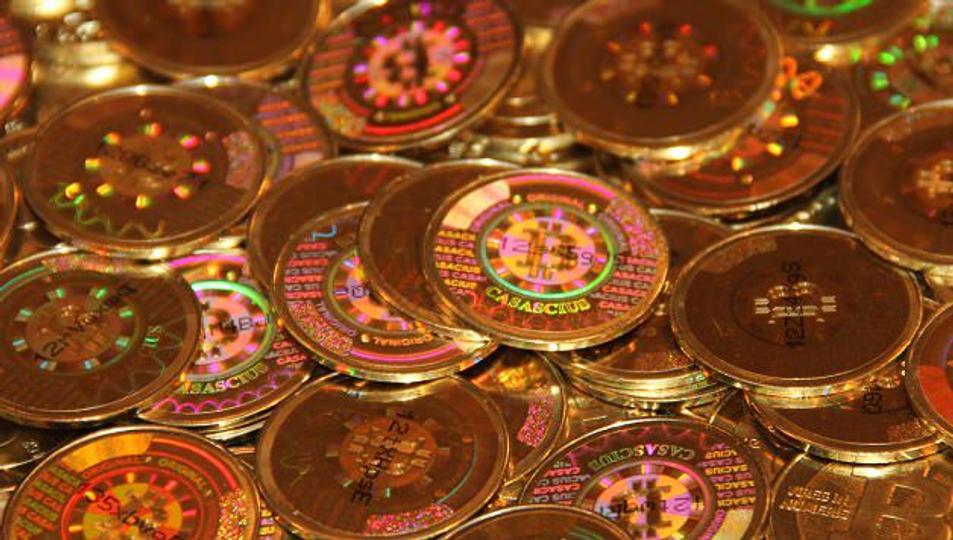
A physical bitcoin of the legendary 2011-2013 Casascius coin, its holographic seal was removed on Wednesday and the 25 BTC stored inside, worth $1.70 million at current prices, were transferred to a new wallet.
Casascius coins were physical tokens created by software engineer Mike Caldwell in denominations of 0.5, 1, 5, 10, 25, 100 and even 1,000 BTC. Each coin had its receiving Bitcoin address printed on the outside, with the corresponding private key hidden under a tamper-proof hologram on the back.
🪙 CASASCIUS COIN FAIL – S1-COIN-25 (face 25 BTC) swept for 25.0000 BTC ($1.78M)
A physical Casascius bitcoin from the 2011-2013 currency was peeled off and the private key scanned onto the chain.
Address: 1tLPQwd6wjvZpreivwHsEuU2ceSv6zaon
Also in our DB: Noah Doe #38977 ·…— Galaxy Search (@glxyresearch) June 3, 2026
Holders could spend the bitcoin at any time by peeling off the hologram and importing the private key into a wallet, a one-way process that destroyed the coin’s collectible status.
Caldwell halted production in late 2013 after the U.S. Financial Crimes Network informed him that he was operating as an unlicensed money transmitter.
Hologram-intact Casascius coins continue to occupy an unusual category in collectibles markets. Each coin contains real bitcoin at face value and represents a numismatic premium for the physical artifact when sold intact in collectors’ markets. Thousands of Casascius coins remain untraded, across all denominations, according to trackers.
Caldwell minted fewer than 20 of the coins with a face value of 1,000 BTC, most of which are still intact and are now believed to each contain the equivalent of around $66 million in Bitcoin. Although the project has inspired a wave of physical successor currencies to Bitcoin, including Lealana, Denarium and BTCC, Casascius remains by far the most collected.
Peeling a Casascius is a one-way business with real economic issues. High-value untouched Series 1 coins typically command a premium over their face value in bitcoin, meaning Wednesday’s buyback converted what could have been a more expensive collectible into pure bitcoin.
The buyback, recorded in Bitcoin block 952,159, comes during a week of unusual activity at the end of Bitcoin’s UTXO set, with a 2011-era wallet moving 35 BTC after 15 years of dormancy.


