
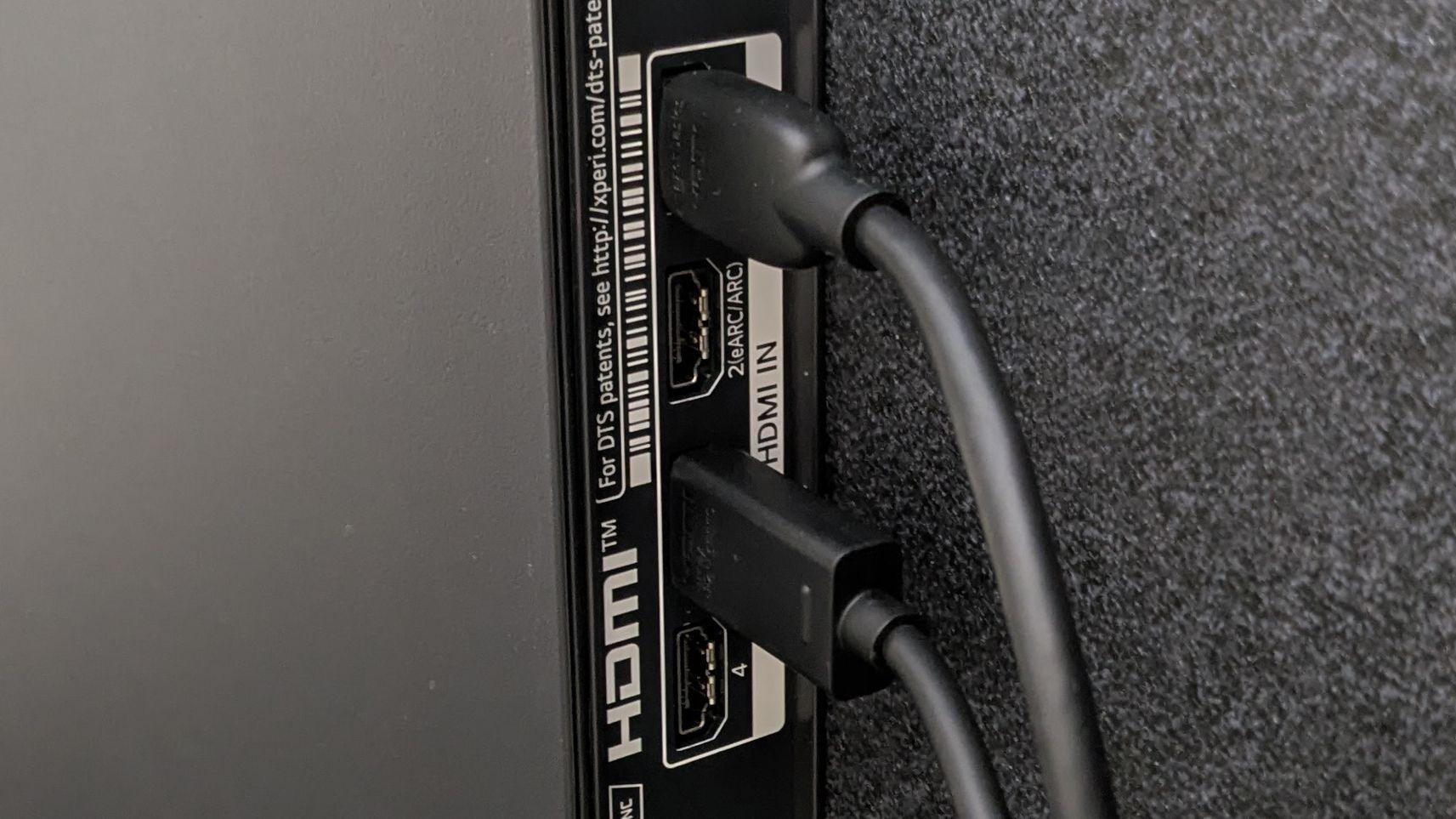
- The first HDMI 2.2 products should arrive in 2027
- Significantly increased bit rates with support for 4K 480 Hz or 10K resolution
- Great for PC gaming, but won’t make much difference to viewers
HDMI 2.2 is coming and it could be a very big problem for gamers. In fact, it offers double the bandwidth of HDMI 2.1: up to 96 Gbit/s.
This means that HDMI 2.2 is capable of delivering uncompressed 4K at up to 240 Hz (current HDMI can only do this using Display Stream Compression, aka DSC) or uncompressed 4K at 480 Hz with 4:2:0 chroma subsampling, and it can also deliver uncompressed 8K RGB at 60 Hz. And thanks to DSC, it’s capable of delivering 1 440p at frequencies above 1000 Hz.
There’s an important qualifier, though: devices may be HDMI 2.2 certified without offering the fastest data speeds, so you’ll need to study the spec sheets of any potential purchase.

As FlatpanelsHD reports, the HDMI organization expects the first HDMI 2.2 devices to go on sale in 2027; testing and certification are already underway.
According to Rob Tobias, CEO and President of HDMI Licensing Administrator, “We are hearing that chipmakers are going to start sampling their FRL2. [Fixed Rate Link, the signalling technology used by HDMI] chips this year. So we should start seeing 96 or up to 96 gigabit HDMI 2.2 products next year. »
Will HDMI 2.2 be a big deal?
The specs are impressive, although it will be available in three versions, all faster than HDMI 2.1: 64 Gbps, 80 Gbps and 96 Gbps.
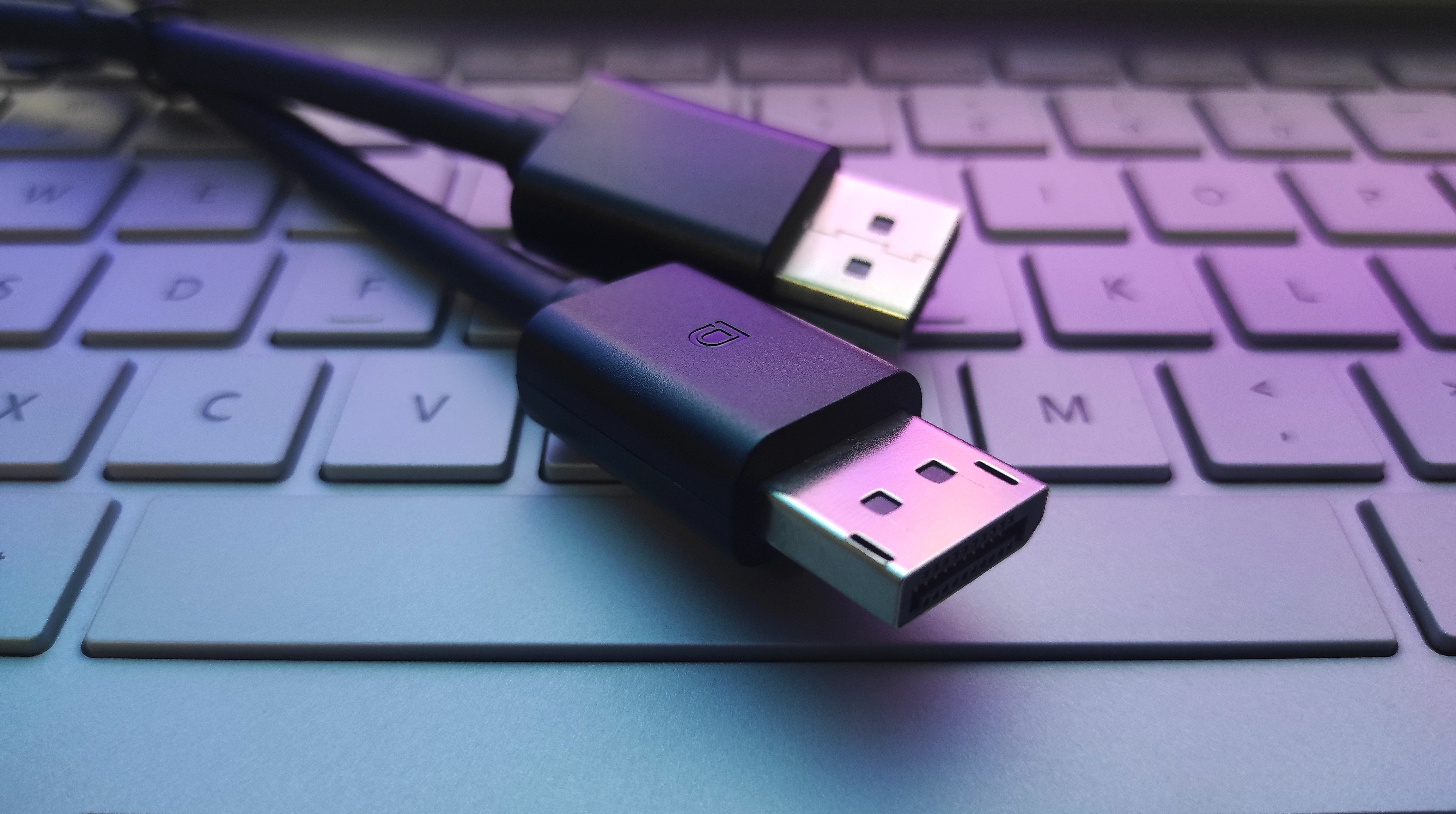
Performance for gaming is particularly impressive, but we already have DisplayPort 2.1 at up to 80Gbps in most of the best gaming monitors, so there’s no extremely urgent need for an upgrade. And HDMI requires probably higher licensing fees than DisplayPort.
Chances are, if you like high-end gaming hardware, you’ve already gone the DisplayPort route, especially if you have a multi-monitor setup, but HDMI 2.2 should mean more choice among high-end displays.
HDMI has more benefits in living rooms, thanks to features like ARC (Audio Return Channel), CEC (Consumer Electronics Control), and ALLM (Auto Low-Latency Mode). So it’s conceivable that the PlayStation 6 could adopt the higher bitrates of HDMI 2.2 – although games will rarely achieve the 4K 120Hz already achievable via HDMI 2.1, and we’re not sure that will really change with the PS6.
But some 4K 240Hz gaming might be possible, and the best gaming TVs might offer the refresh rate to support it, so there might be some benefits for the more hardcore. However, for most living room uses, HDMI 2.1 is probably overkill: it’s really the best for PC connectivity when it comes to pure data throughput.
However, HDMI 2.2 has another advantage: LIP, which stands for Latency Indication Protocol. LIP improves sound synchronization on home theater setups, such as soundbars or AV receivers. This can be a fairly common problem even with the best soundbars, so we’ll keep an eye on how it works.
For most of us, I think HDMI 2.2 is generally something to watch out for rather than something to demand upon launch. HDMI 2.2 was designed with 10K resolution in mind, but the vast majority of commercial and streaming video reaches 4K.
It’s something to think about when purchasing new AV hardware in the future (chances are we’ll have to wait until CES in 2028 for widespread adoption in TVs), but at least initially it’ll be more about marketing than any real benefits for most of us.
And keep in mind that HDMI adoption actually depends on the companies providing the connecting hardware.
Even today, not all high-end TVs have four HDMI 2.1 ports because the most powerful processing chips used by many manufacturers don’t support it. Some lower-tier TVs from the same manufacturers do this, because those chips have newer HDMI control elements – it’s a bit of a mess. I suspect HDMI 2.2 will have the same kind of slightly chaotic support.
On PCs, we’ll be relying on GPUs to support the technology, and new models aren’t expected until late 2027 or after – so there’s a good chance we’ll see HDMI 2.2 on them. But like HDMI 2.1, it will likely launch on higher-end models first.
Are you planning to buy a new television?
Try our TV size and model finder! You tell it how far you’re sitting from your TV, we’ll tell you what size to buy based on viewing angle advice from picture quality experts, and we’ll recommend our three best TVs of that size at different prices.

Follow TechRadar on Google News And add us as your favorite source to get our news, reviews and expert opinions in your feeds.


