When U.S. and Iranian negotiators meet Friday in Switzerland after nearly four months of war, the stakes couldn’t be higher as they face a series of obstacles that could derail efforts to reach a comprehensive peace deal.
While a breakthrough cannot be ruled out, most analysts are skeptical that the two sides will be able to reach a final settlement within the 60-day time frame outlined in a “memorandum of understanding” that President Donald Trump and Iranian leaders approved this week.
This interim agreement has moved the most difficult issues to the next phase of negotiations, with no guarantee that they will ever be resolved. The following are potential spoilers:
Can they fill the nuclear gaps?
The fate of Iran’s nuclear program – which Trump has cited as the main reason he is going to war – could be most likely to derail the negotiations. Trump has previously touted Iran’s commitment to never developing a nuclear weapon, but this largely reaffirms Tehran’s long-standing commitments.
Where negotiations could break down is over what to do with Iran’s stockpiles of near-atomic-grade uranium. Trump said he wanted it shipped or destroyed. Iran wants neither, although it has indicated a possible willingness to dilute this information.
Another sticking point concerns Iran’s future uranium enrichment. The United States has sometimes demanded zero enrichment in Iran. Iran says it will not give up its right to enrichment. Sources said the two sides have already discussed a potential moratorium ranging from 5 to 20 years, but compromise remains elusive.
Also at issue is whether Iran will accept the level of international inspection carried out under the nuclear deal struck by former President Barack Obama in 2015 and which Trump abandoned in 2018.
Could the Strait of Hormuz complicate things?
Questions remain over the strait, which Iran effectively blocked, triggering a global shock over energy supplies, after the attack by the United States and Israel on February 28. Under the terms of the memorandum of understanding, the waterway, which normally carries a fifth of the world’s oil, will be reopened on Friday, but shippers remain cautious.
The United States says it will be free. Iran, which gained influence through control of the channel it lacked before the war, insists it will retain a management role.
What about sanctions and frozen assets?
Another obstacle: Iran wants Trump to quickly lift sanctions and release billions in frozen funds, while the United States says the easing will be gradual and linked to Iran’s compliance. Under the text of the memorandum of understanding read by U.S. officials on Wednesday, Iran would immediately receive waivers to sell oil again, a conciliatory gesture that adds to criticism from Iran hawks that Trump is giving up too much.
Trump may, however, be reluctant to hand over money to Iran in the near future. The memorandum of understanding is already being compared to the deal reached under Obama, who he has long criticized for returning some Iranian funds.
Could Israel be a spoiler?
Israeli Prime Minister Benjamin Netanyahu, who helped convince Trump to launch the war, insisted that Israel was not bound by any U.S.-Iran agreements in its fight against Iran-aligned Hezbollah in Lebanon.
Although hostilities have diminished since Trump reprimanded Netanyahu this week, further escalation could threaten negotiations. Iran says the deal also requires a ceasefire in Lebanon.
Will the negotiation styles clash?
The US team – Vice President JD Vance, envoy Steve Witkoff and Trump’s son-in-law Jared Kushner – and their Iranian counterparts may struggle to reconcile disparate negotiating styles.
Trump is known for demanding quick results; Iran prefers prolonged negotiations. This posed a problem in previous rounds, which ended in failure and could mean a similar outcome this time around.
Trump told reporters that this stage of negotiations would be “easier” than the first. Both sides are seeking to end the conflict. The president is under increasing pressure at home over high gasoline prices, and Iran has been battered militarily and economically.
The American team, however, is expected to lack technical expertise and come up against seasoned negotiators who are used to dragging out negotiations. This means that 60 days might be too tight to work out a detailed agreement. It took about two years to finalize the Obama deal.
Even if an agreement were reached, doubts could remain about its implementation. Trump helped broker a ceasefire last year in Israel’s war with Hamas in Gaza, but the process has stalled since then.
Could distrust be a factor?
Iran is deeply suspicious of Trump, who attacked it twice last year in the middle of negotiations.
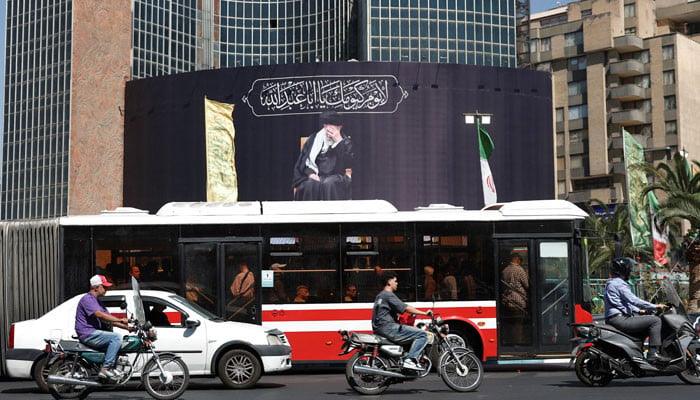
Whether Iranians are willing to compromise could also depend on their supreme leader, Ayatollah Mojtaba Khamenei, seen as tougher than his father, who was martyred along with other family members in a U.S.-Israeli strike.
The United States will also be wary and watchful to see if Iran drags it in, as Trump aides say they have already experienced.
If they fail to overcome their differences to reach a comprehensive settlement, there is still the possibility of a limited agreement or an extension of negotiations – although the risk of a resumption of hostilities also looms.
Other reasons why negotiations could fail
- If Trump gives in to pressure from Iran hawks to resist concessions;
- If already conflicting interpretations of the MoU create unrealistic expectations;
- If Trump makes the kind of harsh threats he issued during the conflict, it would prompt Iran to break off negotiations.