NEWYou can now listen to PK Press Club articles!
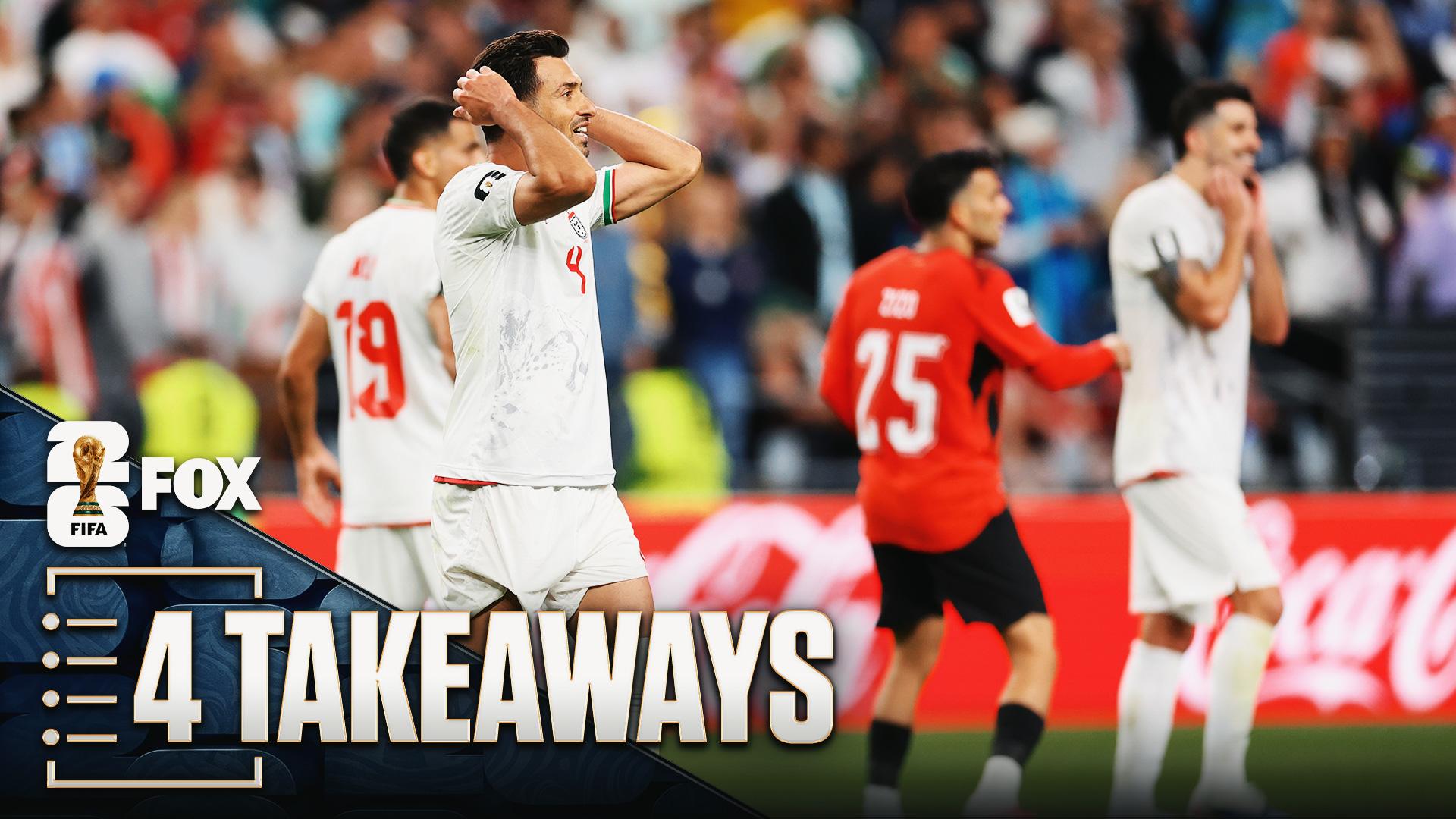
For about 20 seconds in Seattle, Iran had won its World Cup. Shoja Khalilzadeh scored the winner in stoppage time, the bench was halfway on the pitch and Team Melli was through. Then VAR drew its lines and the celebration was erased by a sleeve’s width. Final score: Egypt 1, Iran 1.
Mahmoud Saber put Egypt ahead in five minutes, Ramin Rezaeian equalized from an angle that shouldn’t have been there, and the rest of the night was spent on the goal that didn’t count.
Here’s what I remember from the 1-1 draw between Egypt and Iran:
1. The call that almost knocked the whole group down
Sit with the math for a second, because it’s brutal. Khalilzadeh’s denied winner wasn’t just three points. Had he held on, Iran would have beaten Egypt 2-1, leapfrogged them into second place in their head-to-head encounters and advanced to the round of 16 as runners-up in the group. Egypt? Until the third.
Instead, the flag went up, the score remained tied, and the dominoes fell the other way. At the same time, Belgium took advantage of their status as big favorites to beat New Zealand 5-1, taking first place on goal difference. Egypt slipped into second place. Iran must wait for the third lottery.
An offside call, three nations reorganized. We say tournaments change based on a thumb. Tonight in Seattle, it was the least measure.
2. Salah’s redemption tour has found its stop
(Photo by Al Sermeno/ISI Photos/ISI Photos via Getty Images)
Go back seven months and Mohamed Salah had overstayed his welcome at Liverpool. Benched, feuding with Arne Slot, thrown under the bus in his own right, summer exit confirmed after nine memorable years at Anfield. League top scorer in May, unused substitute in December.
Now look at him. Hossam Hassan dragged Salah out from the wing into a central No.10 role, hid the half yard of pace that Father Time took over and let the mastermind do the running. He didn’t even need to score here. Egypt rested their captain in the 57th minute with a historic first place in the World Cup round of 16 all but sealed.
And spare a thought for the man who didn’t make the XI: Omar Marmoush. Manchester City’s brilliant Egyptian striker was dropped after a flat group stage, Trezeguet preferred. Egypt moved forward trusting the old playmaker rather than the new toy.
3. Iranian players thrived despite challenges
Forget the table for a second and watch the obstacle course. A group dragged across the West Coast and the U.S.-Mexico border, visa delays, a migraine-like travel schedule and press conferences filled with questions unrelated to football. Then Iran withdrew and refused to lose. Three draws. Undefeated against Belgium, New Zealand and Egypt. They overcame those obstacles and the moment until the stoppage, and came within a flag of winning a game they didn’t need to win late.
Here’s the cruel part: being undefeated might not be enough. Iran sits in third place with three points, waiting for the other groups to decide their fate.
For everything they went through to get here, “wait and see” is a miserable thank you note. Standing tall, however, counts for something after all the players and staff have endured.
4. The VAR call Iran will see in its sleep
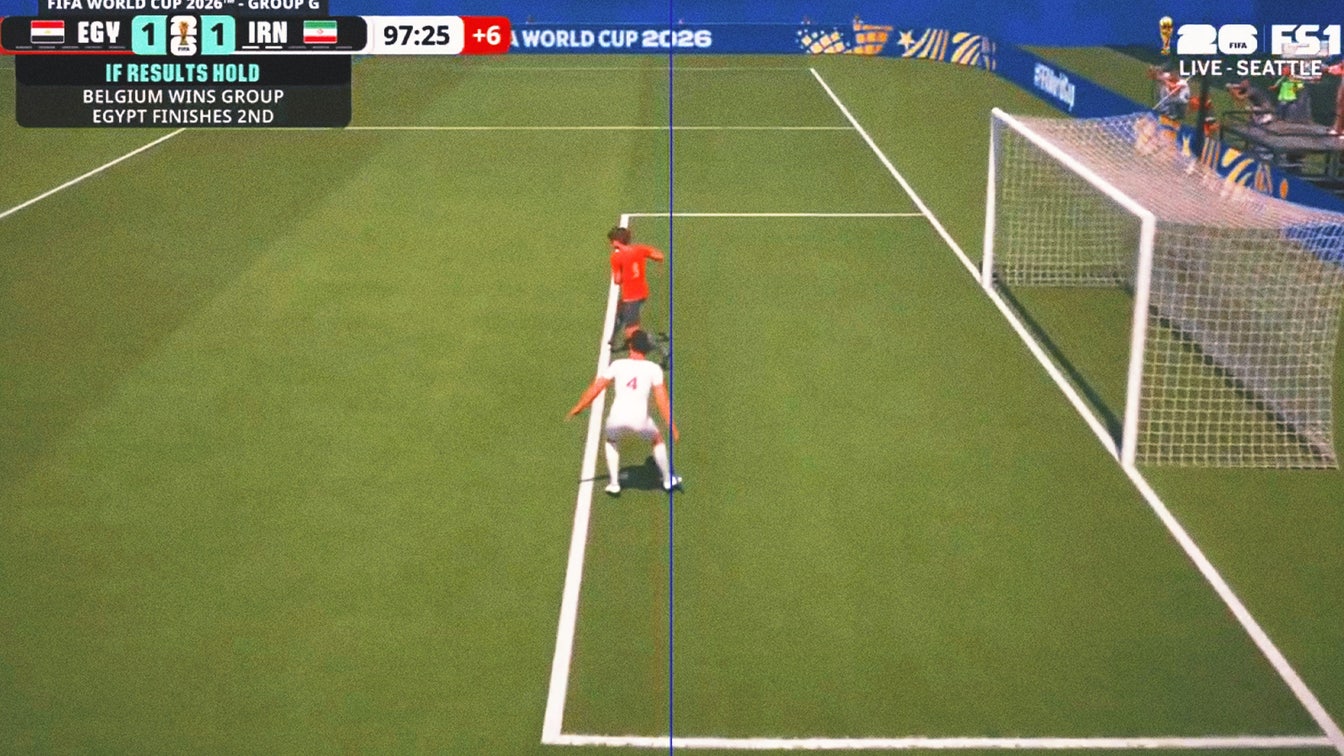
We are in the era of fixed arbitration. A winner in stoppage time, a stadium in full roar, and then come the numerical lines to decide that a shoulder, a sleeve, a burst from Khalilzadeh, had drifted a hair too early.
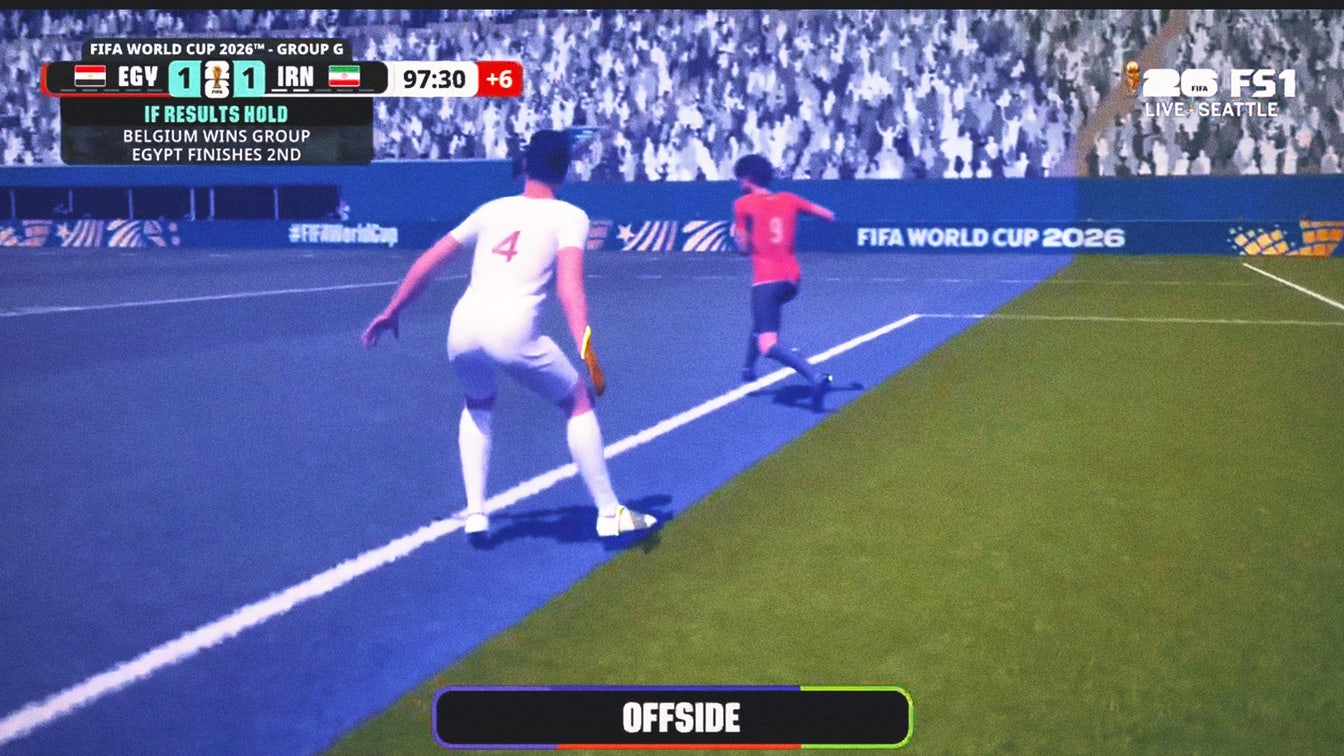
On eye test it appeared flat. And this is the second time this precise punch has hit Iran in a tournament, after Mehdi Taremi’s magnificent free-kick against Belgium was also ruled out for shoulder-width offside.
At some point, sympathy turns into a real question: How much confidence do we have in the millimeter-precise lines drawn on a sprinting body? Technology always has human eyes behind it. What Iran continues to have is a man in a booth deciding their World Cup by a margin that would take a microscope to argue, with the benefit of the doubt landing somewhere other than their own half. Twice.