
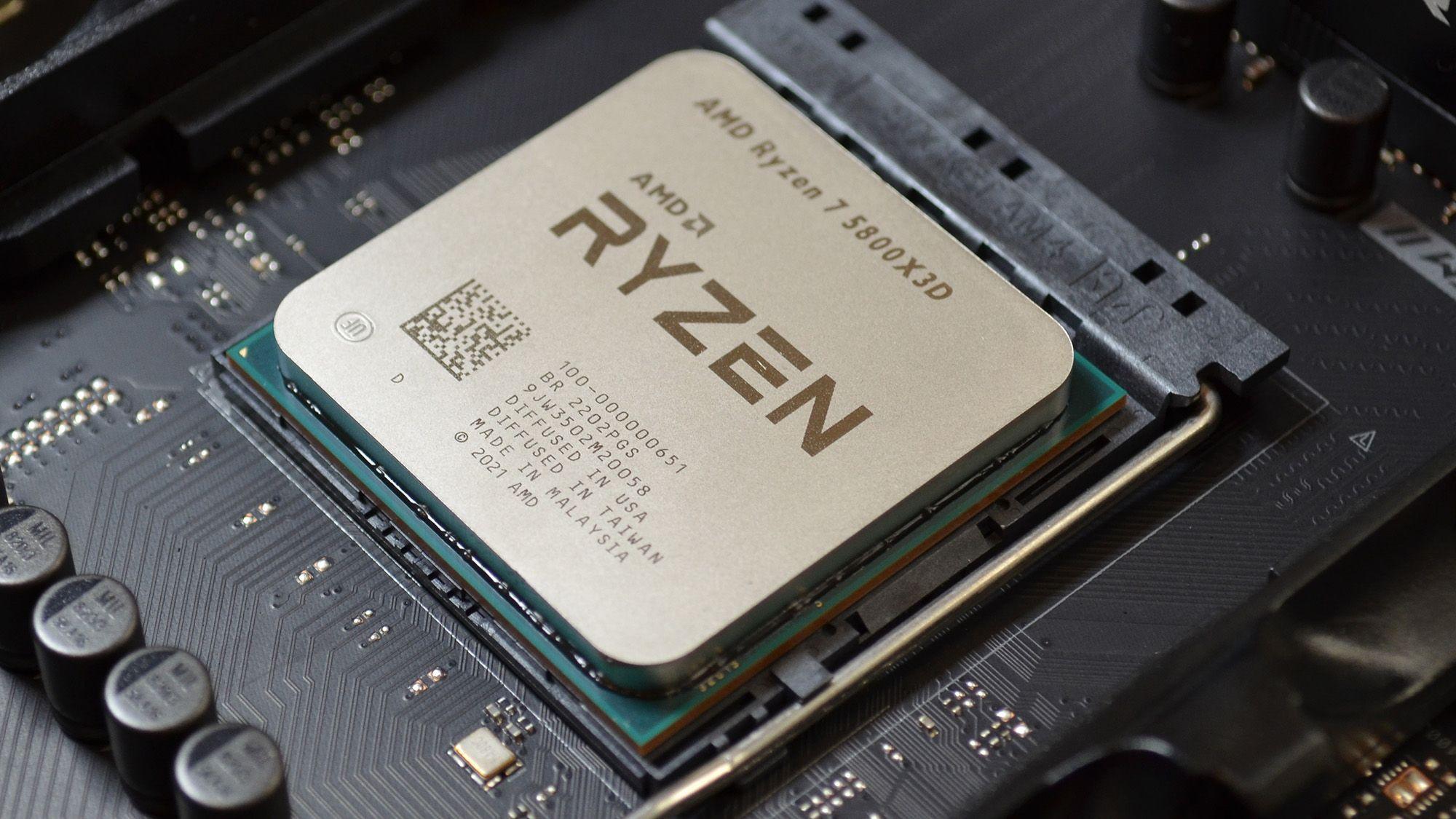
- AMD has “relaunched” three processors that use existing cores to meet demand at the lower end of its mobile and desktop processor offerings.
- The processors range from 2 to 8 cores and leverage its older Zen+ and Zen 2 core technologies as the chip designer grapples with memory and storage shortages to serve an increasingly cash-strapped budget segment.
- All three processors support Microsoft Windows 11 and leverage cheaper DDR4 memory, as manufacturers aim to “hold the fort” in the face of growing demand for AI, creating challenges for entry-level PC buyers.
AMD’s latest Ryzen processor offering may not be one that most of its performance-oriented consumers would appreciate in 2026.
The company is looking to reintroduce three budget-focused mobile processors that last appeared over five years ago, using the older Zen+ and Zen 2 cores.
The move comes at a time when assemblers and consumers are grappling with rising costs for chips, memory and storage, even as low-end options continue to become increasingly limited for price-conscious users.

A Dual-core CPU in 2026?
AMD is reintroducing the Ryzen 3 3100U, Ryzen 5 3501U, and Ryzen 7 4700LE to mainstream markets, according to reports. The processors offer dual-, quad-, and octa-core options.
While the Zen 2-based desktop Ryzen 7 4700LE has a listed launch date of March 25, 2026, the other two SKUs launched more recently, in June 2026, according to AMD’s own listings.
Both the Ryzen 3100U and 3501U use AMD’s older Zen+ architecture on a 12nm process node, making them less power efficient than the 7nm-based Ryzen 7 4700LE.
In a statement emailed to PC WorldAMD said: “The Ryzen 3100U and Ryzen 3501U are additional SKUs based on AMD’s existing Picasso architecture that have been developed to support specific OEM requirements in the value segment. These processors are intended to meet targeted customer demand for lower cost solutions and will be available in limited volumes from select OEMs.”
Because OEM components are made directly available to laptop assemblers, AMD doesn’t disclose pricing for these models, although rival chipmaker Intel appears to be taking a similar route.
What might irritate some users in particular is not the fact that the 3100U and 3501U are rebadged processors that will still lag behind the most basic laptop processors available in recent years, but the fact that AMD might think it’s acceptable to offer a 2-core, 4-thread processor in 2026 as a benchmark for new entry-level laptops.
The Ryzen 3 3100U is drawing considerable anger, as editors are already making unfavorable comparisons to current-generation Athlon processors. Although it offers the same iGPU (Vega 8), TDP (15W), and memory configuration (DDR4-2400), as well as the same socket (FP5) as its quad-core sibling, it is noticeably weaker than most, if not all, recently launched mobile processors.
Unsurprisingly, it makes a difference for Windows 11 by offering support for fTPM, enabling secure boot, and simply preempting Microsoft’s stated requirements for its operating system (1 gigahertz (GHz) or faster with 2 or more cores), although most users will struggle to do anything more than the bare minimum on a laptop with an essentially rebadged processor from 2019.
AMD’s decision, however, is based on the fact that rising prices for RAM, SSD, and cutting-edge silicon are creating a void that needs to be filled in the near future, even if its target audience appears to have an increasingly short end of the stick as part of the solution.

Follow TechRadar on Google News And add us as your favorite source to get our news, reviews and expert opinions in your feeds.


