
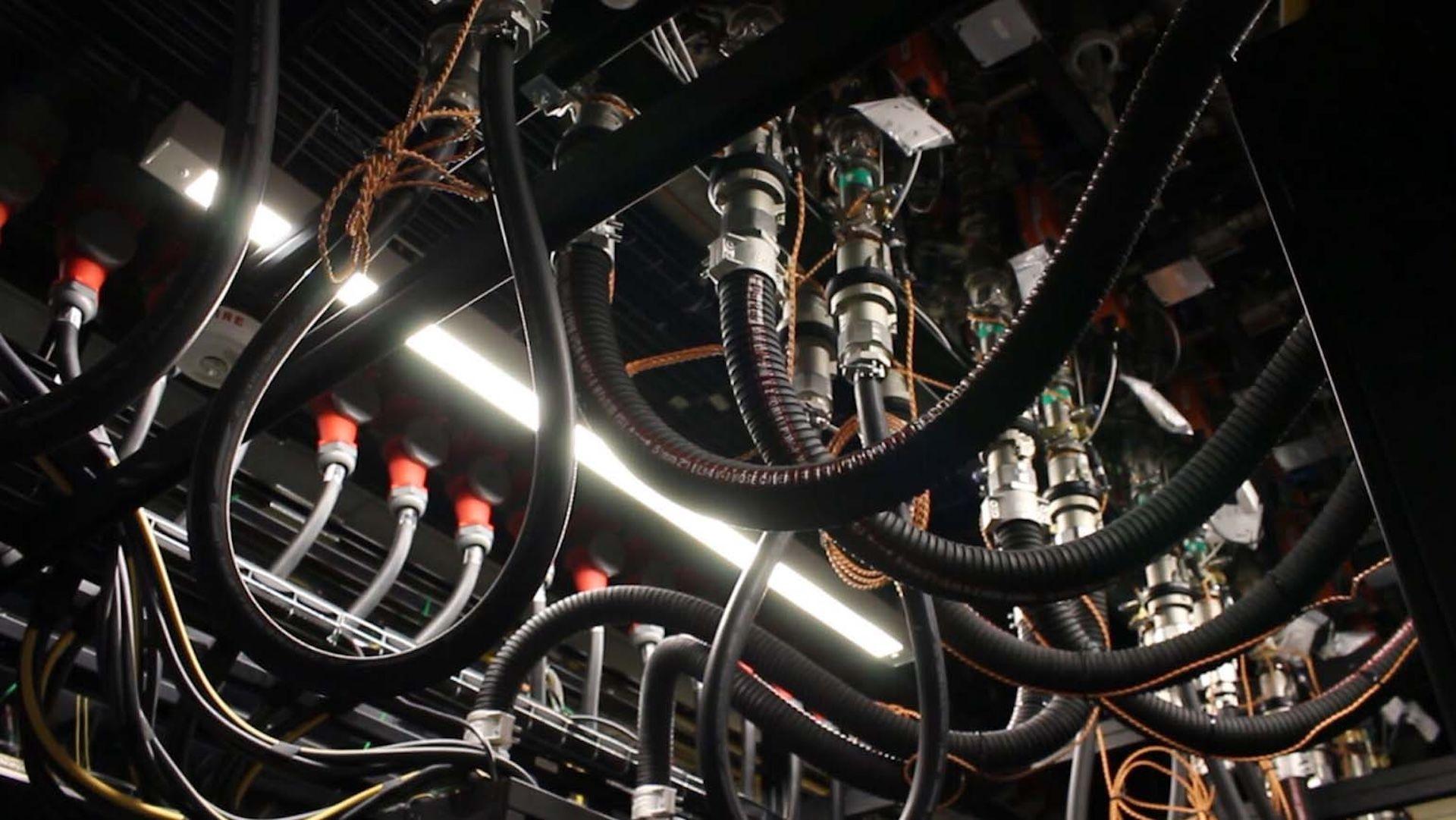
- 54% of global data center capacity is at risk from temperature-related climate stress
- Even before damage occurs, operating costs can skyrocket to meet cooling demands.
- Future projects should focus on temperature projections and resource availability
A new report from First Street has identified extreme heat as one of the most significant long-term risks facing data centers around the world, with rising global temperatures, higher hardware power density and strained cooling demands all contributing to this problem.
More than half (54%) of the global data center capacity surveyed is now reportedly located in markets that expect to face increasing chronic climate risks, such as rising temperatures, more frequent heat waves, drought and water stress.
But in addition to causing physical damage, rising temperatures can also increase operating costs simply by requiring more cooling capacity, the report claims.

Heat is a data center’s worst enemy
Higher temperatures mean that cooling systems must work harder to keep servers within safe temperature ranges, leading to higher power consumption, lower cooling efficiency, greater wear and tear on cooling equipment and potentially all server hardware if optimal temperatures are not maintained, and higher operating and maintenance costs.
With cooling already one of the largest ongoing expenses for data centers, rising temperatures could worsen the effects.
Summer 2026 is already proving to be a stress test for data centers in the Northern Hemisphere, with temperature records broken in Europe and North America, where approximately 50% and 46% of capacity respectively is located in regions of chronic heat and drought. Up to 89% of capacity in the Asia-Pacific region faces the same challenges.
Looking ahead, the report concludes that future data center investments should focus on projections of future temperatures rather than historical climate data and the availability of electricity and water to support long-term cooling operations.
Companies could also consider locating campuses in low-risk areas, which have so far seen relatively slower development.
“As digital infrastructure continues to expand globally, institutions that integrate climate risk into their site selection, underwriting and capital allocation decisions will be better positioned to identify resilient opportunities and manage their long-term exposure,” the company says.

Follow TechRadar on Google News And add us as your favorite source to get our news, reviews and expert opinions in your feeds.


