
- ITV sells its media and entertainment divisions to Sky
- The £1.6 billion deal is a major shake-up for British television.
- Analysts say viewers could expect Sky and ITV’s offerings to merge in the future.
The UK’s television landscape has just changed dramatically, with ITV announcing it has agreed to sell its media and entertainment businesses to Sky in a massive £1.6 billion deal.
The deal makes it one of the largest in British media history. This will see Sky take ownership of the ITVX platform and ITV’s free-to-air channels, but will not include the ITV Studios production arm (which makes products like I’m a celebrity And Mr. Bates v. Post Office).
So what does all this mean for the average Downton Abbey Sky fan or subscriber? Will ITV channels remain free? And what does this mean for current and future shows on both platforms?

Here are some of those big questions answered by media and broadcasting experts…
Will ITV continue to broadcast for free?
Yes, at least for the foreseeable future. ITV has public service broadcasting commitments under its license which run until 2034. The deal with Sky changes nothing.
Tom Harrington, TV analyst at Enders Analysis, says the fact that ITV is free-to-air is probably also a key reason for the potential deal. “ITV remains profitable and the reach it has as a major commercial broadcaster is likely the main reason it would be attractive to Comcast/Sky.”
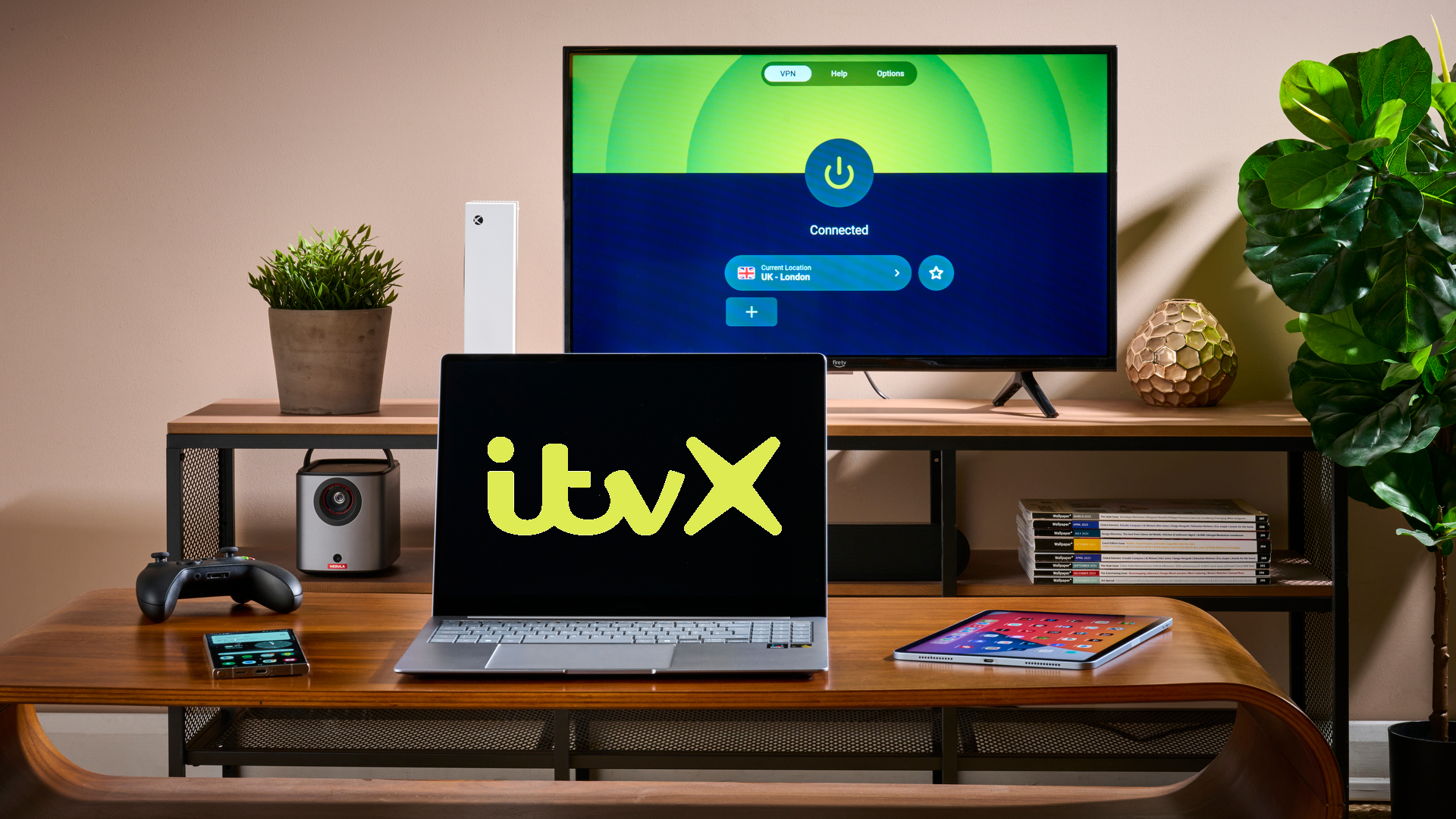
However, Sky’s focus could increasingly shift from ITV’s broadcast offerings to its online streaming platforms – and could ultimately see ITVX and NOW TV merge.
“Online video advertising remains a key growth area, as audiences increasingly turn to the convenience of vast catalogs available via streaming. As such, monetizing this space is critical to broadcasters’ current strategies,” said Peter Ingram, research director at Ampere Analysis.
“A sale of ITV to Sky will likely result in an accelerated development (and possible integration) of streaming propositions such as ITVX and NOW, with a focus on expanding online video subscriptions and advertising revenues,” he added.
In other words, expect ITVX and its ITVX Premium subscription to become Sky’s main focus. Traditional television will not be left behind.
“ITV’s linear operations may be streamlined, but key strengths will remain to continue to monetize the still large and loyal audience for linear television,” added Peter Ingram.
What could this mean for current TV shows?
Major changes for ITV or Sky viewers are unlikely in the short term due to existing agreements and contracts. But you can expect to see more ITV shows on Sky, and vice versa.
“An immediate impact of a combination could be an element of integration of Sky and ITV’s programming assets,” predicts Peter Ingram of Ampere Analysis.
“Both companies are among the biggest spenders on content in the UK, with ITV providing a range of locally resonant shows, news and sports rights. Sky offers first-run films and TV series and local and international TV series, major sports rights (such as Premier League football) and news. Both operators could use some of these programming assets in a combined entertainment ecosystem to greater effect,” he added.
However, Enders Research’s Tom Harrington told us before the deal was finalized that changes could be slower. “From a viewer point of view, in the short term there would probably not be much discernible change: the ITV and Sky offerings would remain similar,” he said.
“Over time, Comcast/Sky may have divergent views to the current ITV management on how to monetise free-to-air broadcasting and there may be changes to channels and a different approach from ITVX,” he added.
The nature of the deal – which does not include ITV’s production arm, ITV Studios – could also potentially affect the type of shows you see on its channels. ITV Studios produces shows like The island of love and I’m a celebrity… get me out of here And The voice. They could one day find another home, some analysts predict.
“ITV Studios’ biggest customer is ITV itself, and more than half of all ITV’s programming comes from shows it makes itself in the studios,” Harrington explained. “So if Comcast/Sky were to acquire ITV broadcasting, we would assume that this would include a long-term deal guaranteeing the flow of content from ITV studios to the channels/ITVX,” he noted.
“However, even with some sort of agreement, it can be predicted over time that the relationship between these two parties will weaken from current levels,” he said.
Is this good or bad news for viewers?
It is still too early to draw definitive conclusions on the agreement. However, experts have highlighted three potential impacts that are generally good, bad or mixed.
Given previous mergers, there is reason to be concerned about TV quality, according to Tom Harrington of Enders Research. “Typically, in an M&A like this, the result is less content produced overall, as savings and efficiencies are immediately sought. So overall there may be less supply – even if this is not necessarily obvious to the viewer,” he said.

However, the positive side is that the TV shows made could be more widely available. “One could imagine Sky wanting to use Sky’s programming on ITV and vice versa. So some viewers can have access to shows and some sports that they may not have had access to before,” he added.
Peter Ingram of Ampere Analysis is also a little more optimistic about the long-term health of TV shows on ITV and Sky. “The increased scale offered by the group’s presence in television and streaming would facilitate an even stronger revenue base, enabling the production of higher quality original programming for UK consumers,” he predicts. Let’s hope so of course.
Follow TechRadar on Google News And add us as your favorite source to get our news, reviews and expert opinions in your feeds. Make sure to click the Follow button!
And of course you can too follow TechRadar on TikTok for news, reviews, unboxings in video form and receive regular updates from us on WhatsApp Also.


