

- Samsung targets 2028 to commercialize its floating data centers
- Land shortages and application processes would be avoided
- Salt water issues need to be addressed
As land-based data centers come under increased scrutiny for water and energy consumption and face growing local opposition, cloud providers are being forced to think more creatively, and Samsung is now imagining a floating data center.
Its subdivision of the Samsung Heavy Industries Group now plans to commercialize floating data centers as early as the second quarter of 2028, and is even considering securing orders before installations.
By floating the computers on water, Samsung would be able to overcome the lack of land, but also reduce cooling requirements by keeping them at a more stable temperature.

Samsung to float its data centers on water by 2028
The company’s plans include the development of a dedicated barge to house servers, electrical infrastructure and onboard electrical equipment. However, initial deployments would primarily use onshore electricity, leveraging existing grid infrastructure but benefiting from the cooling properties of water.
Previous concepts also proposed the idea of using solid oxide fuel cells powered by LNG, while renewable sources like solar and wind could also be considered.
Samsung also argues that floating facilities could be delivered faster than traditional land-based facilities because they can avoid lengthy permitting processes and use shipbuilding’s existing manufacturing processes and tools.
However, the concept also has some complexities that need to be considered, such as water penetration and humidity, the corrosive nature of salt water, and the stability of tides and currents.
“Floating data centers represent a major new opportunity for shipbuilding and offshore industries,” concluded Sung-an Choi, CEO of Samsung Heavy Industries.
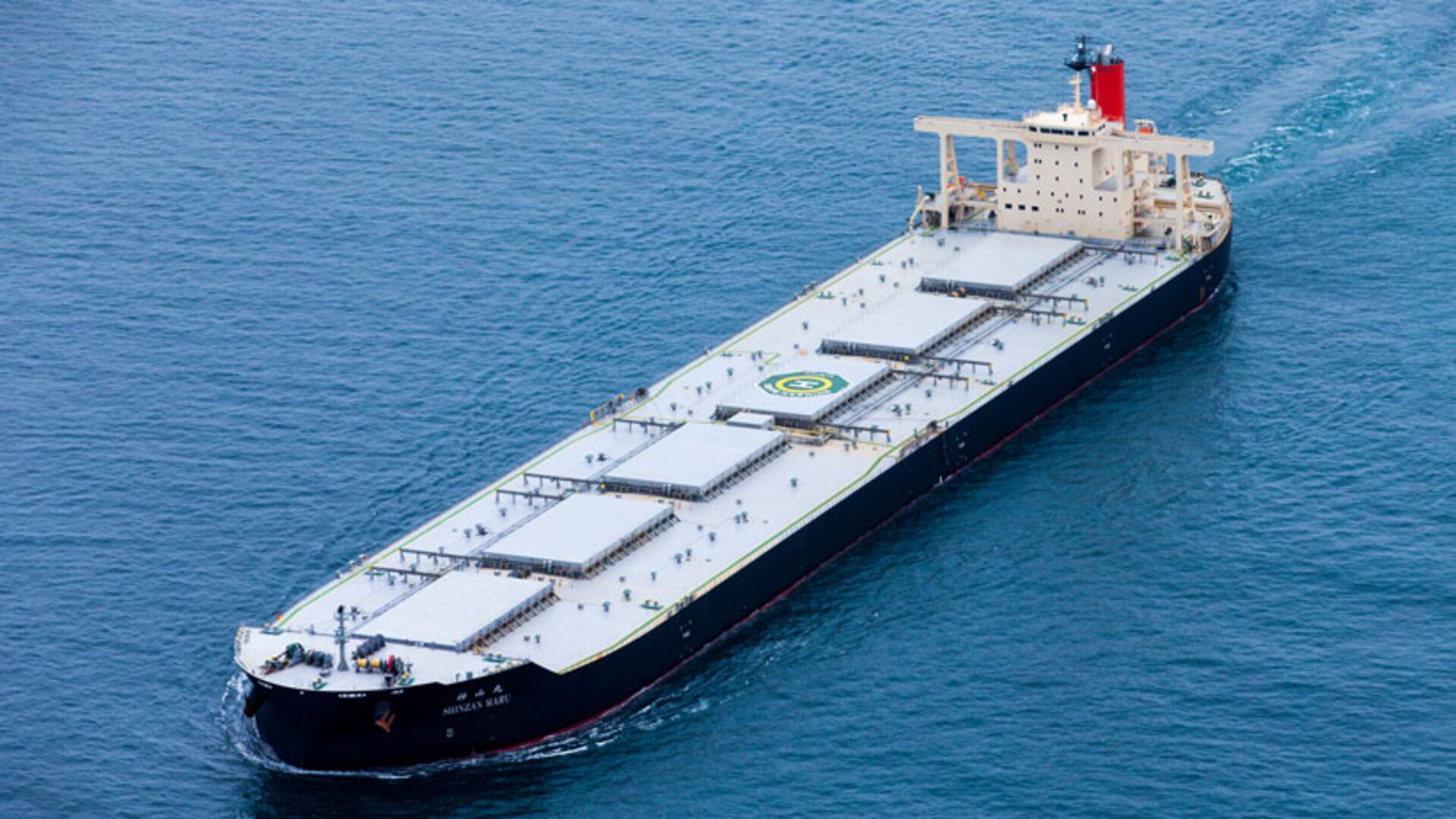
Samsung is not the first tech heavyweight to talk about the potential of floating data centers, especially as energy demand increases due to AI pressures.
Recent reports detail how Peter Thiel-backed startup Panthalassa is developing floating data centers using wave energy and seawater cooling systems.
And in May 226, a floating data center project in Japan gained significant support from Hitachi, which signed a memorandum with shipping company Mitsui OSK Lines to develop and operate the facility.
Chinese authorities and private engineering firm HiCloud Technology also recently announced the launch of a $226 million joint installation of an underwater data center where sealed server modules operate under the ocean using seawater for passive cooling.
This 24-megawatt facility handles artificial intelligence workloads, 5G services and large-scale data annotation operations requiring significant computing capacity.
Microsoft has also already tested an submerged data center capsules through its Project Natick initiative, carried out near Scotland and California before stopping commercial development efforts.
All this while discussions about sending data centers into space continue, of course, and while it’s unclear what might solve the problem in the long term, floating data centers certainly seem more realistic on a shorter timetable.
Via Seoul Economic Daily

Follow TechRadar on Google News And add us as your favorite source to get our news, reviews and expert opinions in your feeds.


