
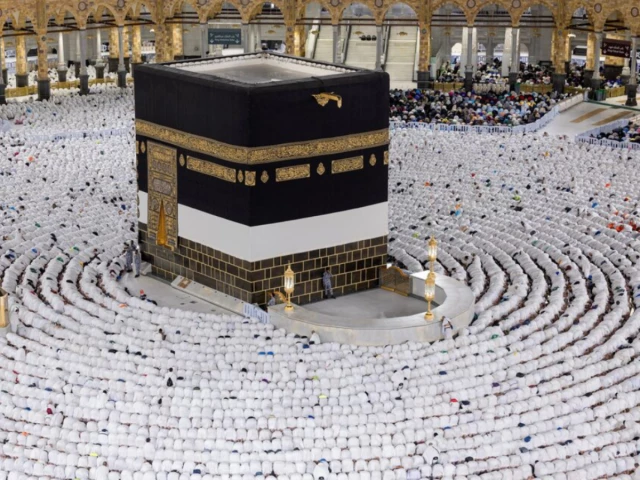
Also approves the introduction of a Sharia-compliant Hajj savings program to help citizens bear the cost of the ritual
Federal Cabinet Approves Hajj Policy and Plan 2027-2030 with Focus on Integration of Digitalization
The federal cabinet on Tuesday approved the “first-ever” Hajj policy and four-year plan, ordering authorities to complete the digitalization of the operation to ensure “better” facilities for pilgrims, the state channel reported. Radio Pakistan reported.
Prime Minister Shehbaz Sharif today chaired the federal cabinet meeting, where participants were given a detailed briefing on the latest long-term Haj policy.
The cabinet members were informed that the new policy was designed to improve operations and provide better facilities to pilgrims, and that standard operating procedures and other regulatory frameworks would be developed for its implementation. Furthermore, modifications would be made to it, if necessary, to keep it aligned with Saudi laws and regulations.
To ensure affordability, the cabinet also approved the introduction of a Shariah-compliant savings scheme to enable aspiring pilgrims to benefit from a savings plan to perform Haj in the future.
The meeting was informed that under the latest policy, aspiring pilgrims would be able to register for Haj in any year until 2030, allowing the ministry to prepare a priority waiting list.
The cabinet members were further informed that the entire Haj management system was being digitalized to support online payment mechanisms, with the introduction of complaints management and tracking systems as well.
وزیراعظم محمد شہباز شریف نے آج اسلام آباد میں وفاقی کابینہ کے اجلاس کی صدارت کی۔
Future prospects for the year 2027-2030 for the period 2027-2030
اجلاس کو بریفنگ میں بتایا گیا کہ پالیسی کے تحت سرکاری اور پرائیوٹ حج کا کوٹہ مختص کیا گیا ہے۔ پالیسی کے تحت لانگ اور شارٹ حج… pic.twitter.com/hyv7euo8FP
– Government of Pakistan (@GovtofPakistan) July 7, 2026
Under the newly approved policy, the cabinet was informed that separate quotas were allocated for government and private Hajj programs, including options for long and short stay.
The policy also prescribed training for pilgrims, takaful provisions and emergency response mechanisms.
The cabinet ordered authorities to appoint Haj Moavineen “on merit” through a transparent mechanism. He further requested that third-party validation of government and private Haj operations should also be ensured to facilitate pilgrims.
The cabinet also congratulated Minister of Religious Affairs Sardar Muhammad Yousaf and his team for the successful management of this year’s pilgrimage.
Read: Saudi Arabia allows Haj travel for children aged 12
The cabinet also approved a policy for outsourcing of services at the Isolation Hospital and Infection Treatment Center as well as the Islamabad Regional Blood Transfusion Center to improve citizens’ access to healthcare, with the Ministry of National Health Services being tasked to implement it.
The cabinet members were also briefed on the performance of Pakistan Railways, including that its revenue increased from Rs 95 billion in 2024-25 to over Rs 115 billion in the last fiscal year, registering an increase of 24.19 per cent, mainly due to freight revenue.
Officials said railways’ freight revenue increased by over Rs 8 billion, other revenue by Rs 7 billion and real estate and land revenue by Rs 6 billion. The meeting participants were informed that revenue from passenger services increased by 3.37% during the same period.
They were further informed that apart from improvements in railway operations, significant progress had also been made in freight logistics.


