
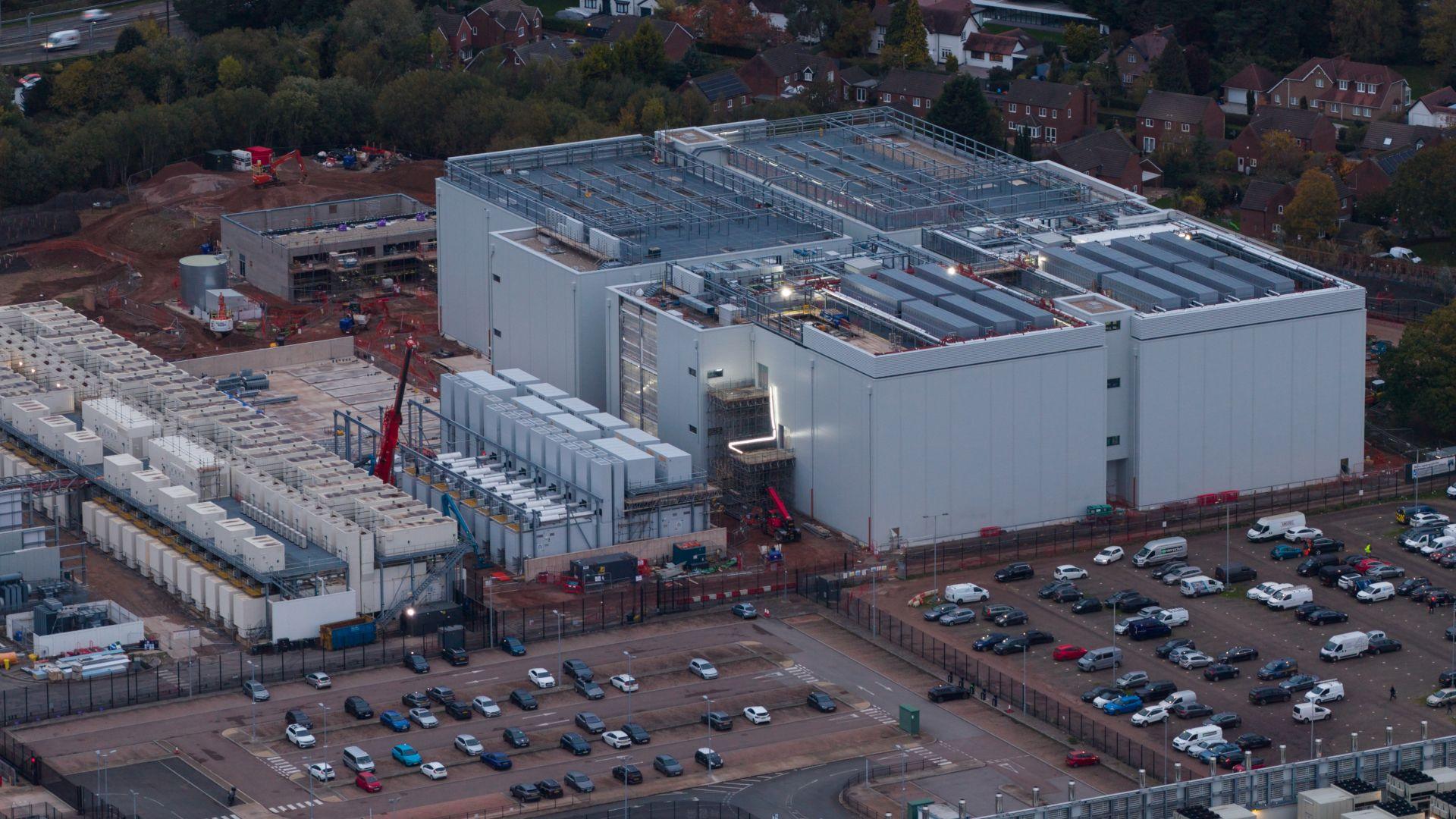
- UK data centers can apply for special ‘nationally significant’ designation under the NSIP program
- The designation allows new projects to receive direct approval from Whitehall, avoiding local planning and building regulations.
- Opposition to data centers in the UK has not reached the same levels as in the US, where projects worth billions of dollars have been delayed due to local opposition.
UK data centers now have the option to apply for ‘nationally significant’ status previously reserved for critical infrastructure such as power generation, roads, railways and undersea cables.
The UK government has also removed the legal requirement for pre-application consultation on nationally significant infrastructure projects (NSIPs) in legislation which comes into force later this month, potentially reducing the time it takes to process applications by up to a year.
Projects approved for NSIP status are not subject to local building regulations and authorities and instead receive permission directly from the UK Government. Data centers will therefore be able to request this same status with a reduced processing time.

What determines an NSIP?
As of now, there is no official guidance on what determines that a data center is an NSIP.
Talk to The registerLaw firm Womble Bond Dickinson said: “Data centers are not automatically accepted as NSIP; instead the NSIP scheme operates on a voluntary opt-in basis for developers. A data center project may be directed to the NSIP scheme where the Secretary of State considers it to be of national importance and is satisfied that the statutory tests under section 35 of the Planning Act 2008 are met.”
The UK has long been poised to take advantage of new technologies, with regional cyber centers springing up across the country in areas of technological importance for innovation, growth and talent development – such as the Cheltenham Cyber Center strategically positioned close to Government Communications Headquarters (GCHQ).
The NSIP designation for data centers will likely accelerate the construction of “AI growth zones” to accompany cyber hubs and strengthen the UK’s sovereign AI capability. This means data center construction projects of “national significance” will soon start to appear across the UK.
The NSIP also provides potential projects with pre-application guidance to improve both the timeliness of their application and the chances of approval, with more than 80 potential projects having already benefited from this new guidance.
Since “nationally significant” status allows projects to bypass local planning and building regulations, it will also likely attract the attention of local “not in my backyard” (NIMBY) groups. It remains to be seen how effective the NSIP label will be in countering this local opposition.
The UK Local Government Association has published a response on the sustainability of data centers in the UK which states: “Data centers and AI infrastructure cannot be planned in isolation from wider digital connectivity, energy, water, land use and climate systems. Councils must be treated as key partners in the design and implementation of national digital strategies, including AI growth zones, reform planning and investment in infrastructure.
What is the current attitude towards data centers in the UK?
Opposition to UK data centers has not received the same level of support as in the US, but the UK has not been subject to the same massive construction of data center projects as the US.
A YouGov / Cavendish Consulting survey [PDF] A November 2025 survey of 2,124 UK adults found that the UK population largely supports building new data centers (69%), with 24% saying they strongly support it and 45% saying they somewhat support it.
Opposition is significantly weaker, with only 7% saying they tend to oppose data center projects, and only 3% strongly opposing them.
The other trend to analyze is the 21% who answered “Don’t know,” which highlights the lack of understanding of what a data center is, why it is built, and how it relates to AI technology.
This was further highlighted by a June 2026 survey by SEC Newgate, which found that 89% of UK adults were unfamiliar with data centers.
The United States has seen opposition to data centers at the local and national levels, centered on fear of AI-related job losses, environmental damage, and legitimate fears about local capacity constraints caused by the energy and water demands of massive data center campuses.
How new UK data centers work with local authorities and community groups will weigh heavily on national opinion of data centers in the years to come, especially now that new projects can bypass local regulations via NSIP designation.
Via Tom’s material

Follow TechRadar on Google News And add us as your favorite source to get our news, reviews and expert opinions in your feeds.


