
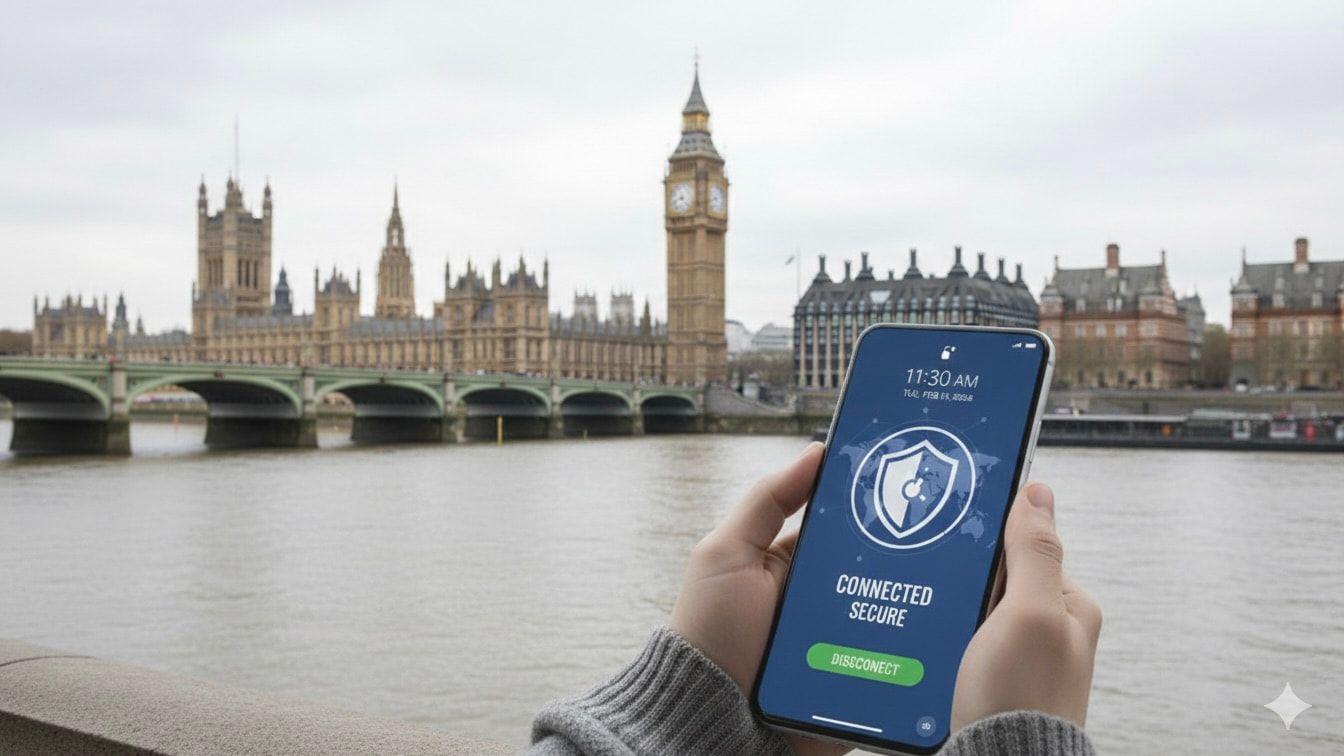
- More than 20 digital rights groups and tech companies urge UK not to restrict VPNs
- Anti-aging VPNs would undermine the online privacy of millions of people, they warn.
- Signatories believe VPN restrictions are ineffective and technically infeasible
The ongoing debate within the UK government over strengthening online safety rules to protect children has sparked strong reactions from the global cybersecurity industry.
On July 9, a coalition of 24 major digital rights organizations and leading VPN providers, including Amnesty International, ExpressVPN, NordVPN, Surfshark and Mozilla, issued a stern warning to the UK government: leave VPNs alone.
In an open letter to Secretary of State for Science, Innovation and Technology Liz Kendall, the group stressed that while keeping children safe is a shared goal, it must not come at the cost of destroying the fundamental privacy infrastructure of the Internet.
As lawmakers weigh potential restrictions ahead of a planned online safety consultation update this month, the stakes for your digital privacy have never been higher.
If you currently use the best VPN to protect your personal data on public Wi-Fi networks or secure your connection when working remotely, new regulations could fundamentally change how these tools work. Any move to force VPN providers to verify the age of their users would require you to provide sensitive personal data, destroying the anonymity you pay to protect.
“Restricting VPNs would harm security”
The heart of the coalition’s argument is that virtual private networks (VPNs) are, above all, essential security software.
“The challenge is to ensure that measures strengthen children’s safety without weakening the privacy and security that millions of people, including children, depend on every day,” the letter explains.
Beyond ordinary consumers, the coalition notes that VPNs provide essential protection to vulnerable groups.
The open letter highlights that these tools provide a lifeline for “human rights defenders and journalists, survivors of domestic violence, the LGBTQ+ community and others at increased risk online.” As rights groups have previously pointed out, weakening this protection could constitute a gross violation of human rights.
Addressing the reality of age verification head-on, the group minced no words about the dangers of identity checks.
“Age-restricting VPNs would force everyone to disclose sensitive personal information simply to access tools designed to protect privacy,” the letter states.
A technically infeasible approach
Critics of the proposed social media ban for teenagers in the UK have repeatedly pointed out that restricting privacy tools is the wrong approach to child safety. The letter backs this up with hard data, highlighting Ofcom research which “found that only around 3% of children had used VPNs to access content aimed at older audiences”.
The coalition also points out that teens will simply find other, less technological, ways to get around the rules. “Evidence from Australia shows that children are much more likely to circumvent age checks by not being asked questions, giving false information or even drawing on a mustache,” the letter adds.
Ultimately, the cybersecurity industry warns that even if restricting privacy tools fails to protect children, it will succeed in punishing regular users. “Reliably blocking VPN traffic is technically infeasible,” the letter warns, noting that it risks blocking employers and schools off the web, while pushing ordinary citizens toward “unregulated, data-mining services that are harder to supervise, leaving them less secure.”
Rather than breaking up encrypted tools, the coalition is urging the government to focus its next policies on the root causes of online harm, suggesting investments in “strong enforcement of platform obligations, better parental controls, investments in digital literacy and obligations for security and privacy by design”.
Follow TechRadar on Google News And add us as your favorite source to get our news, reviews and expert opinions in your feeds. Make sure to click the Follow button!


