
KARACHI:
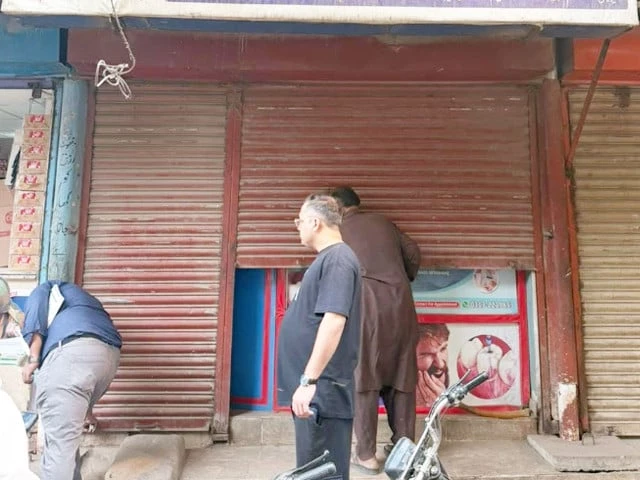
A major crackdown on the healthcare sector in Karachi has revealed a worrying picture of regulatory failures, with the Sindh Healthcare Commission (SHCC) finding that most of the 18 healthcare facilities inspected were operating without mandatory registration or lacking essential licenses. The violations, ranging from poor infection control to unsafe medical waste practices, triggered immediate action, including the closure of critical units at a large maternity ward due to risks posed to mothers and newborns.
According to the SHCC, inspection teams visited health facilities in the city’s western, southern and eastern districts, reviewing compliance with registration and licensing requirements, infection prevention and control (IPC) protocols, sterilization procedures, biomedical waste disposal, patient safety measures and other regulatory standards.
The inspections covered 18 establishments, including 10 clinics, four hospitals, two maternity wards and two primary health care centers.
The commission found that 11 of the 18 facilities were operating without registration, while five registered institutions did not possess the mandatory provisional license issued by the SHCC. Only two facilities were both registered and in possession of the required provisional license.
The SHCC has sent notices to all institutions found to be in violation, asking them to rectify the deficiencies and comply with legal requirements within seven days. He warned that failure to do so would result in further action under the Sindh Health Care Commission Act.
The most serious violations were reported at a major maternity ward in Karachi’s southern district, where inspectors identified conditions posing risks to mothers and newborns.
Accordingly, the commission ordered the immediate closure of the Neonatal Intensive Care Unit (NICU), Operating Theater and Central Sterile Supply Department (CSSD) until the deficiencies are corrected.
Overall, the SHCC decided to initiate formal enforcement proceedings against two maternity hospitals, a hospital and a primary health care center for what it described as serious regulatory violations.
Inspectors also identified deficiencies at several facilities in the safe disposal of medical waste, handling of used syringes and other biomedical waste, sterilization procedures and infection control practices, describing these deficiencies as a significant public health problem.
A SHCC spokesperson said the commission would continue to take indiscriminate action against healthcare providers who endanger patients’ lives, provide substandard services or violate regulatory requirements.
“The commission will not compromise on safe injection practices, effective sterilization, infection prevention and control, or proper disposal of medical waste,” the spokesperson said.
The commission added that the special inspection campaign would continue across Sindh to ensure that all health facilities adhere to prescribed medical and legal standards and provide safe, quality and accountable health services to the public.


