
- Flock abandons its “human distress detection” feature project
- It had already been deployed in the form of a small test
- Consumer groups say it’s evidence of company ‘mission drift’
It’s fair to say that Flock isn’t the most popular tech company right now, with major consumer concerns over surveillance and privacy surrounding its popular license plate cameras – but it has at least now removed one of its most controversial features.
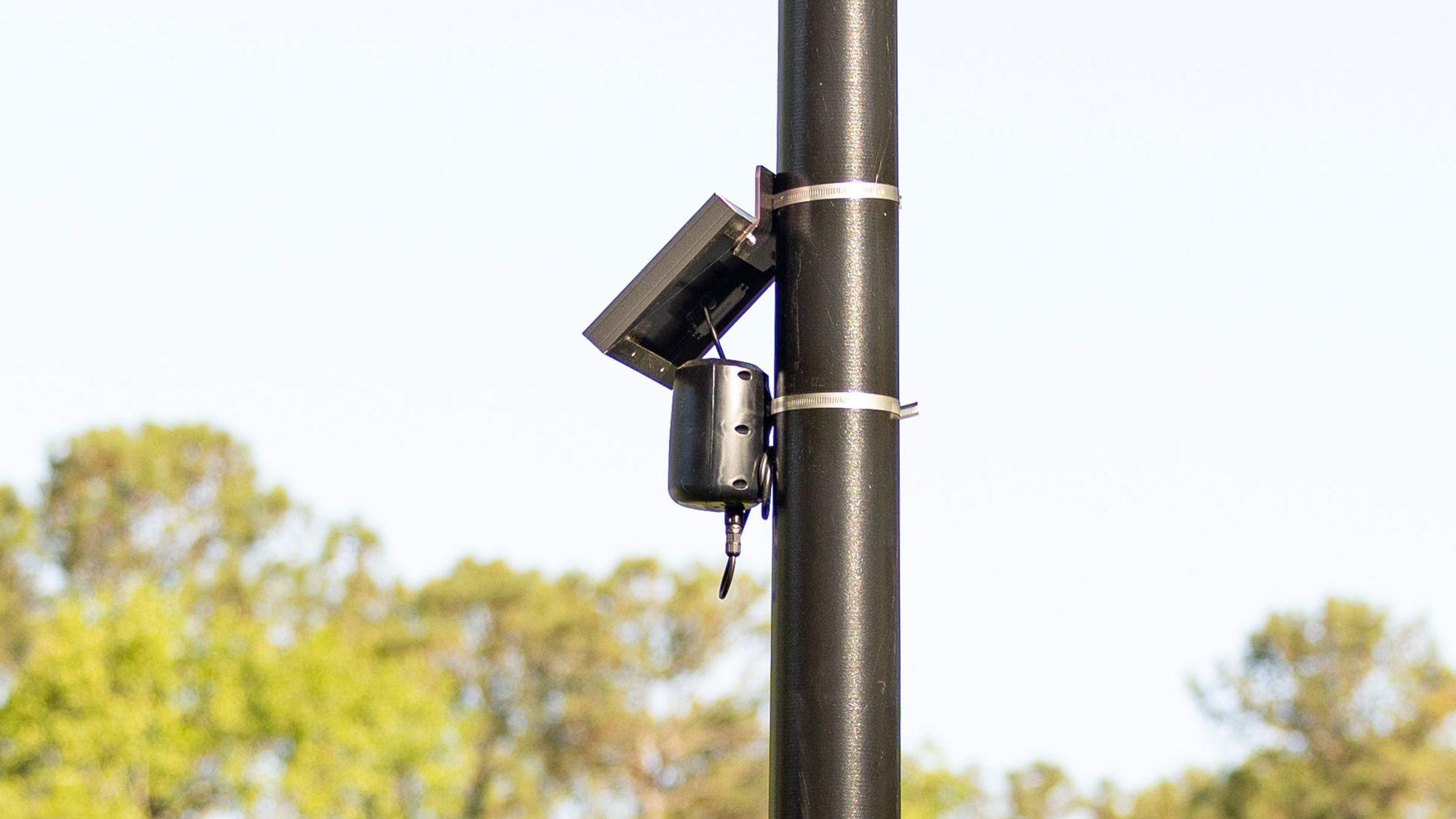
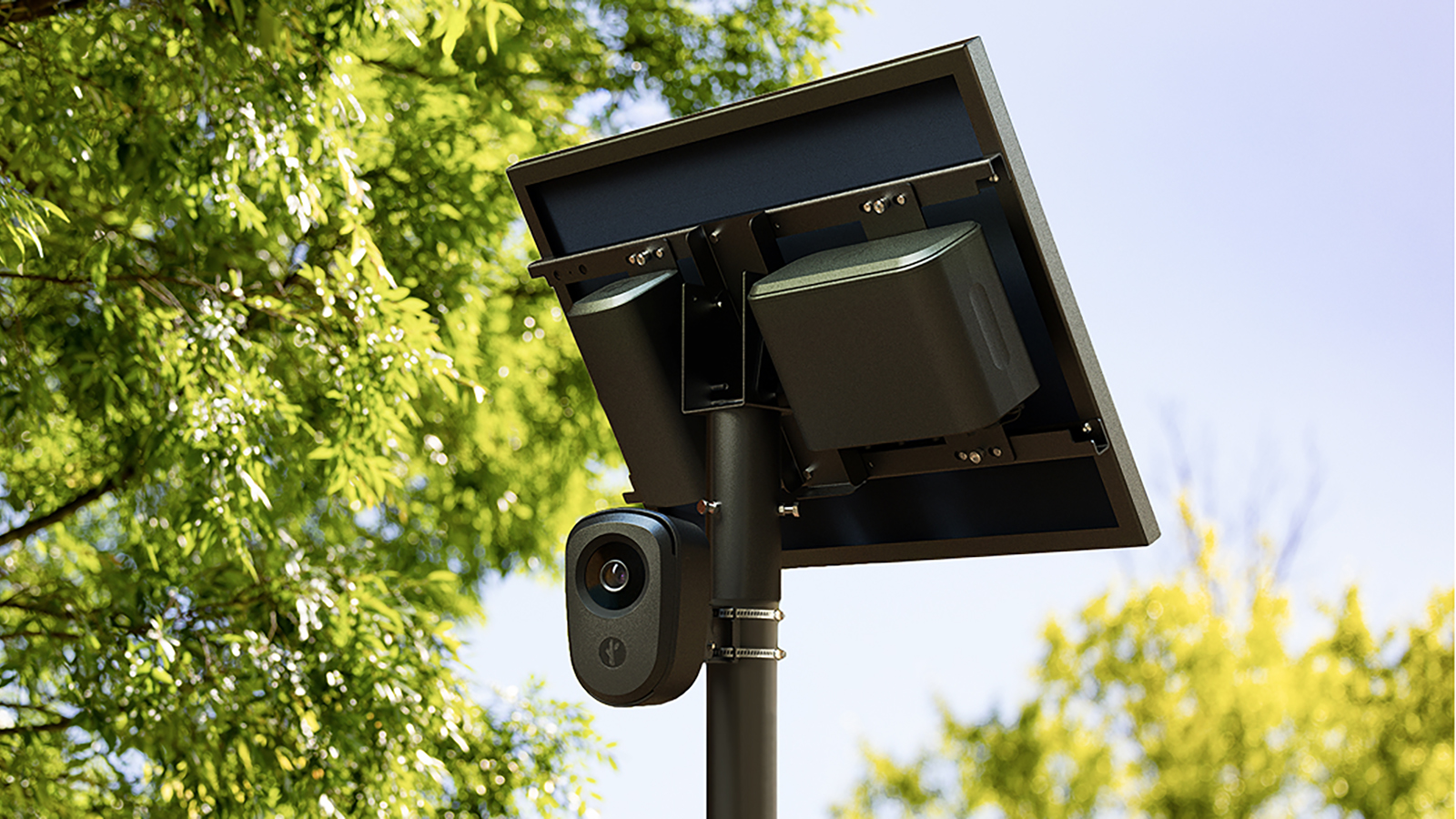
This feature is “human distress detection”, which was recently tested on a small scale and used Flock’s network of urban acoustic detectors to listen for human screams and panic. If these sounds were detected, the police would then be alerted, which could give law enforcement a head start in responding to an incident.
After “careful review and community consultation,” Flock says it is now removing the human detection element. The acoustic detectors remain in place and continue to listen for sounds, including gunshots and vehicle crashes, but the experiment on the human distress element has ended and will not be deployed on a larger scale.

In a detailed defense of its technology, Flock claims that “the system cannot understand speech, analyze language, or identify voices.” Audio is not recorded by default, but a continuous five-second window is processed at all times. If a matching event is detected, the clip is processed, encrypted and stored.
A “victory” for activists
Consumer rights and privacy groups welcome the decision. The Electronic Frontier Foundation (EFF) said the decision was a “win” for activists, although the organization still has many concerns about existing shooting and crash technology for which microphones are still installed.
“The gunshot detection microphones ultimately used to listen for screams are exactly the type of mission creep we’ve seen happen with other surveillance technologies, including Flock’s license plate readers,” says Matthew Guariglia, senior policy analyst at the EFF.
The online reaction to the removed feature is less triumphant: most commenters simply don’t believe that Flock will limit these acoustic detectors as it claims. “I don’t believe it for a second,” is a Reddit response typical of the general sentiment, amid ongoing privacy concerns.
What doesn’t help Flock’s reputation is that its representatives have apparently lied before about what its devices can do and what data it collects, making it difficult for citizens to fully trust its privacy stances, even if this latest move appears to be a victory.

Follow TechRadar on Google News And add us as your favorite source to get our news, reviews and expert opinions in your feeds.

The best laptops for every budget


