
- HTC explores 6g laptops with Mediatek and Intel
- Vive Mars improves virtual production with real -time AI interactions
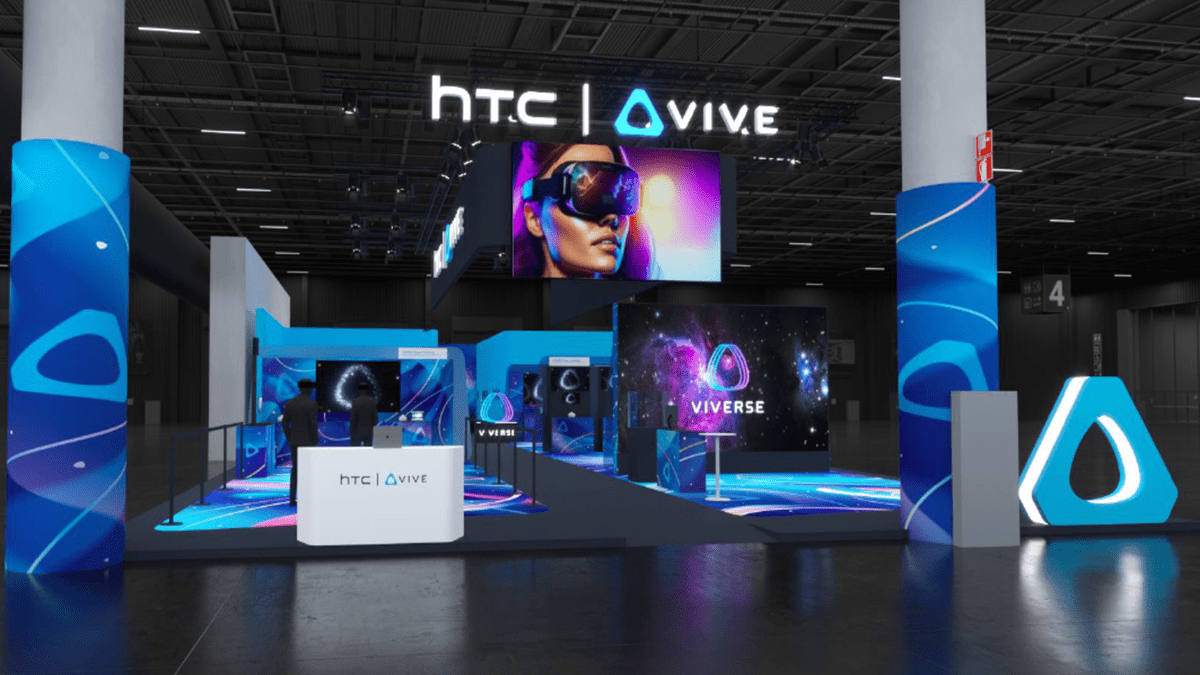
- MWC participants are experiencing virtual production powered by HTC in AI of first hand
HTC Vive has released its application to help stimulate the space IT industry with a number of new AI developments.
Although HTC no longer focuses on Microsoft’s Hololes, it continues to develop business-oriented technologies, including updates to its viven platform, virtual production tools and private network solutions, presented at MWC 2025.
Viverse, a space computer platform, now offers AI tools that allow users to create interactive virtual environments without programming knowledge.
IA -centered improvements in virtual production
HTC also provides new capacities from AI to Vive Mars, its virtual production solution used in commercial projects such as advertisements and clips. These features allow real -time interaction with digital environments, which makes cinema creation and the creation of more dynamic content.
HTC aims to make professional quality cinema tools more accessible, but beyond immersive experiences, the company also aims to advance network technology, because its G Reigns division has private 5G developments and a concept for a 4G portable network.
In collaboration with Mediatek and Intel, HTC explores the means to optimize network performance for AI applications, autonomous systems and industrial automation.
6g and beyond
The 6G concept uses a “Cloud on -board” approach, unloading heavy calculation tasks of devices to the distributed network infrastructure. This reduces latency and improves efficiency, in particular for applications such as generative AI and processing of confidentiality data.
HTC works with Nissan to deploy a private 5G network and a VR Cloud Edge solution for industrial design. This configuration allows high speed and low -time collaboration in real time, helping the design teams to work with precision in a secure VR environment.
In cultural and educational applications, HTC joins forces with Château de Versailles to create immersive historical experiences. An interactive exhibition at MWC will explore the world of Antoni Gaudí, demonstrating how virtual reality can give life to artistic movements and historical personalities.
Meanwhile, platforms like Expurio allow large-scale VR experiences, allowing several users to simultaneously explore different virtual environments.
“The AI opens up new ways to people and businesses to release their imagination and improve life,” said dear Wang, co-founder and president of HTC.
“We dream of a world where technology is open, connected and intelligent. At HTC Vive, we believe that AI must be used in a responsibility, with private life and safety in the foreground so that people have security and peace of mind. AI should solve problems and help people, and not replace them – and in this way, technology can raise humanity.”


