
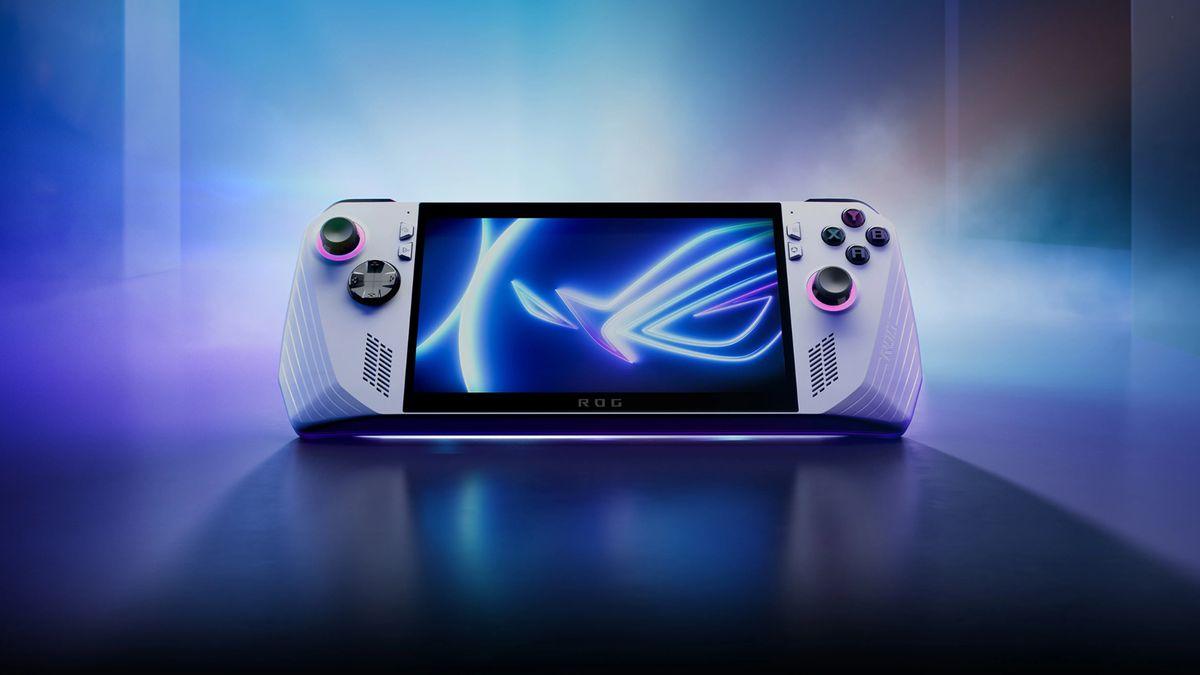
- AMD finally introduced AFMF 2.1 in its new update of the FSR 4 driver
- Its compatible with the GPUs of DNA 4, 3 and 2, including the Ryzen AI 300 Series processors
- Image performance and stability in games on the ASUS ROG ally are improved using AFMF 2.1
AMD DNA 4 GPUs are finally there, with a new pilot that adds FSR 4 management, but that’s not all – portable play PCs and RDNA 3 and 2 GPU users will have a new improved tip in their sleeves to improve performance in games.
As detailed in the AMD adrenalin publishing notes, AFMF 2.1 is now available in the 25.3.1 driver for GPUs in the Radeon RX 6000, 7000 and 9070 series, including the processors of the Ryzen AI 300 series from Team Red. This is a function of generation of frame based on the pilot (similar to the new Smooth Motion movement of Nvidia) which allows players to force the generation of frame in games which do not have the official implementation of developers.
AFMF 2.1 is designed to improve the quality of the image generation of the frame as well as the reduction of ghosts and better time monitoring – the use of AFMF 1 and 2 on portable devices like the Asus Rog Ally was not an easy -to -live experience since ghosts, stuttering and poor image quality were current complaints of people who used it.
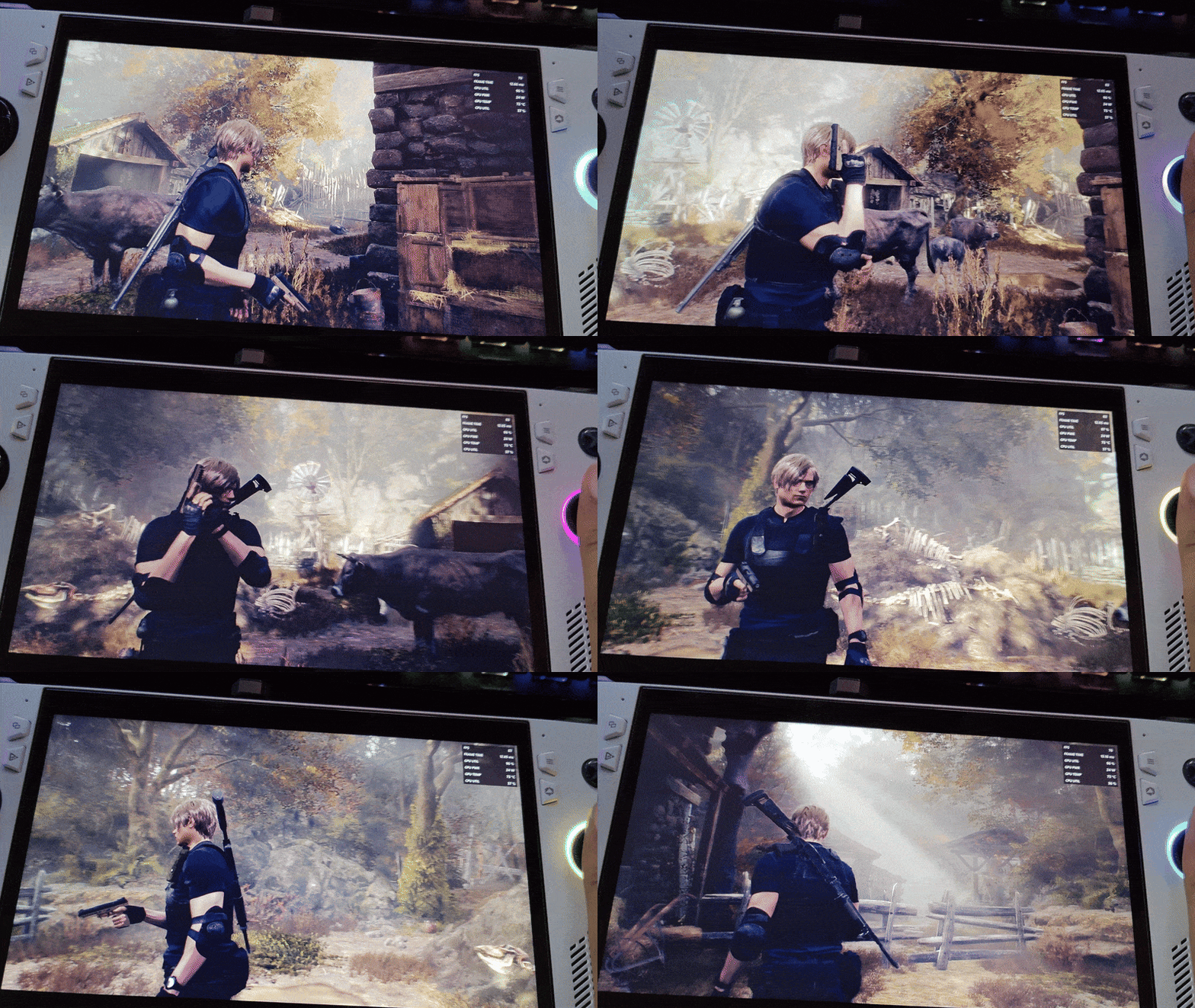
On the basis of some of my first impressions, AFMF 2.1 is a good step in its predecessor, providing a cleaner image in motion and reducing ghosts to a significant measure – this was obvious in my tests Sifif And Resident Evil 4 (Photo below), two games that have already had trouble when using AFMF with ghosts and constant weft drums.
Fortunately, these problems were minimized, because the non-stop action in the title of Capcom is not interrupted by regular time peaks (which occurred even when they are inactive) allowing an experience of the much more fluid workforce-and it is an excellent sign for other games which have already fought with software of generation of frames on portable games.
Picture 1 of 2
Now we just need FSR 4 to come to DNA 3 …
I know that FSR 4 is currently exclusive to the new RADEON RX 9070 series from Team Red, but if the new scaling technology can find its way on RDNA 3 equipment, portable players are at the treat.
We have seen how much FSR 4 is close to Dlss 4 of Nvidia and its new model of transformer – although it does not defeat it or corresponds to it, it managed to overthrow the CNN model of its ferocious rivals, with greater image stability (especially in motion). AFMF 2.1 impressed me and gave me another reason to keep my ally Rog (at least for the moment), and any addition of FSR 4 will probably be a showstopper.
Its performance mode is an excellent example of significant improvements, which reminded me of how the performance mode of DLSS 4 looks like how it would work on a portable game PC is the exploitation of dreams for me.
The only Forte AMD competition has to produce tokens for pocket computers is Intel – while the Ultra Core 7 258V processor of MSI Claw 8 AI + is more powerful than the Z1 Extreme, the current version of XESS (Tech of Intel scaling) probably cannot correspond to the FSR 4. In my opinion, the new method of scaling the team is hand in the workforce of Rog Ally – can be done …


