
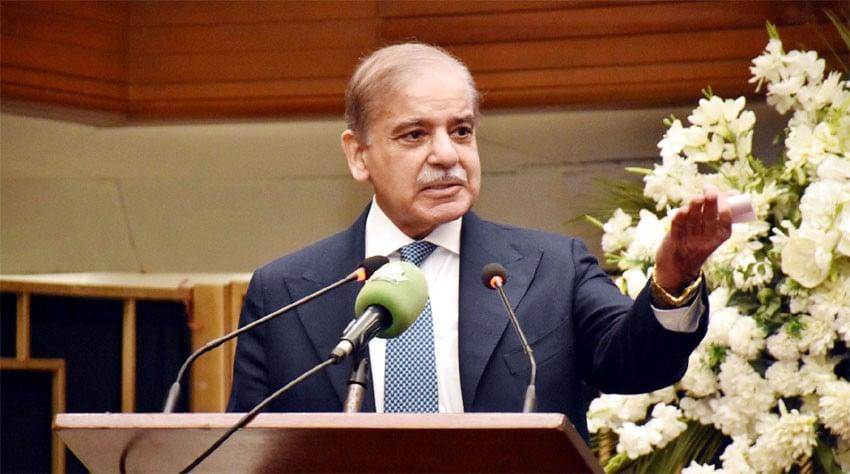
Prime Minister Shehbaz Sharif reaffirmed his government on Monday to ensure quality health establishments for all citizens, in particular mothers and newborns.
Marking World Health Day 2025, the Prime Minister said that this year’s world theme – “healthy beginnings, hopeful future” – reflects the critical need to prioritize the health of babies from the birth and well -being of mothers.
In a press release published by his office, Shehbaz has recognized the progress made by Pakistan in improving maternal and child health, but admitted that important gaps remain.
“There is still a long journey to come,” he said. “We must further develop our health system to deal with medical and social challenges that affect maternity and neonatal health.”
The Prime Minister underlined the need for a global approach to health care reform, which incorporates technological innovation, public-private partnerships and investment in education, nutrition and the environment.
“Our government is committed to using modern technology and establishing solid partnerships to improve public health infrastructure,” he said.
He also called for a multisectoral strategy to solve wider problems affecting health results. “Repeat the need for a coordinated and practical approach between health care, education, nutrition and environmental management,” he urged.
World Health Day 2025 is also launching a one-year campaign led by the World Health Organization (WHO) to end maternal and newborns who can improve long-term well-being for women and families.
The WHO campaign highlights alarmed global figures – nearly 300,000 women die from pregnancy causes each year, while more than 2 million newborns die during their first month of life, and 2 million people died. This is equivalent to preventable death every seven seconds.
According to current trends, four out of five countries are off-track to achieve the UN objectives in 2030 for the reduction of maternal deaths, and one in three is planned to miss newborn health objectives.
The campaign urges governments to strengthen health systems not only to combat direct obstetric complications, but also non -transmitted diseases, mental health problems and the need for family planning services.
He also calls policies that support women’s rights, reproductive health and emotional well-being, as well as better working conditions for midwives, nurses and front-line workers.
Meanwhile, United Nations agencies have warned that reductions in international aid budgets threaten to reversed decades of progress in reducing maternal deaths, which leads to an increase in avoidable deaths during pregnancy and childbirth.
The warning coincided with the publication of a new United Nations report for World Health Day, which highlighted a 40% drop in maternal mortality between 2000 and 2023, thanks to better access to essential health services. However, officials now say that the momentum is in danger.
According to the report, the trends in maternal mortality, around 260,000 women died in 2023 pregnancy or delivery complications, which was died every two minutes.


