
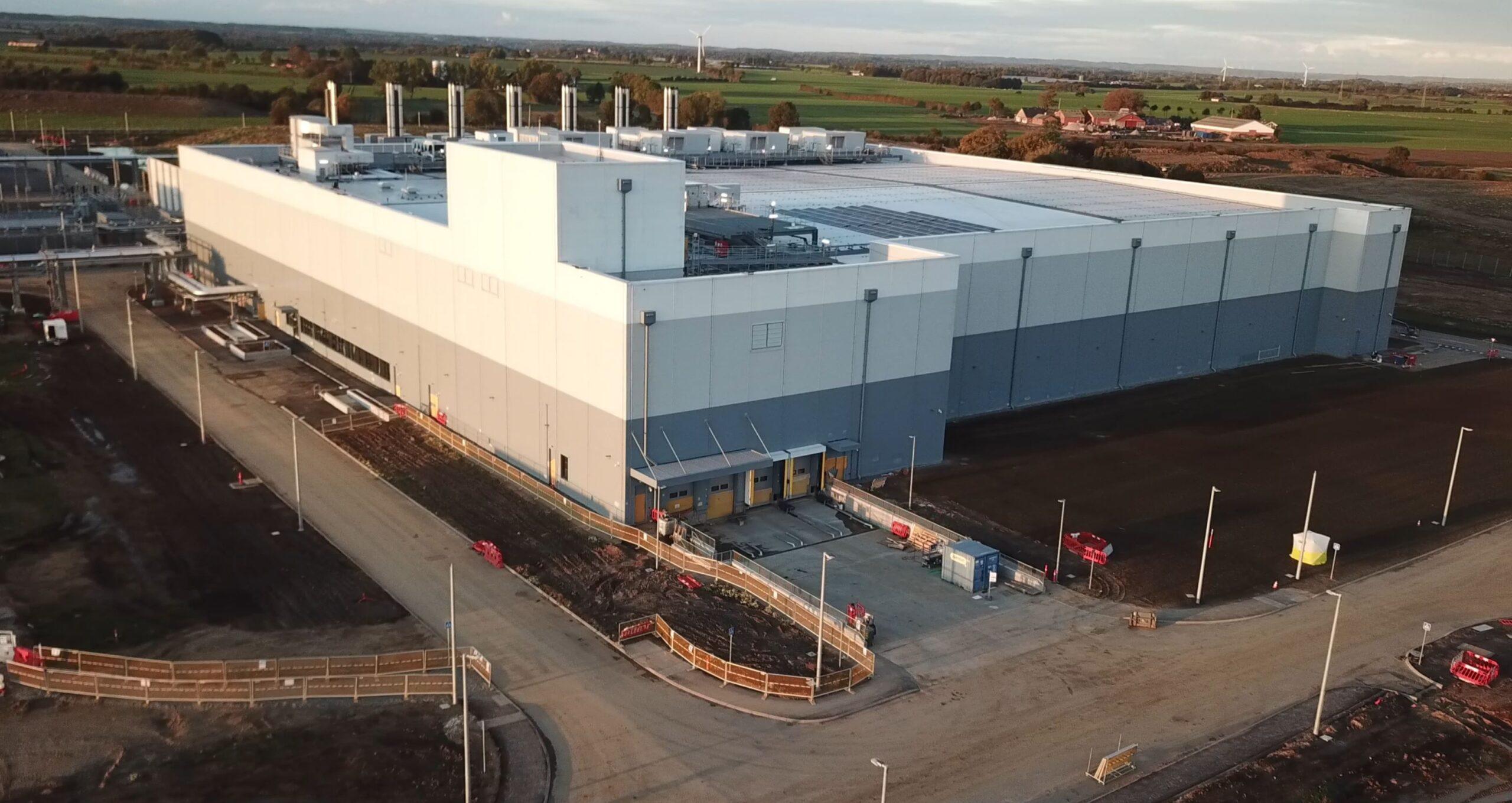
- Google says that it will spend 3 billion sterling pounds over 670 mW in PPA hydroelectricity
- The agreement could eventually produce up to 3,000 MW of hydroelectricity
- Google Data Center energy consumption increased by 27%, emissions are down 12%
Google has agreed to spend at least $ 3 billion as part of an agreement to increase its renewable energy portfolio, requests increasing in accordance with the demand for artificial intelligence and cloud computing.
The agreement with Brookfield Renewable Energy Partners includes 20 -year -old electricity purchase agreements for 670 clean energy megawatts via two Pennsylvania hydroelectric factories in Holtwood and Safe Harbor.
Although Google has subjected renewable energies in recent years, this marks the largest energy agreement on the world for hydroelectricity.
Google concludes the largest corporate hydroelectricity agreement
Already a considerable starting point, Brookfield noted that the hydroelectric framework agreement will support the supply of up to 3,000 megawatts of carbon-free hydroelectric capacity in the United States.
This decision is aligned with Google’s efforts to fuel its carbon -free energy -free energy centers 24 hours a day, and is presented at an increased era of increased green energy investments. Hyperscalers like Amazon, Meta and Microsoft have also made follies on nuclear, gas and renewable energies to meet demand.
“Hydroelectricity is a proven and low cost technology, offering interior and carbon -free electricity and carbon -free that creates jobs and built a stronger grid for all,” said the Google manager of the Amanda Peterson Corio data center.
Brookfield Asset Management President Connor Teskey praised the investment, noting that hyperscalers will have to diversify their energy production to meet large -scale demand.
Although IA and Cloud Computing overvoltages have led to a higher demand for data centers, the most recent report on the durability of Google 2025 revealed how the company managed to reduce the 12% data centers emissions despite a 27% increase in energy consumption. During its last year, the company bought more than eight clean energy gigawatts.
Improvements of energy efficiency to its AI systems, including powerful GPUs, have also led to a reduction in water consumption, generally used for cooling. However, having reconstituted only 64% of the water it used in 2025, there is still a long way to go.


