
AMD has seen its Instinct GPUs continue to gain traction in an increasingly competitive market, as it continues to take data center market share from new and existing players and score victories with gaming-focused processors in the mainstream market.
Its most recent acquisition of MEXT, an AI-focused startup currently rolling out software that allows users to treat NAND flash memory like DRAM at the operating system level.
AMD calls Santa Clara-based MEXT a “pioneer in AI-based memory optimization technology.”

SSD to DRAM storage for data centers?
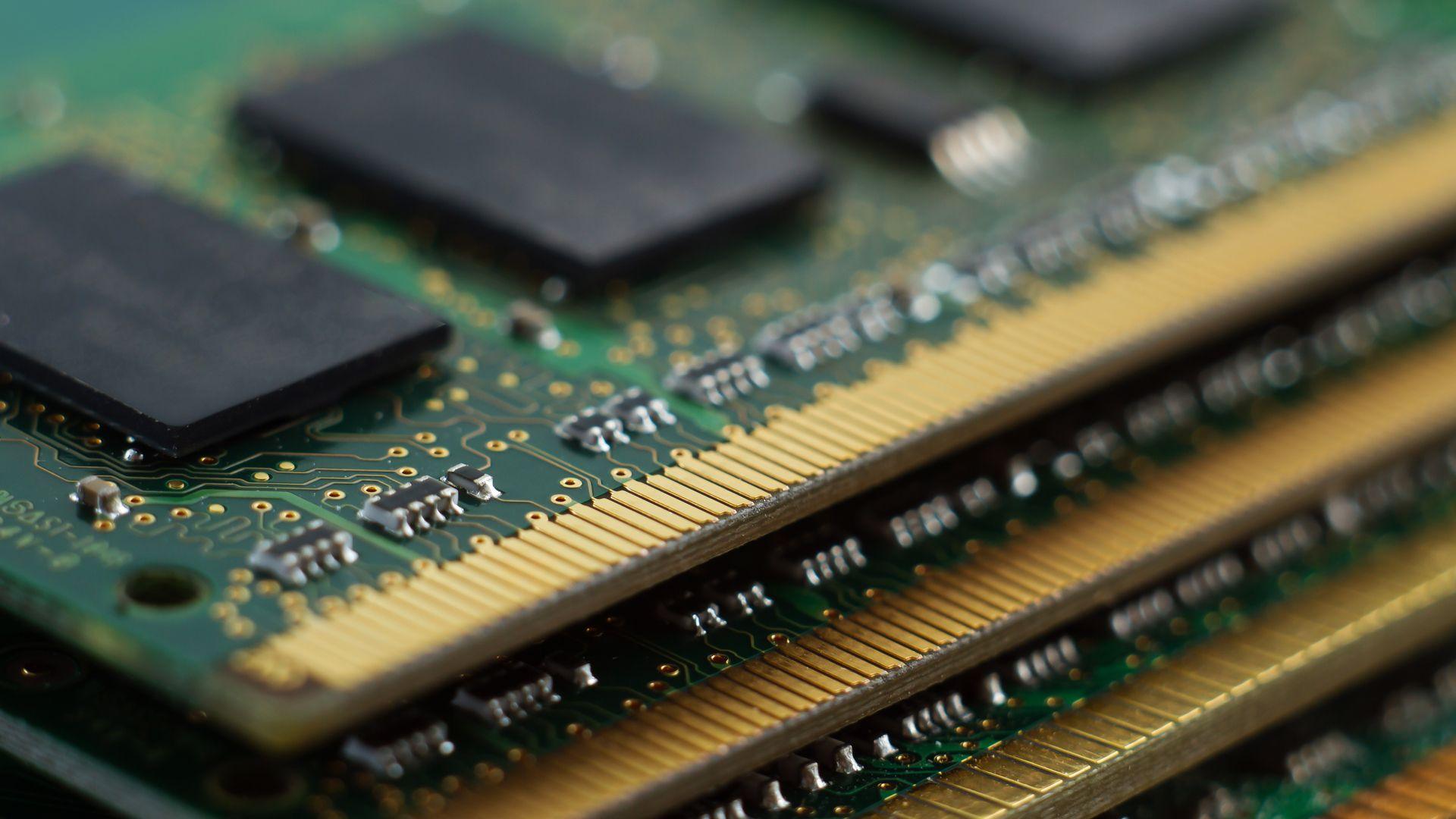
The idea behind MEXT is not new, but it appears to have been significantly refined, making it an important acquisition at a time when hyperscalers continue to struggle with limited DRAM availability, even as an even worse SSD crisis appears to be on the horizon.
MEXT’s Predictive Memory is essentially a prioritization engine that monitors which memory pages applications tend to access, treating regularly accessed sections as “hot” working sets kept in DRAM while offloading “cold” or less frequently accessed sections to SSDs.
This allows for a much lower performance lag than using all flash as DRAM, the latter being an order of magnitude faster to access, although speed is becoming a determining factor for newer chips that are increasingly tied to memory.
There’s also a significant economic factor at play here: DRAM is nearly 50 times more expensive than corresponding NAND flash, making cost and scalability key considerations for most data centers looking to avoid an already expensive DRAM market that will only get worse over time.
The move itself isn’t AMD’s first foray into the storage segment, with its consumer-focused StoreMi offering essentially allowing a faster SSD to function as a cache, compensating for slower drives on its system by essentially creating a copy of files that regularly need to be loaded or accessed on the fastest possible storage solution.
Its lesser-known (and since discontinued) Radeon RAMdisk offering allows users to do the exact opposite of what MEXT offers: create a very fast virtual disk on existing system memory. although enthusiasts have replicated the idea on AMD’s ultra-fast 3D V-Cache technology.
Buying AMD makes sense given the expected depth of its hardware in data centers over the next decade, and one could argue that the MEXT team, which offers expertise in AI infrastructure and memory systems, could be a much more prized acquisition than the underlying technology it offers.
AI and chip talent have become increasingly difficult to attract, with companies splurging to attract some of the biggest names in both segments, and the acquisition of MEXT could help both AMD’s short- and long-term goals in the data center segment.

Follow TechRadar on Google News And add us as your favorite source to get our news, reviews and expert opinions in your feeds.


