
Afghan forces target civilian populations in six separate incidents and destroy eight residential homes
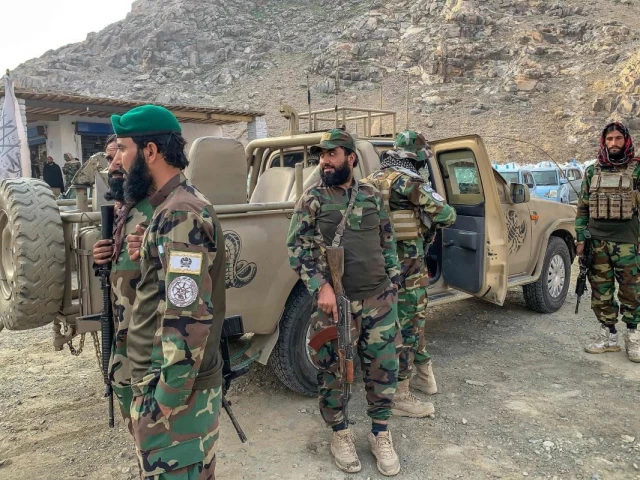
Taliban security personnel stand guard near the Torkham border crossing between Afghanistan and Pakistan in Nangarhar province February 27, 2026. Pakistan bombed major cities in Afghanistan, including the capital Kabul, on February 27. PHOTO: AFP
At least nine civilians were injured and 12 others were injured in unprovoked cross-border firing and shelling by Afghan forces over the past two months in Bajaur district of Khyber-Pakhtunkhwa state, local authorities confirmed on Thursday.
According to official figures released by Bajaur Deputy Commissioner Shahid Ali Khan, the majority of victims were women and children. The attacks took place in the Mamond and Salarzai areas of the district in March and April.
A press release from the district administration detailed six separate incidents in which Afghan forces deliberately targeted civilian populations in the Laghari Mamond and Taripa Shah Salarzai areas. The cross-border aggression also destroyed eight residential houses.
سول آبادی پے فائرنگ میں شہید اور زخمی ہونے والوں کے ناموں کی فہرست جاری کر دی۔ تفصیلات کے دوران افغانستان کی جانب سے باجوڑ کے مختلف سرحدی علاقوں، بالخصوص ماموند اور سلارزئی میں مارٹر گولے فائر کیے… pic.twitter.com/f2TcZcKFxA
– PTV News (@PTVNewsOfficial) April 30, 2026
Read: Eight civilians injured in cross-border shelling in South Waziristan: DC
In response, the Bajaur district administration and security forces launched prompt and effective actions. The affected families were provided with immediate relief and the injured were given emergency medical aid before being transferred to Peshawar for advanced treatment.
The authorities have also initiated steps for the reconstruction of damaged houses, with compensation for destroyed properties, the injured and the families of the martyrs to be granted soon.
Residents expressed their grief and anger at the aggression of Afghan forces. On April 16, a strong protest was organized by tribal elders, youth and people of all schools of thought, condemning the targeting of innocent civilians and demanding an immediate end to what they called irresponsible actions by Afghan forces.
The district administration and security forces continue to closely monitor the situation and have reiterated their commitment to take all possible measures to protect the lives and property of the people.
The statement was issued hours after the Deputy Commissioner of Lower South Waziristan said eight civilians, including women and children, were seriously injured after cross-border firing and shelling hit Angoor Adda area of South Waziristan on April 26 and 29.
The official statement said the bombings caused significant damage to civilian property, with several houses destroyed in the affected area.
On Tuesday, security forces carried out retaliatory strikes on key sites, including the Ariana complex, Dabgai checkpoint, police headquarters and Zakarkhel post, which were destroyed.
These incidents marked a new episode of cross-border aggression after a hiatus of more than a month, following Operation Ghazab Lil Haq, launched in response to unprovoked hostility from the Afghan side.
Operation Ghazab Lil Haq was launched towards the end of February following renewed clashes along the Pakistan-Afghanistan border, after Afghan Taliban forces fired on several sites, provoking rapid military retaliation from Pakistan.
Since then, neighboring countries have engaged in an escalation of hostilities along the border. The clashes intensified after Afghanistan launched a border offensive in response to Pakistani airstrikes targeting terrorist positions and eased during a temporary ceasefire to mark Eidul Fitr.
Read also: Five injured in Afghan cross-border bombing
The escalation of tensions between the two countries follows a series of retaliatory actions over the past year.
Pakistan had earlier carried out airstrikes against camps in the TTP and Islamic State’s Khorasan province in Afghanistan after a wave of attacks, including a suicide bombing in Islamabad.
Islamabad has long maintained that TTP leaders operate from Afghan territory, an allegation that Kabul has repeatedly denied.
Tensions also increased after a series of explosions in Kabul on October 9 last year. Taliban forces then targeted areas along the Pakistani border, prompting Islamabad to respond with cross-border bombings.
The exchanges caused casualties and damage to infrastructure on both sides and led to the suspension of trade after the border crossings closed on October 12, 2025.


