
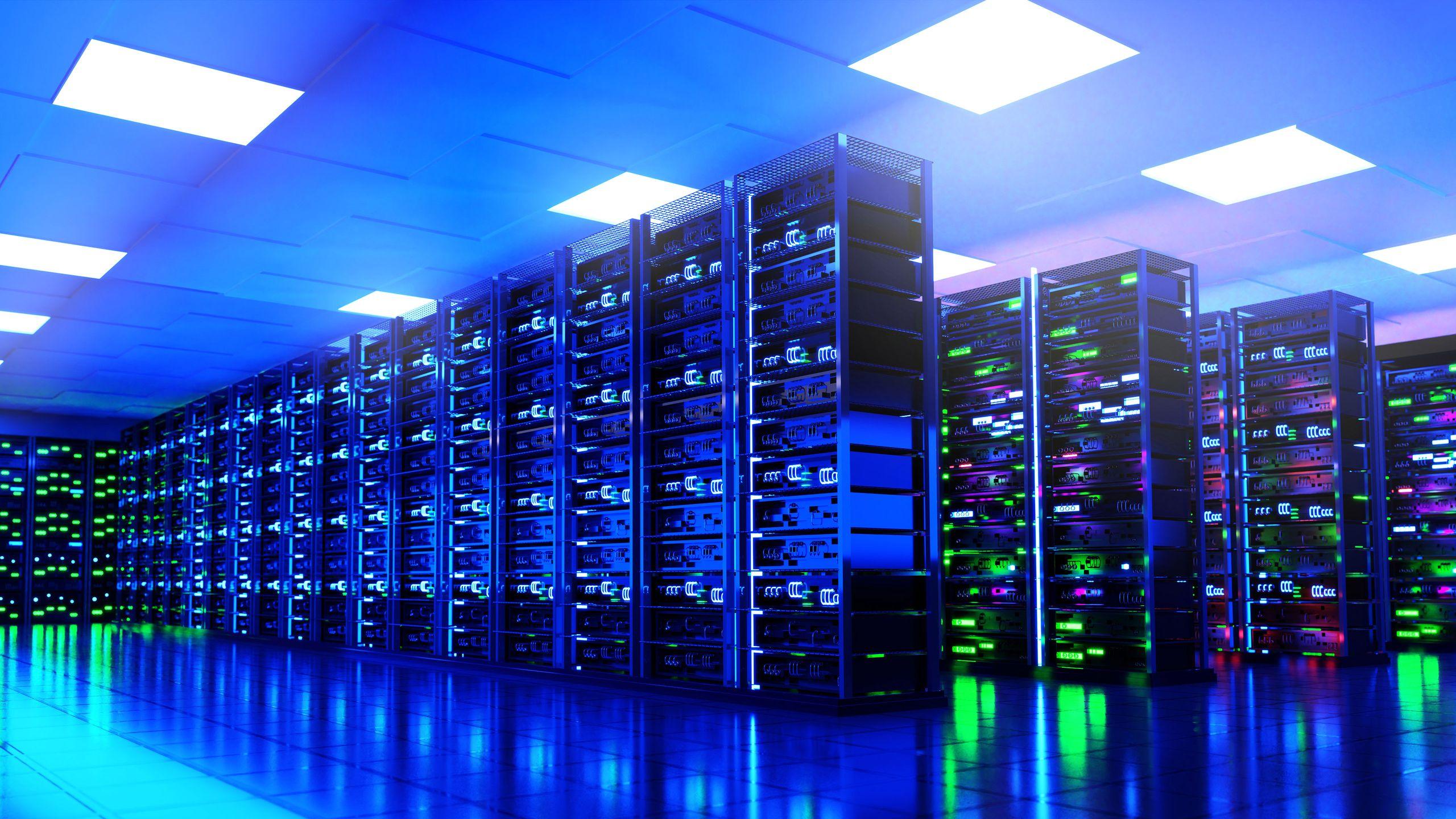
- Power consumption of AI data centers will soon exceed consumption of conventional data centers
- Global data center power consumption has increased by 26% since 2025
- In the United States, AI data centers account for 36% of total data center power consumption
Data centers built to add capacity for AI will soon consume more energy than conventional data center hardware. Consuming 175 terawatt hours (TWh) in 2026, forecasts increase this to 258 TWh in 2027 – at which point AI-powered data centers will surpass conventional data centers in consumption.
Compared to 2025, the power consumption of AI data centers has increased by approximately 84%. These are the findings of a Gartner forecast which also predicts that AI-optimized servers will account for 31% of data center power consumption in 2026.
This level of consumption, combined with excess electricity demand relative to production, will be the main constraint to the future development of AI, Gartner predicts. But overall data center consumption is expected to reach 565 TWh in 2026, an increase of 26% year-on-year.

Consumption increases, but capacity is slow to develop
When it comes to global consumption, the United States accounts for 36%, or approximately 204 TWh, of the 565 TWh of global demand. In this segment of American demand, AI data centers represent a third, with consumption forecast for 2026 around 68 TWh.
“The growing demand for compute-intensive AI workloads is driving unprecedented growth in data center power, while AI capacity is now limited by power availability, making data center power security the new battleground to increase and protect margins in the global AI race,” said Linglan Wang, direct analyst at Gartner.
By 2030, Garter predicts that supply will no longer be able to meet demand once consumption exceeds the 1,200 TWh mark.
To address this constraint, Wang suggested that business leaders and infrastructure providers should focus on improving the efficiency of power grids and hardware that consumes the most energy, such as cooling systems.
A recent Google Cloud report further suggests that to cope with the increasing cost of energy consumption, businesses should shift from running AI models on a centralized cloud to edge deployments, where the efficiency of these systems is increased with the added benefit of avoiding a global outage of services in the event of a centralized cloud system failure.
But these levels of increased consumption will do little to quell growing anti-data center sentiment in the United States, which, combined with hardware and power generation shortages, has seen nearly half of all data centers in 2026 delayed or canceled.
Via Tom’s material

Follow TechRadar on Google News And add us as your favorite source to get our news, reviews and expert opinions in your feeds.


