
- Oregon Volcanic Sediments May Hold One of the Largest Lithium Reserves Ever Discovered in America
- Residents fear mining expansion could permanently damage fragile desert wildlife habitats nearby
- Mining companies want to drill hundreds of wells in Oregon’s isolated high deserts.
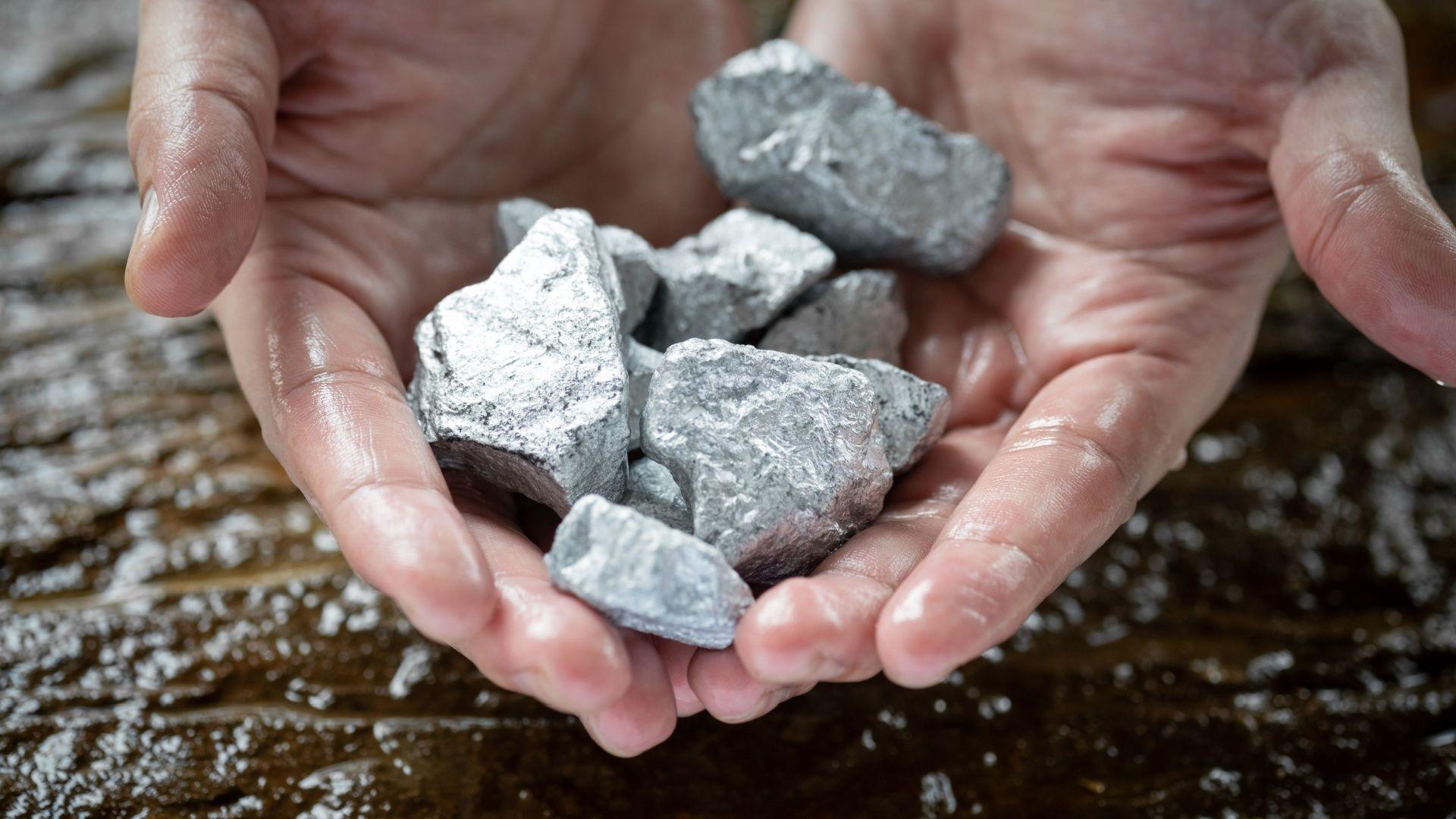
Geologists have identified what may be one of the largest lithium deposits ever discovered in the United States beneath Oregon’s McDermitt Caldera.
Reports claim that ancient volcanic sediments could contain between 20 and 40 million tons of lithium, with an estimated value of around $1.5 trillion.
The discovery could significantly boost the U.S. domestic supply of the metal critical to building smartphones, electric vehicle batteries and renewable energy storage systems.

Lithium is important to the US manufacturing industry
Global demand for lithium has soared due to the rapid transition to cleaner transportation and renewable energy storage, and the metal’s light weight and excellent electrochemical properties make it irreplaceable in modern battery production for now.
A domestic source would reduce U.S. reliance on foreign supply chains, which could reduce geopolitical risks and trade vulnerabilities.
Malheur County is among Oregon’s poorest areas, and some residents hope new mining jobs could improve the area’s economic prospects.
“This formation is 16 million years old and we make decisions in a matter of years,” said Sammy Castonguay, a geologist at Treasure Valley Community College.
His statement sparked local debate over how quickly development could reshape the fragile high desert ecosystem, as the region is home to pronghorn, sage grouse and other sensitive species that could be displaced by large-scale mining operations.
The Oregon chapter of the Sierra Club supports cleaner energy but believes drilling should not come at the expense of fragile habitats.
Economic and environmental tensions
Proposals from mining companies aim to add roads and hundreds of wells to test lithium in Malheur County.
The Bureau of Land Management once offered a brief public comment window, drawing criticism from groups who said it wasn’t enough time.
Tribal leaders have challenged previous proposals by designating sites sacred for ceremonies and important to traditional ways of life.
“We need to do it the Oregon way – with full responsibility and shared benefits,” said Greg Smith, Malheur County economic development director.
Lithium is locked in rich volcanic sediments, which have been weathered into lithium-rich clay.
Unfortunately, processing clay can require complex techniques, including acid leaching, which raises questions about waste disposal and water safety.
Local communities want to make sure they aren’t left with an environmental mess once the initial enthusiasm has faded.
Debate often centers on water requirements for drilling and processing, as previous drilling in high desert regions has shown that water tables can be affected by large-scale operations.
Scientists believe there are better ways to source the metal without destroying fragile desert ecosystems.
Supporters argue that these lithium-rich clays represent a crucial resource at a time when all major automakers are switching to electric models.
Disagreements need to be resolved quickly because lithium is worth $1.5 trillion, and that number won’t wait for endless community meetings.
Via Earth.com

Follow TechRadar on Google News And add us as your favorite source to get our news, reviews and expert opinions in your feeds.


