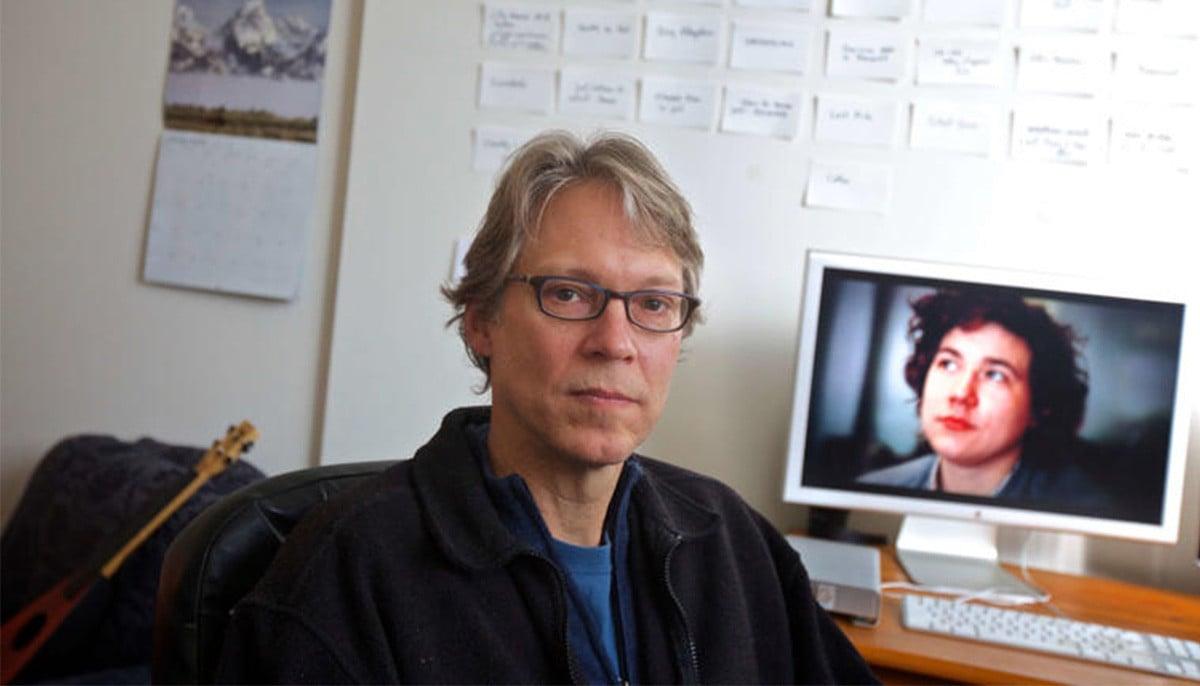
Brian Lindstrom has spent his career turning a camera on those people often neglected by society: addicts rebuilding their lives, incarcerated mothers struggling to stay connected with their children, and people living with mental illness.
His documentaries weren’t just films; they were acts of empathy, often sparking political change and reshaping public perception.
Lindstrom, who died Friday at age 65 from progressive supranuclear palsy, leaves behind a body of work defined by compassion and belief in redemption.
According to Los Angeles Time, his wife, Wild author Cheryl Strayed, announced his death, calling him “a man whose every word and deed was motivated by kindness, compassion and generosity.”
Born in Portland in 1961, Lindstrom was the first in his family to attend college and worked summers at an Alaskan salmon cannery to pay his way.
A gift certificate from a professor for a film class at the Northwest Film Center set him on a path that led him to Columbia University’s MFA program.
A childhood train ride with his grandfather, a heavy drinker treated with disdain by fellow passengers, became a metaphor for his life’s work: restoring the dignity of those society had left behind.
Finding a Normal Alien Boy: The Life and Death of James Chasse, Mothering Inside, I Am Not Untouchable. I Just Have My Period for the New York Times, are some of his notable works.
Lindstrom often said that he made films “for the people in the film” rather than for the audience.
His work has earned him the Civil Liberties Award from the ACLU of Oregon and the Distinguished Alumni Award from Lewis & Clark College.
“He erased the society X that society X imposes on people,” Strayed wrote. “He believed we were all sacred and redeemable.”