
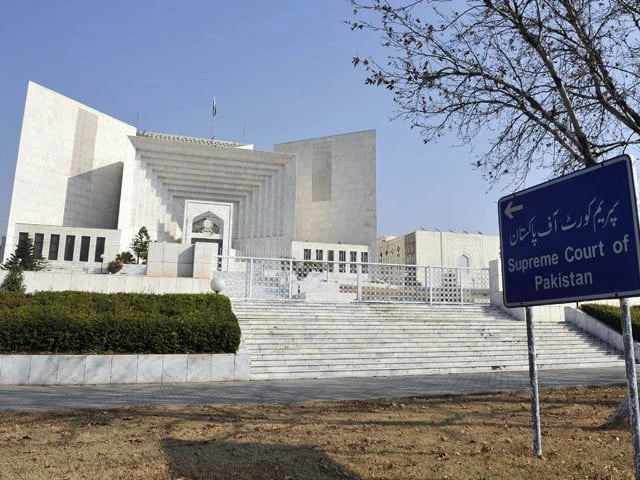
SC declares unauthorized retention of these items by husband and family illegal and recoverable
ISLAMABAD:
The Supreme Court has held that any property given to a woman at the time of marriage by her parents, relatives, husband or in-laws for her personal use and benefit belongs entirely to her and neither the husband nor his family can claim ownership of such property.
A three-member bench headed by Chief Justice of Pakistan Yahya Afridi gave the ruling while hearing a case relating to recovery of dowry items. The four-page judgment was written by Justice Shakeel Ahmad.
The court observed that the ownership of these assets is not determined by their description but by the intention behind the transfer and the bride’s exclusive right to these assets.
“Property is not determined by nomenclature but by the intention behind the transfer and the wife’s exclusive right to that transfer.
“Therefore, any unauthorized retention, deprivation or misappropriation of such property by the husband or his family amounts to unlawful deprivation of the wife’s property rights and entitles her to seek recovery thereof through legal proceedings before the competent family court,” it said.
He noted that the respondent wife had specifically claimed that her parents had gifted her gold jewelry weighing 87 tolas at the time of marriage, for her exclusive use and benefit.
Referring to the prevailing social realities, the judgment observed that jewelry and ornaments given to a bride are not mere ceremonial accessories but often serve as a source of financial security and economic autonomy for a woman getting married.
“Such property, whether described as jahez, dowry, bridal gifts or personal effects, remains the exclusive property of the bride, over which neither the husband nor the in-laws can claim dominion,” the court said.
The judgment said that the legislative framework of Section 5 of the Family Courts Act, 1964, read with the Schedule annexed to the Act, reflects a conscious and progressive recognition of the economic and property rights of women in the domestic sphere.
According to the court, the law confers exclusive jurisdiction on the family courts in matters relating to the dissolution of marriage, including khula, dowry, maintenance, custody and guardianship of children, dowry and, significantly, personal property and personal effects of a wife.
“The inclusion of ‘dowry’ and ‘property and personal effects of the wife’ as separate entries in the Schedule demonstrates the intention of the legislature to ensure effective and speedy remedies for women deprived of property which they brought into marriage or which was gifted to them during the continuance of their marriage,” the judgment said.


