
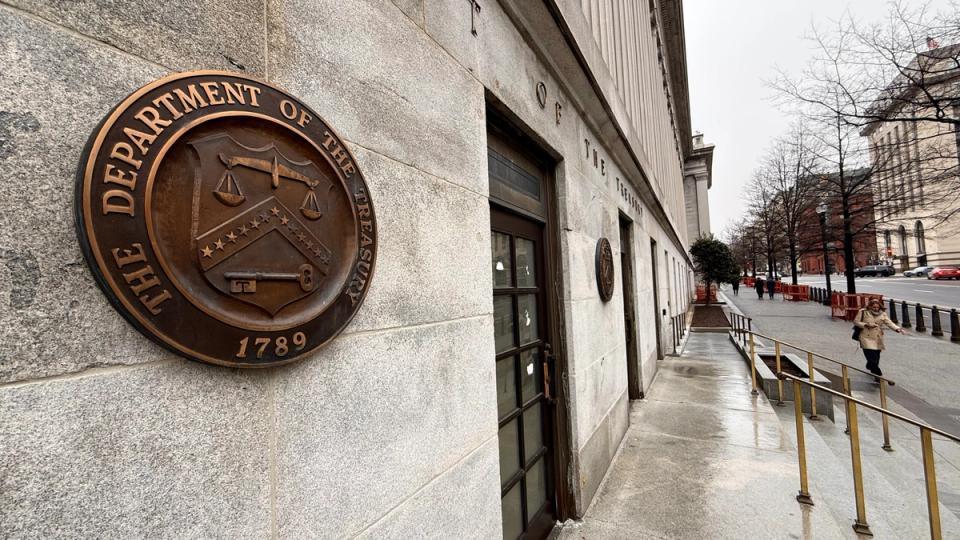
Fund manager issues stark warning: Bitcoin The ongoing sell-off could deepen as upcoming US Treasury operations are expected to drain around $150 billion of liquidity from the financial system.
“In my experience, Bitcoin tends to be a better indicator of liquidity than most other instruments. If Treasury regulations weigh on liquidity, then Bitcoin could fall much further,” said Michael Kramer, founder and CEO of Mott Capital Management, a registered investment advisory firm, in his latest market analysis note.
The U.S. Treasury regularly issues bonds and notes to finance government spending. When the Treasury sells new securities, it receives cash from investors, which is then transferred to the Treasury’s account with the Federal Reserve. All else equal, this process removes liquidity from the banking system and reduces the amount of liquidity available for other investments. These periodic settlements can create temporary but significant liquidity leaks, particularly during periods of intense issuance.
According to Kramer, Treasury operations from May 28 to June 5 could result in a liquidity drain of approximately $150 billion. This includes:
- $15 billion in Treasury bills settled Thursday
- $47 billion in coupon settlements Friday
- 68 billion dollars on Monday
- $16 billion in Treasury settlements Tuesday
- Another Treasury settlement on June 4 is estimated at between $5 billion and $15 billion.
Markets, including cryptocurrencies, tend to perform better when liquidity is abundant. When liquidity is removed from the system, even temporarily, investors often become more cautious, reducing the appetite for risky assets like bitcoin.
The first signs of this pressure are already visible. Bitcoin has fallen about 11% since hitting a high above $82,500 earlier this month and was trading near $73,000 at press time. Kramer notes that the recent breakdown of key support near $75,000 is a clear signal that liquidity conditions are tightening.
While this does not guarantee a deeper decline, it highlights an important point often overlooked in crypto circles: Bitcoin does not trade in a vacuum, and macroeconomic forces such as government borrowing and resulting cash flows can quietly exert significant influence on prices.
For ordinary investors, the key takeaway is simple. Sometimes the main driver of Bitcoin’s price is not a crypto-specific stock, but rather macroeconomic forces moving in the background.


