
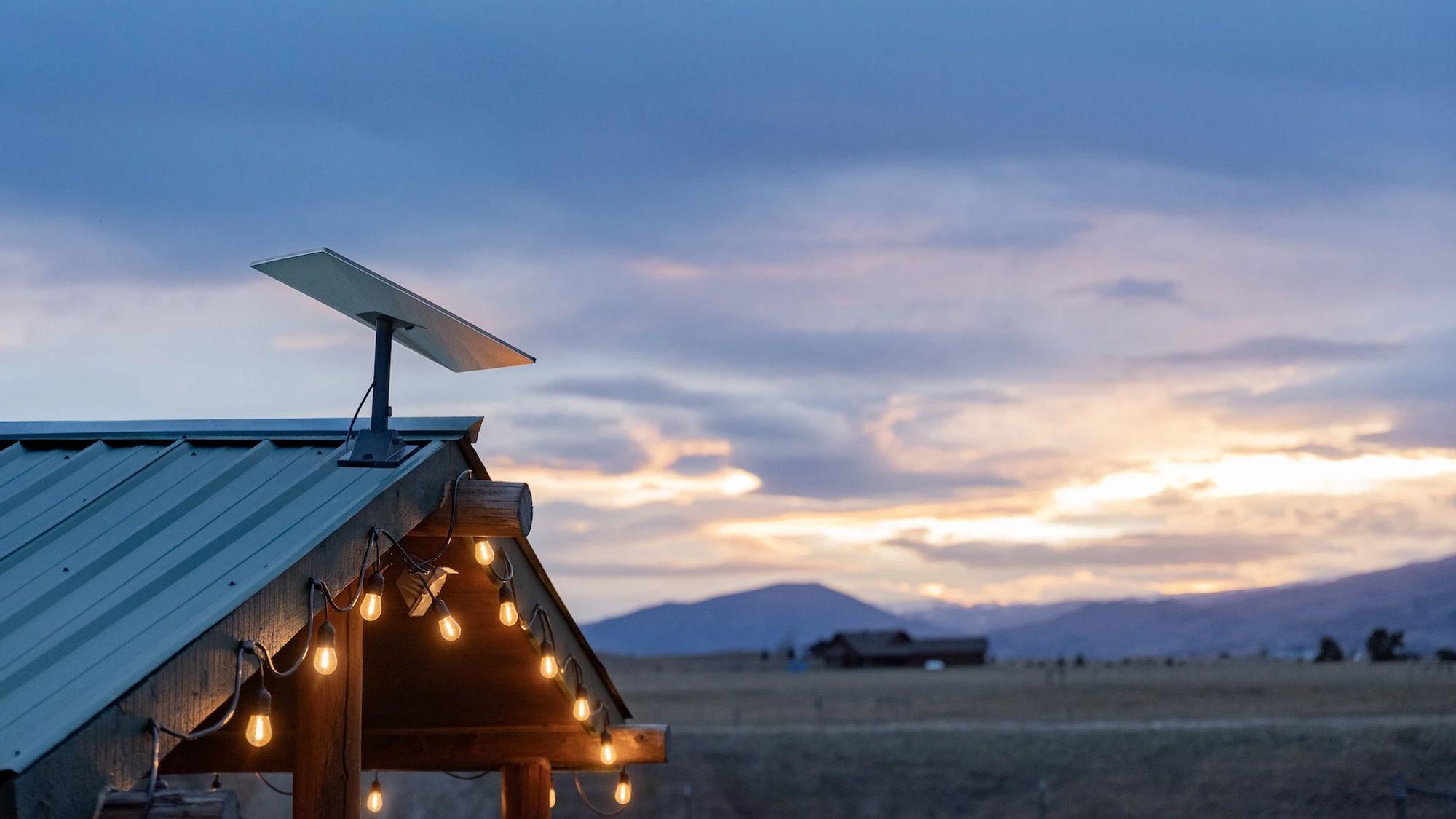
- A joint Insider/Der Spiegel/Le Monde investigation has published leaked documents showing a Chinese-drafted three-tier plan to contain and defeat Starlink.
- The plan, presented to Russian officers at a secret forum in 2023, outlines a three-tiered approach to containing and destroying SpaceX’s Starlink.
- A separately signed Moscow Protocol in June 2023 also commits Russia and China to jointly building a hypersonic missile defense system based on technology that Russia has never been willing to share before, even with its allies.
Starlink is the largest satellite constellation ever built in the world and, as a result, it also serves as the backbone for many civil and military communications channels.
With approximately 10,400 satellites in low-Earth orbit as of June 2026, SpaceX’s low-Earth orbit satellite Internet network covers nearly 160 different countries and territories while offering low-latency communications (20 to 40 milliseconds), often making it a better choice than GEO systems that have a built-in round-trip delay of 500 to 700 milliseconds.
Its potential for military purposes, until recently, has been downplayed by many in the industry, but it has formed the communications backbone for Ukraine in the ongoing Russia-Ukraine war, earning it the ire of the Russian government and renewed attention from China, which has already secretly begun preparing for the eventuality that it would have to disable the network.

A secret meeting that highlighted growing military cooperation between China and Russia
While China says its “limitless” partnership with Russia is still at stake as early as 2025, a year-long investigation by The insiderGermany The Spiegeland that of France The World indicates that both actors may already have significantly expanded its reach beyond what was previously visible, particularly with regard to their respective military ambitions.
Starlink, which the Russians view as a major obstacle to their campaign in Ukraine, forms the latter’s communications backbone, although the former are cut off from access as the conflict continues to evolve in what is now the fifth year of fighting.
For China, this poses a growing threat, underscored by the US military’s growing reliance on SpaceX, which is not only the Pentagon’s largest space supplier but also helps the US government deploy and maintain its military version of Starlink: Starshield.
Chinese military officials and engineers met with Russian officers in November 2023 at a summit in Guangzhou to discuss how to combat Starlink, laying out a three-pronged action plan: diplomatic pressure, jamming, then cyberattacks and, alternatively, physical destruction.
Not only would China and Russia seek to leverage their considerable clout in diplomatic forums to hinder Starlink’s growth by imposing regulatory pressures, but they would also invest in electromagnetic jamming infrastructure to render existing satellites useless in certain geographies, even if they collaborated within their respective ecosystems.
Perhaps more troubling for Elon Musk and SpaceX would be the cyber-warfare and physical-warfare component, where plans to exploit “access spoofing, virus infection, and vulnerability exploitation” meet plans to completely “eliminate” satellites already in orbit.
Given that these plans were first discussed in 2023, it can be assumed that they have evolved considerably since then, although drone warfare, laser weapons and anti-satellite missiles have made major advances, as modern militaries prepare for asymmetric warfare in future conflicts.
For example, Chinese researchers at the Northwest Institute of Nuclear Technology in Xi’an have reportedly built a ground-based microwave weapon capable of targeting satellites in low orbit, according to local media.
While China and Russia have also agreed to deploy an air defense solution under the “Working Protocol” signed in Moscow, which is expected to dwarf existing capabilities, including the Russian S-500, the revelations indicate that China is not passively but rather actively supporting Russia in its ongoing efforts.
This makes for a delicate subject to broach for Elon Musk and the White House that supports him: the former has taken a conciliatory stance toward China even though Tesla depends on the market for its sales, houses its largest and most efficient factory, and has already resulted in favorable lease terms and loans from the Chinese government, while the latter may tip his hand due to “national security” concerns that could create an uncomfortable situation, much like the one that occurred for Nvidia after Beijing’s intervention.
Starlink could be a big piece of the pie for both the U.S. government and Elon Musk, but the response from both sides to Chinese plans for the service could differ significantly as a result, given what’s at stake for both entities.

Follow TechRadar on Google News And add us as your favorite source to get our news, reviews and expert opinions in your feeds.


