
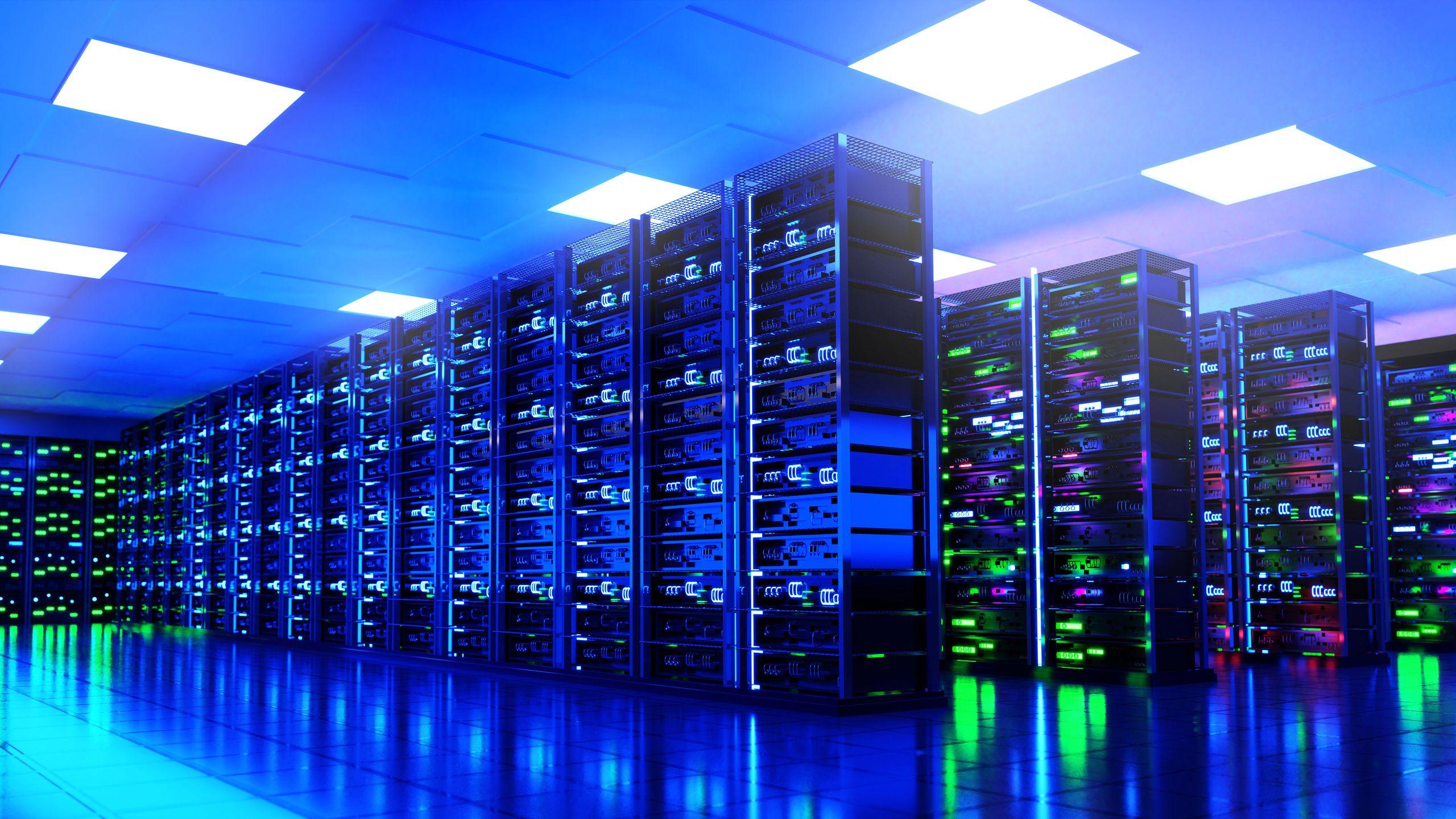
- Gartner study suggests AI data center power requirements will increase 26% in 2026
- This is a 13% increase from an earlier forecast that capped growth at 500 TWh.
- AI data centers currently account for 31% of total data center power consumption, but are expected to exceed the power needs of conventional servers by 2027.
Recent years have seen demand for AI chips skyrocket, with all major players in the industry investing in infrastructure, training and inference hardware to create their own data centers and clouds for computing.
The hypothesis was that better, faster chips were the key to unlocking both artificial general intelligence (AGI) and AI efficiency gains, as the world turns away from AI agents and toward AI operators.
The bottleneck that many saw coming but was arguably downplayed is now back in focus: power limitations could limit future data center growth globally.

Not a flea problem, but an energy dilemma by 2030?
A recent Gartner report indicates that AI servers may not have a chip supply problem, but power limitations that could decisively shape future data center expansion, bringing it to a grinding halt by 2030 if not addressed.
Gartner estimates that even if current data center power requirements are capped at 132 GW, they could reach 290 GW by 2030, indicating that energy constraints will undoubtedly dominate future AI data center planning.
“Increasing demand for compute-intensive AI workloads is driving unprecedented growth in data center power, while AI capacity is now limited by power availability, making data center power security the new battleground to expand and protect margins in the global AI race,” said Linglan Wang, managing analyst at Gartner.
The current estimate makes even the most extreme case described by power infrastructure provider, Schneider Electric, tame.
That’s why Nvidia CEO Jensen Huang has already started citing power efficiency as the reason its chips are superior to the competition.
In a recent interview with BloombergHuang said data centers and enterprise customers would want the highest number of “tokens per watt” to achieve maximum value in a power-constrained future.
Increasing power generation or upgrading grids may arguably be a more complex or time-consuming undertaking than simply building AI data centers, with Goldman Sachs estimating that up to $720 billion in grid spending could be needed by the end of the decade to account for the additional load that AI data centers will bring.
Whether this will play out exactly as Gartner predicts remains to be seen; However, while all industry players indicate that they intend to increase their spending on AI infrastructure, the projection that current energy requirements (565 TWh) will more than double (1,200 TWh) by 2030 is a very possible scenario, and the industry’s focus may shift to delivering both power and efficiency rather than raw computing over time to account for the change.

Follow TechRadar on Google News And add us as your favorite source to get our news, reviews and expert opinions in your feeds.


