
- DJI announces completion of three drone missions on Everest
- FlyCart 100 transports supplies in one direction and waste in the other
- DJI Matrice 4E and DJI EV50 involved in other mountain tasks
Mount Everest has a trash problem. Decades of expeditions have left the world’s highest mountain littered with discarded oxygen tanks, abandoned tents, food packaging and worse – so much so that the peak has earned the unflattering nickname “the world’s highest landfill.” But DJI thinks its drones can help clean up the mess.
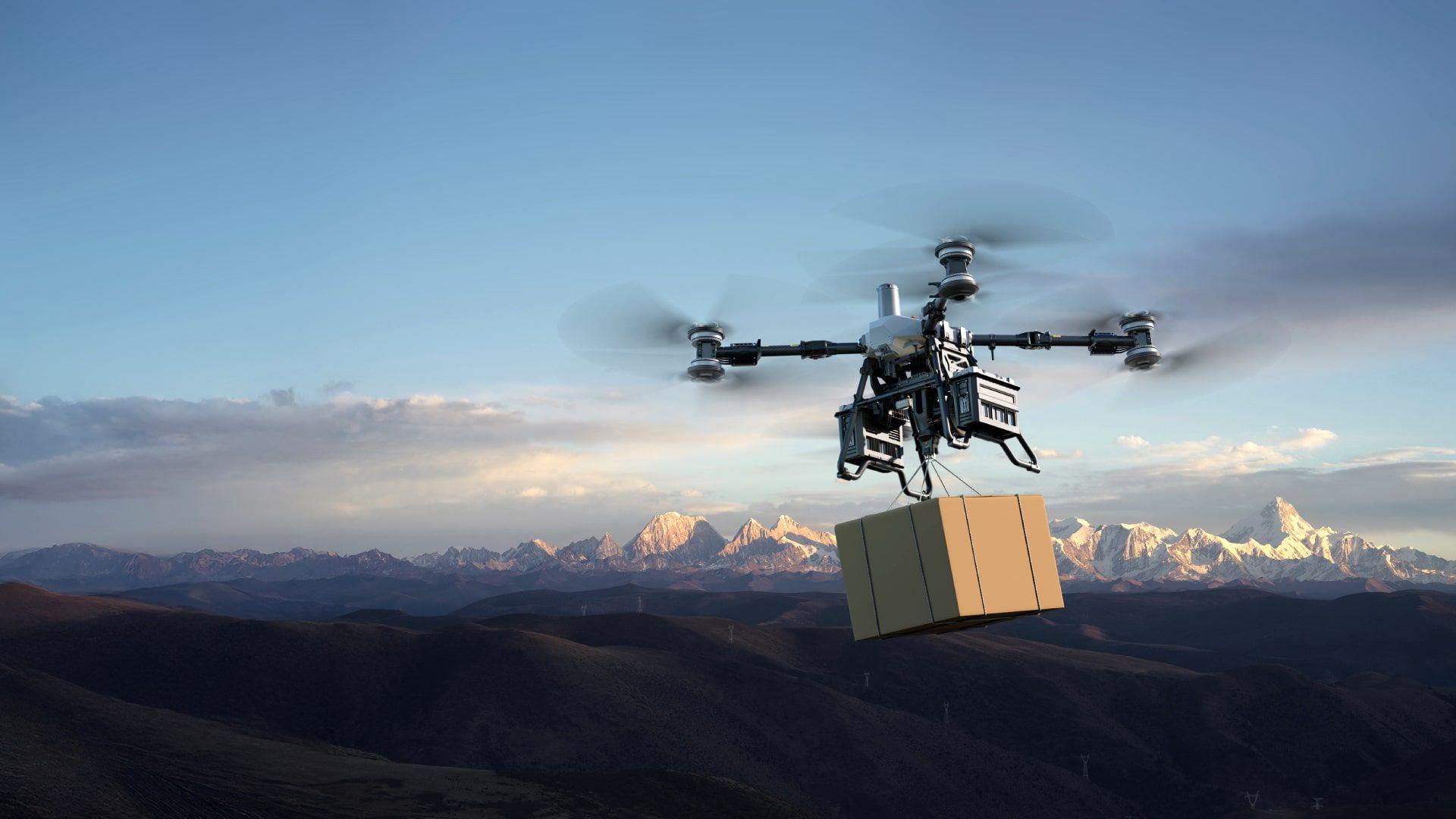
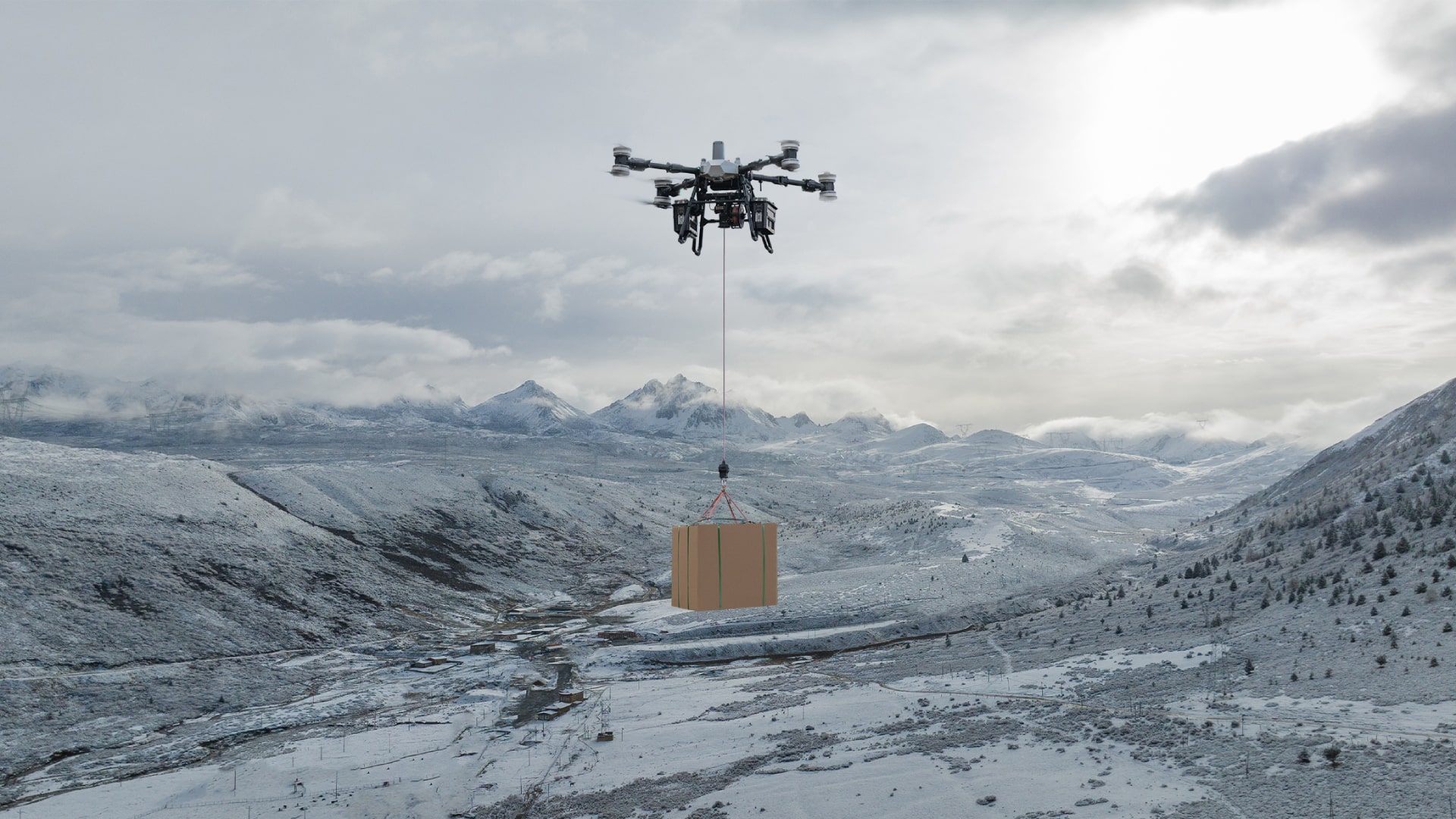
The drone giant announced the successful completion of three missions on Everest, headlined by the DJI FlyCart 100. DJI’s heavy-duty delivery drone spent the spring 2026 climbing season transporting supplies and waste between base camp and Camp 1, on Nepal’s southern slope of the mountain.
Working with local drone company Airlift, DJI says the FlyCart 100 carried a total of 10,073 kg between the two camps: 7,215 kg of climbing gear (think oxygen tanks, ropes and ladders) on the way up; 2,858 kg of waste on the way down. In the future, the drone will help remove about 10,000 kg of waste per season from high-altitude camps, which previously could not be cleaned at all.

This represents a significant amount of waste being moved, but it is absolutely necessary. According to National Geographic, the average Everest climber generates around 8kg of waste during their expedition, most of which is left on the mountain. And with more than 600 people attempting the summit each season – each supported by at least one local guide or porter – waste adds up quickly.
Eight minutes versus eight hours
The benefits of the FlyCart 100 are not limited to its payload: the time (and risks) it saves are also a major boon. Traditionally, transporting supplies from base camp to Camp 1 means Sherpas trekking for six to eight hours on foot through the Khumbu Icefall, a treacherous maze of shifting ice towers and crevasses that is among the most dangerous sections of the entire climb. The FlyCart 100 can cover the same route in just eight minutes.
This does not mean that the drone is easy to fly. The FlyCart 100 can carry up to 100 kg at sea level, but Everest is as far from sea level as the surface of our planet. In DJI’s tests, the drone lifted up to 47 kg while operating at altitudes above 6,300 m, in temperatures ranging from -15°C to 5°C – conditions that would ground most consumer drones (and most helicopters, for that matter).
“Our team remains committed to making the world’s highest mountain safer and cleaner for Sherpas and climbers around the world,” said DJI spokesperson Christina Zhang. “The success of our latest operations marks an important milestone, and we hope that our continued collaboration with the scientific community will advance drone technology, saving lives and supporting conservation efforts across the world.”
The cleanup effort closely aligns with Nepal’s broader efforts to restore the mountain, including the Nepal Mountain Association’s “Zero Waste Initiative 2027.” The FlyCart 100 will also support the Nepalese climbing community’s goal of transporting approximately 5,000 oxygen cylinders between Base Camp and Camp 1 each season.
Mavic 3 against the mountain
Look on it
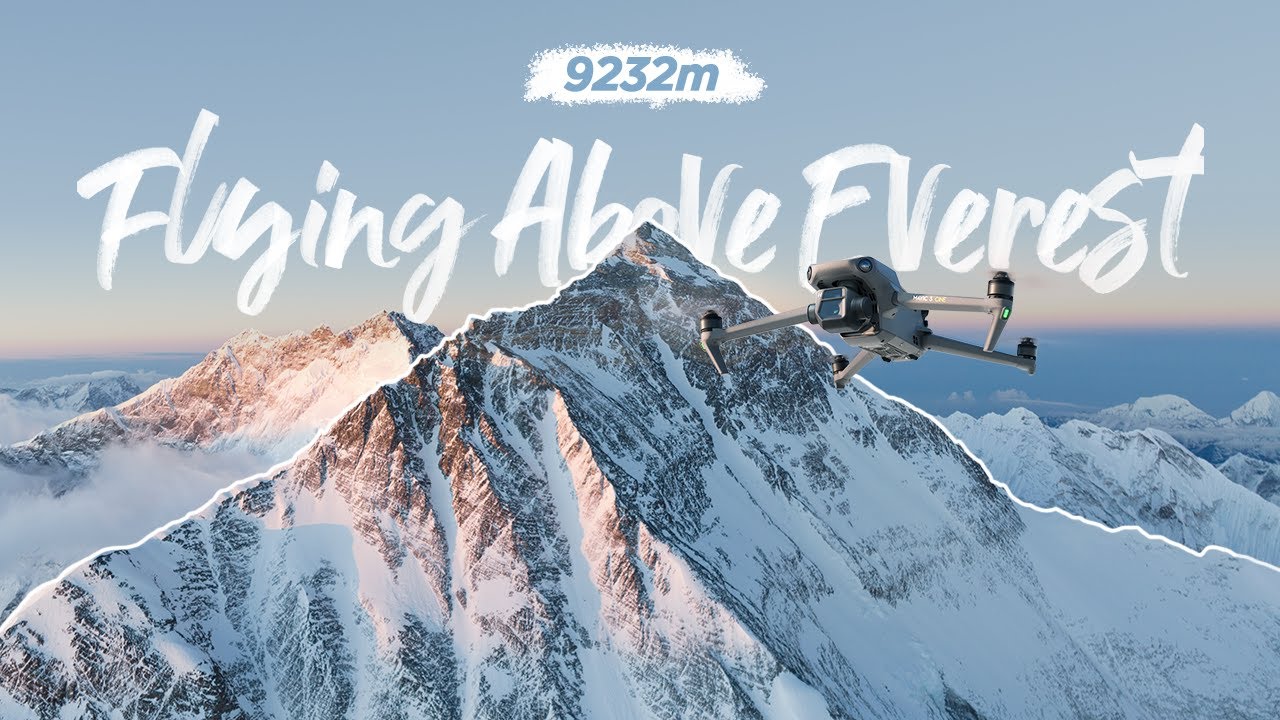
DJI has some history on Everest. In 2022, a DJI Mavic 3 became the first drone to capture footage of the mountain’s summit at 8,848.86m, while in 2024 the FlyCart 30 carried out the world’s first drone delivery tests on the mountain.
This year’s missions went even further: alongside the FlyCart 100’s headline-grabbing deliveries, a DJI Matrice 4E mapped more than 3 km² of the Khumbu Icefall in centimeter detail in just 3.5 hours, giving climbing teams real-time hazard data to plan safer routes. Meanwhile, on the north side of the mountain, DJI’s first eVTOL delivery drone, the EV50, carried ozone measuring equipment for atmospheric research, reaching a maximum altitude of 8,861 m, higher than the peak itself.
None of this will solve Everest’s overcrowding problem, and there are still tons of historic waste buried in its glaciers, with climate change exposing more of it every year. But if a drone can accomplish in eight minutes what once took a Sherpa an entire day of potentially lethal work, it appears that progress is actually being made.

Follow TechRadar on Google News And add us as your favorite source to get our news, reviews and expert opinions in your feeds.


