
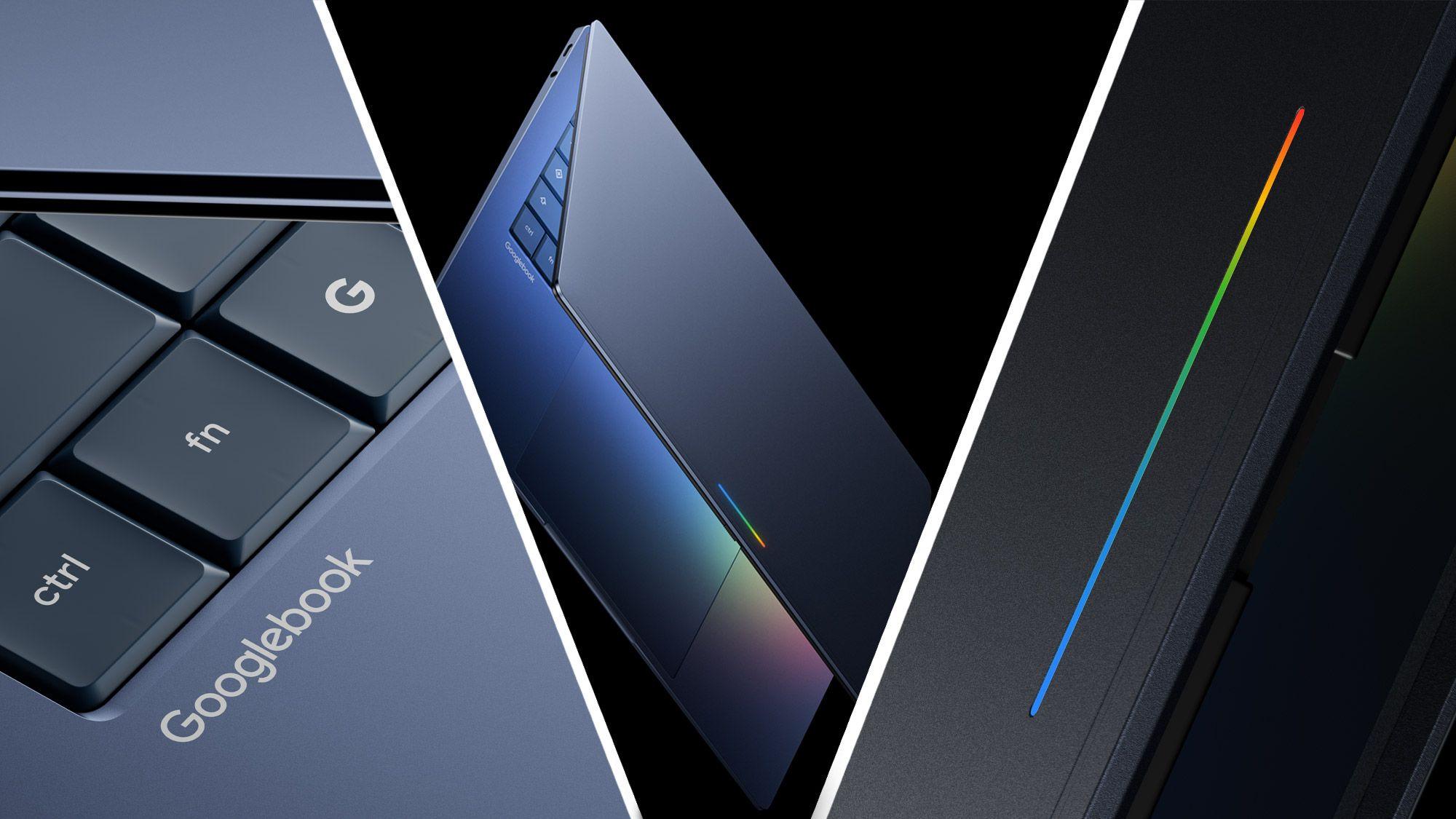
- Google unveils Googlebook
- He places Gemini at the center with an “intelligence system”
- Magic Pointer reinvents the classic pointer with – yes – AI
It’s been almost a year since Sameer Samat, Google’s head of Android experience, let it slip that the tech giant was finally ready to do what had been talked about for a long time: combining Android and ChromeOS into a single experience.
The reveal, part of Google’s annual Android show, is a two-pronged affair. First, there’s a unique platform that somehow combines the best of Android and ChromeOS, and second, the unveiling of a new class of laptops: Googlebooks, which Google says are “designed for Gemini Intelligence.”
That’s right, Google is once again trying to reinvent the laptop. Forget Pixelbooks (although Chromebooks and ChromeOS aren’t expected to go anywhere), this is brand new hardware intended to host a platform designed for a new type of desktop and laptop computing experience.

And at the heart of it all is, well, not exactly Android, but Gemini. Some might describe it as the world’s first AI operating system, or as Google puts it, “an intelligence system.”
Although Google has provided few details on hardware and platform specifications, it highlights how Gemini’s premier position will transform the computing experience, and it starts with the pointer.
Welcome to the magic pointer
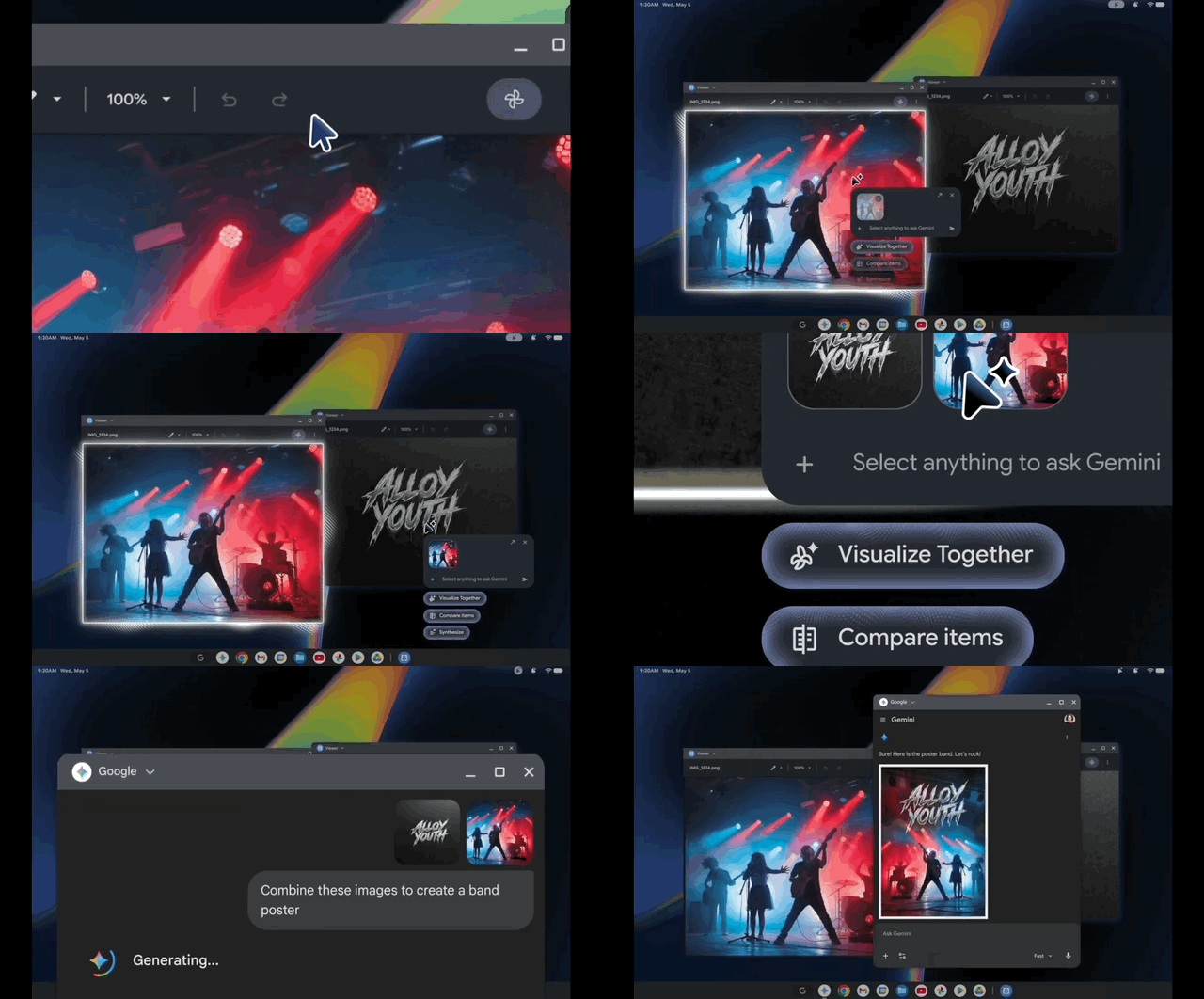
Shaking the cursor to get a different experience on a laptop isn’t a new idea (try wiggling your macOS cursor), but Google’s AI-driven approach is new. On the Google Book, a shake of the “Magic Pointer” brings up a context menu that quickly tells you everything you can do with, say, Gemini, right there.
Choose one of the options and it naturally launches Gemini in situ, and you can now follow its guides to do more with whatever’s on screen. If, for example, you see two images in your gallery and want to imagine a mashup, you can wave this magic pointer, select them, choose an AI action like “view together,” and then instantly see the result of generative AI projects in Gemini. Think of this as a prompt in the form of a gesture.
Googlebooks will also be a place where you can experience Android’s new “Create My Widget” features, which should let you create bespoke desktop widgets for all kinds of personalized information, like upcoming trips and business meetings.
Is this really a new operating system?
It’s a little hard to say exactly how ChromeOS influences the Googlebook experience, because aside from all the AI, apps, and other features, it will work locally (Google promises the system will handle “powerful apps on Google Play”). This may have something to do with the lightness of the platform; maybe it will run all of this on lower end specs.
The relationship with Android is much clearer. Googlebooks will allow you to stream most Android apps and experiences to the Googlebook desktop. The benefit is that you never need to leave your Google Book or take a break to pick up your Android 18 smartphone to continue a mobile task. The system dock will include a persistent phone icon that you can select to virtualize your Android phone on the Googlebook. All of this will only work with “compatible” Android phones, and as of now, we don’t have that list.
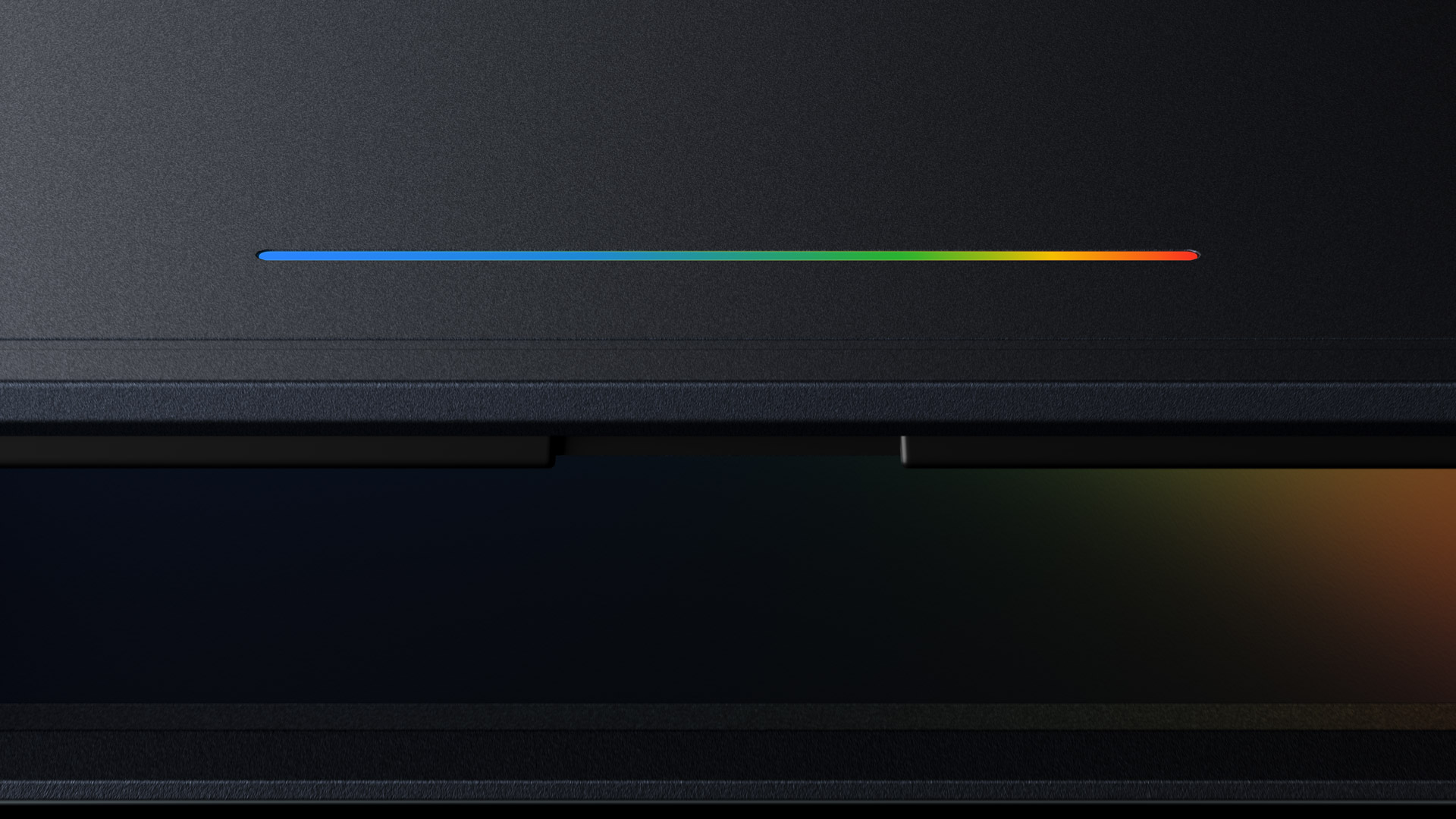
While we already know about some hardware partners, like Acer, Asus, Dell, Lenovo and HP, we don’t have any details on how they might use the new intelligence system. It’s unclear, for example, whether all of them will feature the light bar, a thin rainbow LED that peeks through the metal frame of the Googlebook’s cover. Google says the light bar will be beautiful and functional, but hasn’t yet explained what it will do. It’s probably safe to assume that the lights can, even when the system is closed, alert you to, say, incoming notifications, and perhaps even turn entirely red in the event of an unavoidable alert.
It’s more likely, however, that the Gemini AI built into the Googlebook will respond to voice prompts even when it’s closed, and the light bar will glow when you speak and the system listens and responds.
Other specifications including screen size, touchscreens (yes or no), RAM, processor, webcam, battery life, overall size and weight are also missing. However, we wouldn’t be surprised to see a Googlebook or two at Google I/O 2026, which kicks off next week in Mountain View, California.
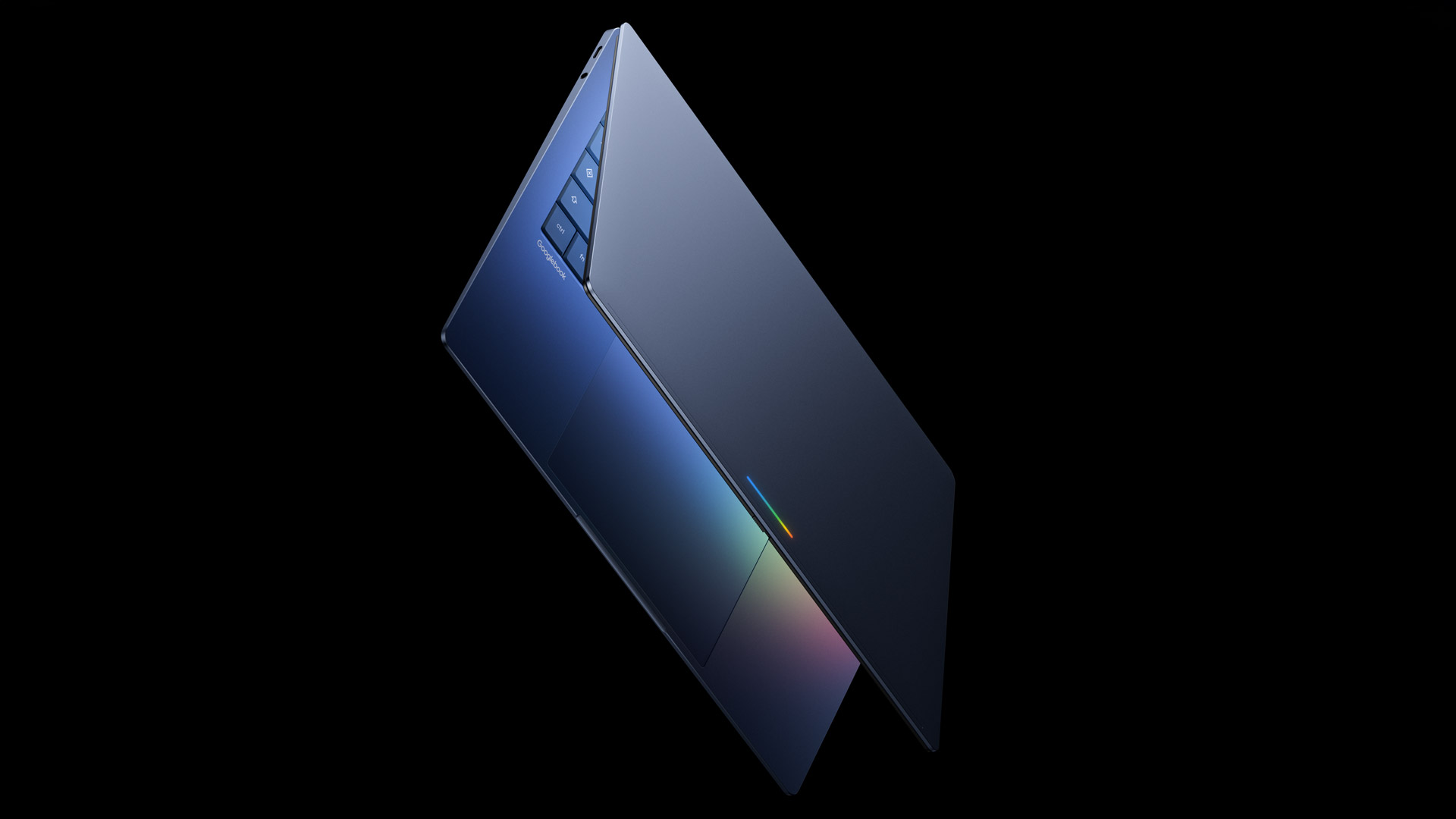
Google deserves credit for being the first to come up with an “AI OS” (why didn’t they call it “Geminibook?”). But it remains to be seen whether Google Books will excite or create confusion. After all, this isn’t the first time Google has created a premium hardware category to support its own platform ambitions. Pixelbooks are going extinct in 2022, although ChromeOS is alive and well with many of the same partners that will now supply Googlebooks, and Google confirms that they will continue to support and develop the platform.
How will consumers decide between Chromebooks and these new AI-centric Googlebooks? This may be due to their interest in Gemini (and other AI platforms) and their need to run “powerful applications” locally.
There’s no denying, though, that this is a big change and somewhat in line with what Google’s Sameer Samat told me last year: “…you see the future on Android first.”

Follow TechRadar on Google News And add us as your favorite source to get our news, reviews and expert opinions in your feeds.


