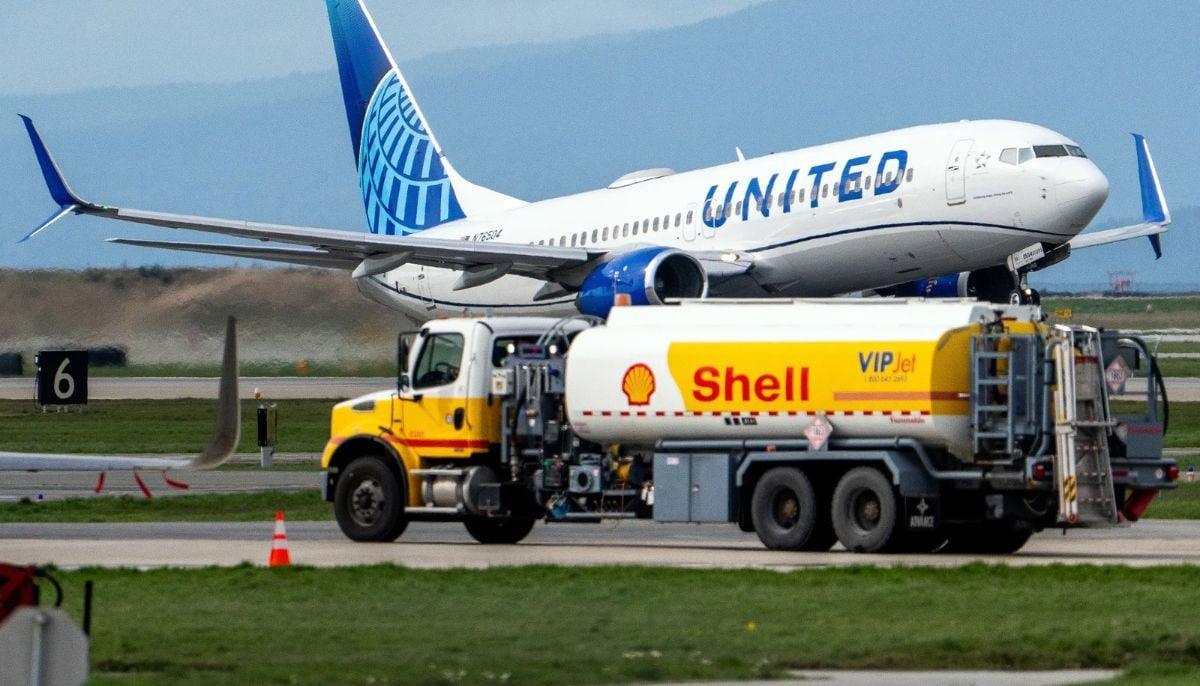
Europe’s energy crises and jet fuel shortages worsened amid the U.S.-Israeli war against Iran and the subsequent closure of the Strait of Hormuz.
The International Energy Agency (IEA) has warned that there may be only “six weeks of jet fuel” left in Europe, with imports from the Middle East affected by conflict in the region and the closure of the key route for jet fuel from the Gulf for more than six weeks now.
If negotiations taking place today (Monday) in Islamabad, Pakistan, fail, millions of air travelers are expected to be affected.
In an interview with the Associated Press, IEA executive director Fatih Birol warned that flight cancellations would be expected in case supplies remained blocked.
Middle Eastern countries are a major supplier of oil, gas and jet fuel to countries around the world. The Iranian closure of the Strait of Hormuz and attacks on energy infrastructure in the Middle East in retaliation for US-Israeli attacks have led to the closure of much of these countries’ production capacities and refineries.
Birol said: “The crisis has strained the internal workings of aviation fuel markets. »
Jet fuel prices have also increased since the start of the war in Iran, exceeding $1,500 per tonne.
Travelers can expect higher airfares, possible flight cancellations (especially summer vacations), higher fuel prices that will affect everything from groceries to electricity.
Pakistan, acting as a mediator, has also stepped up its efforts to ensure an end to hostilities between the United States and Iran.
The second round of Islamabad talks is expected to begin late Monday or early Tuesday, April 20, 2026.