
- Musk makes big admission during latest earnings call
- CEO hints we could see Roadster in ‘a month or so’
- Tesla also announces an improved AI4 chip
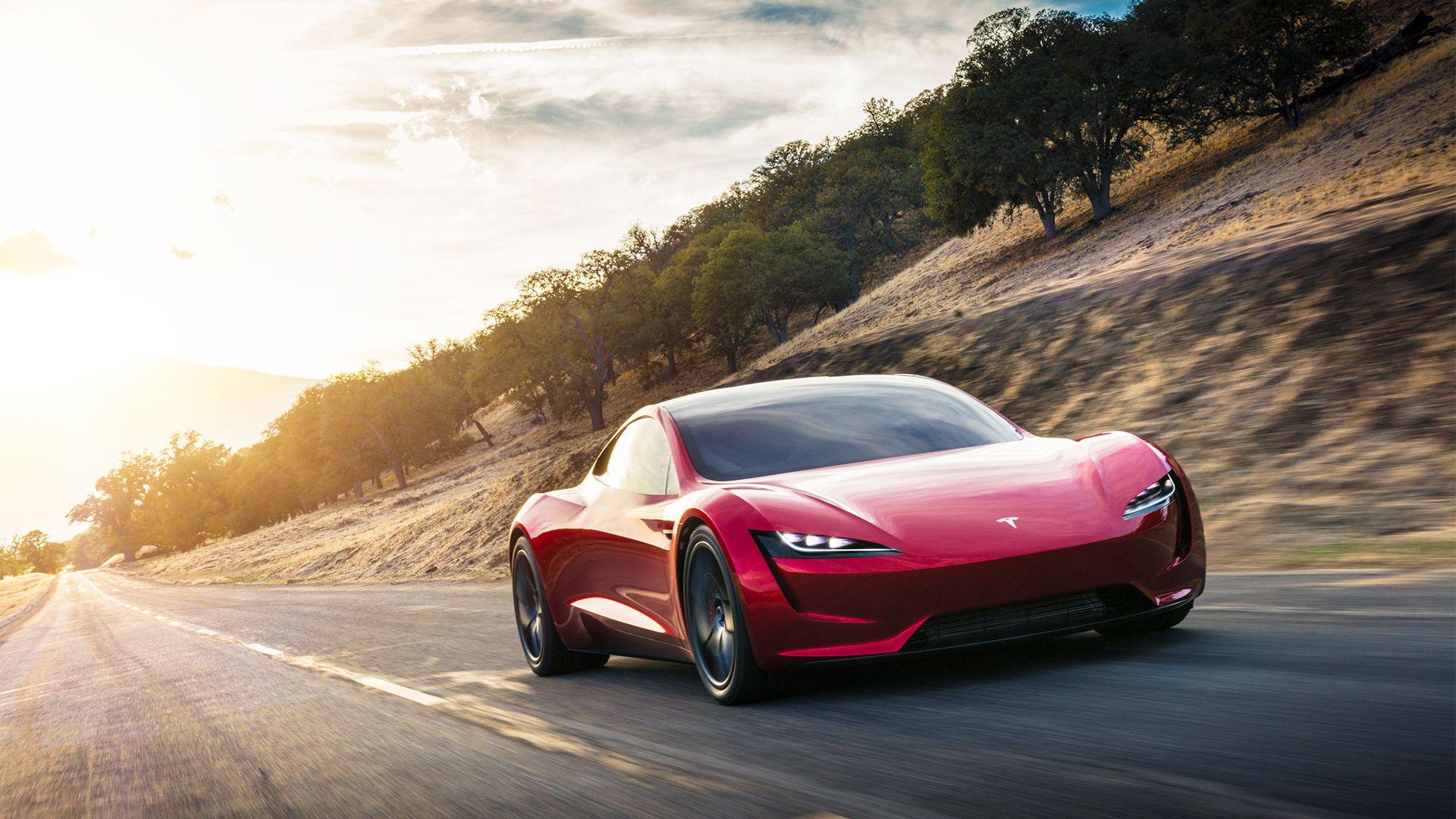
During the company’s first-quarter earnings conference call, Tesla’s CEO said that the bulk of the company’s “long-term” production will be the two-seater Cybercab and that anyone planning to physically take control of driving duties will have to look to the long-awaited Roadster model.
“Over time, it will make sense that our entire lineup will be autonomous vehicles of varying sizes,” Musk said. “In fact, in the long term, the only manually driven car will be the new Tesla Roadster,” he added.
The vehicle in question has been rumored for release since 2017, when the company began accepting deposits for an all-new two-seat electric sports car.
Article continues below
Meanwhile, Tesla’s CEO claimed it would be able to achieve the 0-60 mph sprint time of 1.9 seconds and hinted it would use SpaceX-derived technology to “fly” for short periods.
But during this year’s earnings conference call, Musk pushed back the Roadster’s launch once again, saying the company would be able to launch the car in “about a month.”
“I think it might be one of the most spectacular demos ever made,” he said, although he didn’t give more details on when we’ll see it or when it’s expected to go into production.
Analysis: the goal posts continue to move
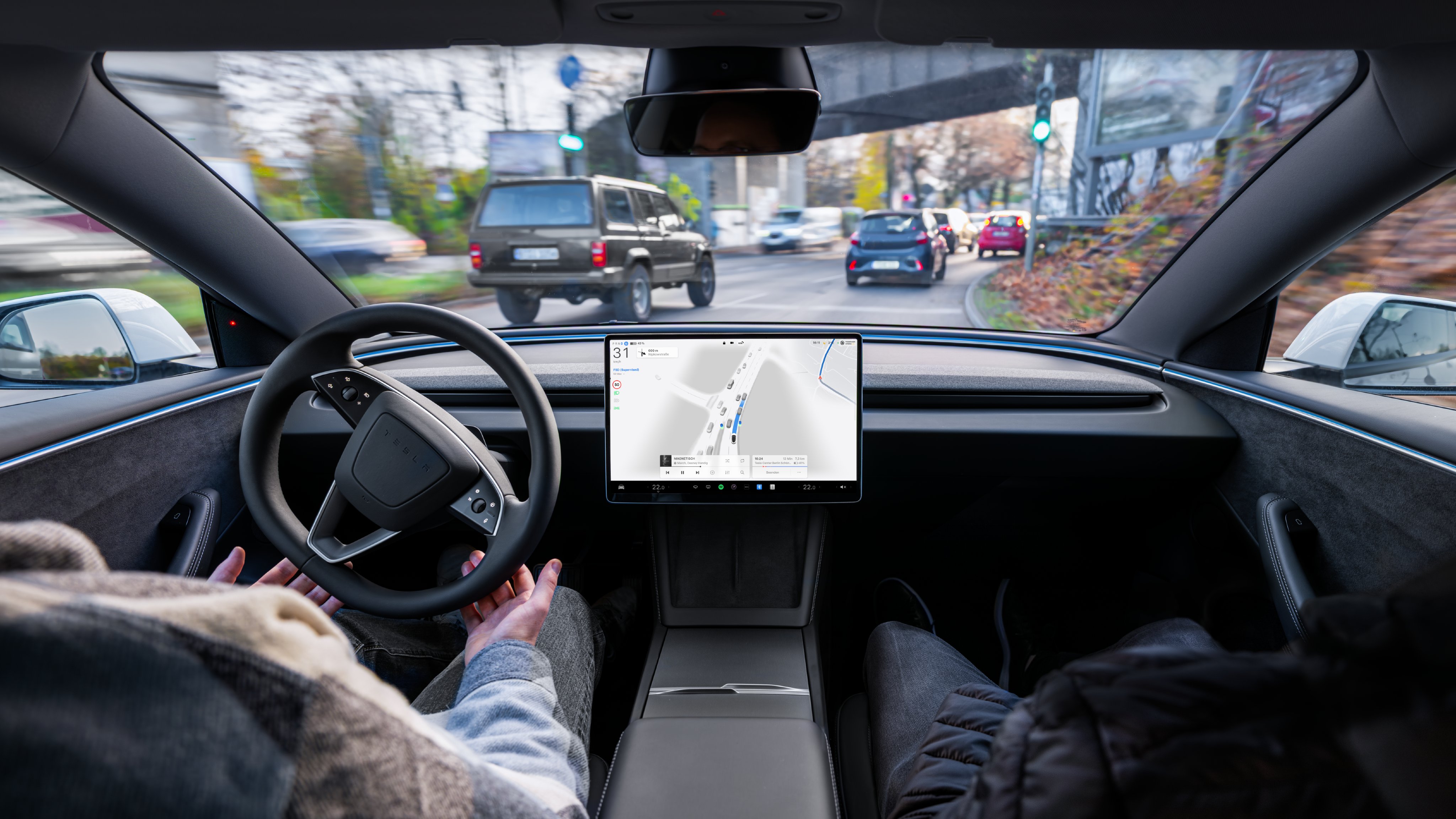
Elon Musk’s vision of a fully autonomous future is currently causing headaches for the company, as a number of Tesla owners have begun taking legal action against the company’s historic claims of fully autonomous driving.
During the recent earnings conference call, Musk finally admitted that “Hardware 3 simply does not have the capability to achieve unsupervised FSD,” despite previous promises to customers.
He went on to say that the company was exploring the possibility of building “micro-factories or small factories” in major metropolitan areas to transform older HW3 cars into HW4s. Although there are no further details on how this would work.
Yet on the same call, Musk also said that the AI4 chips would also be quickly replaced by more capable technology.
Since the company’s recently unveiled next-generation AI5 chips won’t be going into vehicles anytime soon, but rather into Optimus robots, Tesla is now planning an AI4 Plus upgrade to its standalone computer that doubles the RAM from 16GB to 32GB per chip, bringing the total to 64GB, which is in line with Nvidia’s latest automotive processors.
But read between the lines and it seems that while the HW4 with the AI4 Plus chip is probably more than enough to keep running with supervised fully autonomous driving, it’s not powerful enough to move into unsupervised mode – a goal Tesla has been working toward for years and a promise that attracted millions of customers in the first place.
Follow TechRadar on Google News And add us as your favorite source to get our news, reviews and expert opinions in your feeds. Make sure to click the Follow button!
And of course you can also follow TechRadar on YouTube And TikTok for news, reviews, unboxings in video form and receive regular updates from us on WhatsApp Also.


