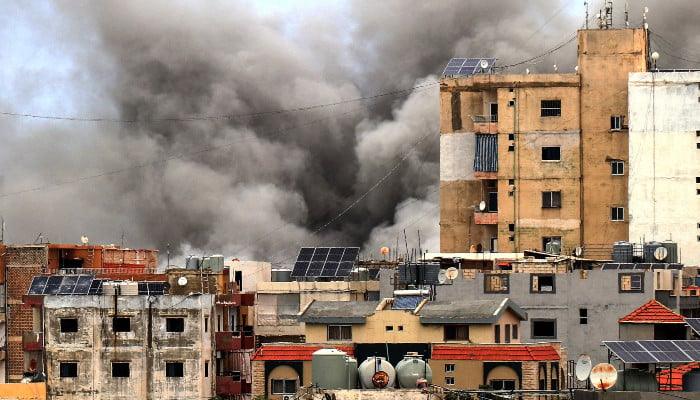
- The ceasefire extension follows US-brokered talks.
- Lebanon participates in talks despite Hezbollah’s objections.
- Israel seeks to disarm Hezbollah.
WASHINGTON: Israel and Lebanon agreed to a 45-day extension of the ceasefire that has eased the conflict between Israel and Iran-backed Hezbollah in southern Lebanon, as two days of Washington-facilitated talks concluded Friday with an agreement to hold further meetings in the coming weeks.
“The April 16 cessation of hostilities will be extended for 45 days to allow for further progress,” State Department spokesperson Tommy Pigott said on X, adding that talks aimed at ending decades of conflict between the two countries were “very productive.” The ceasefire was set to expire on Sunday.
The Lebanese and Israeli delegations issued positive statements on the negotiations, their third meeting since Israel intensified its air attacks on Lebanon after Hezbollah fired missiles at Israel on March 2, three days after the start of the U.S.-Israeli war against Iran. Israel’s bombing campaign and ground invasion in southern Lebanon displaced some 1.2 million people, before US President Donald Trump announced a ceasefire last month following initial talks between the two countries’ ambassadors in Washington.
Hezbollah and Israel have continued to trade blows, with hostilities concentrated in southern Lebanon, where Israeli forces occupy a self-declared security zone.
Lebanon wants hostilities to stop
U.S.-led mediation between Lebanon and Israel emerged alongside diplomacy aimed at ending the U.S.-Iran conflict. Iran has said ending Israel’s war in Lebanon is one of its demands for an agreement on the conflict as a whole.
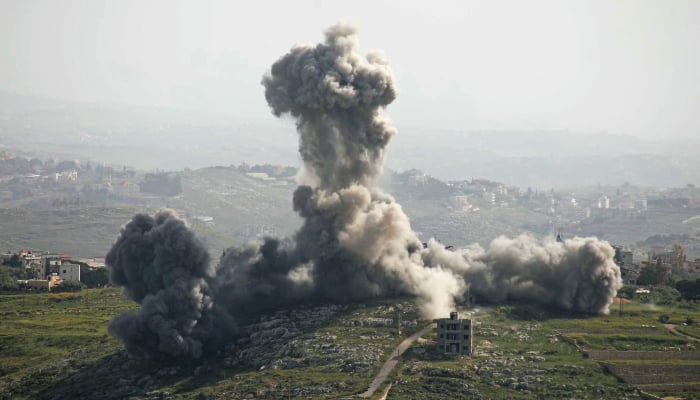
The Lebanese delegation, present despite Hezbollah’s objections, prioritized the cessation of hostilities during the talks. Israel says Hezbollah must be disarmed as part of any broader peace deal with Lebanon.
The Washington meetings, the highest-level contact between Lebanon and Israel in decades, have evolved to include military and security officials. Pigott said on
“We hope that these discussions will advance lasting peace between the two countries, the full recognition of each other’s sovereignty and territorial integrity, and the establishment of genuine security along their shared border,” Pigott said.
The Lebanese delegation said in a statement that it wanted to turn the momentum of the ceasefire into a lasting peace agreement. “The extension of the ceasefire and the establishment of a U.S.-facilitated security process provide essential respite for our citizens, strengthen state institutions, and advance the political path toward lasting stability,” the delegation said.
Israeli Ambassador to the United States Yechiel Leiter said the talks were “frank and constructive.”
“There will be ups and downs, but the potential for success is great. What will be paramount throughout the negotiations is the safety of our citizens and our soldiers,” Leiter said on X.