

- Windows 11 updates improved to stop installation failures
- An update that would have previously failed will now receive special attention in the form of automatic recovery attempts.
- This means the update process will take longer, but will hopefully succeed where it would have failed in the past.
Microsoft has been doing a lot of work on Windows 11 updates lately, and another initiative is underway that will hopefully reduce annoying installation failures.
Windows Latest reports that if you notice that a monthly update is taking a long time to apply and the installation process (indicated by a spinning circle with a percentage progress indicator) seems to have been going on for a long time, you don’t need to worry unduly that Windows 11 might crash.
In fact, this could be a good sign, as Microsoft explains in a recent article about Windows Update improvements: “We ensure that devices remain secure by default with automatic recovery in the event of an update failure – taking additional steps in the background to help the update complete successfully without user intervention.”

“This means your device will automatically attempt to recover from installation failures in real time, making some updates take longer to complete, but ensuring a higher success rate.”
This means that before Microsoft made this change, an update that followed this path would have simply failed. With the new way of working, Windows 11 notices the point of failure and then comes back to try to fix whatever the problem is.
That’s why you might wait a while, but hopefully a positive result in the end: a successful update, rather than being sent back to the desktop with an “installation failed” message pinned to the latest Windows Update patch.
Analysis: Putting an End to Stop Codes
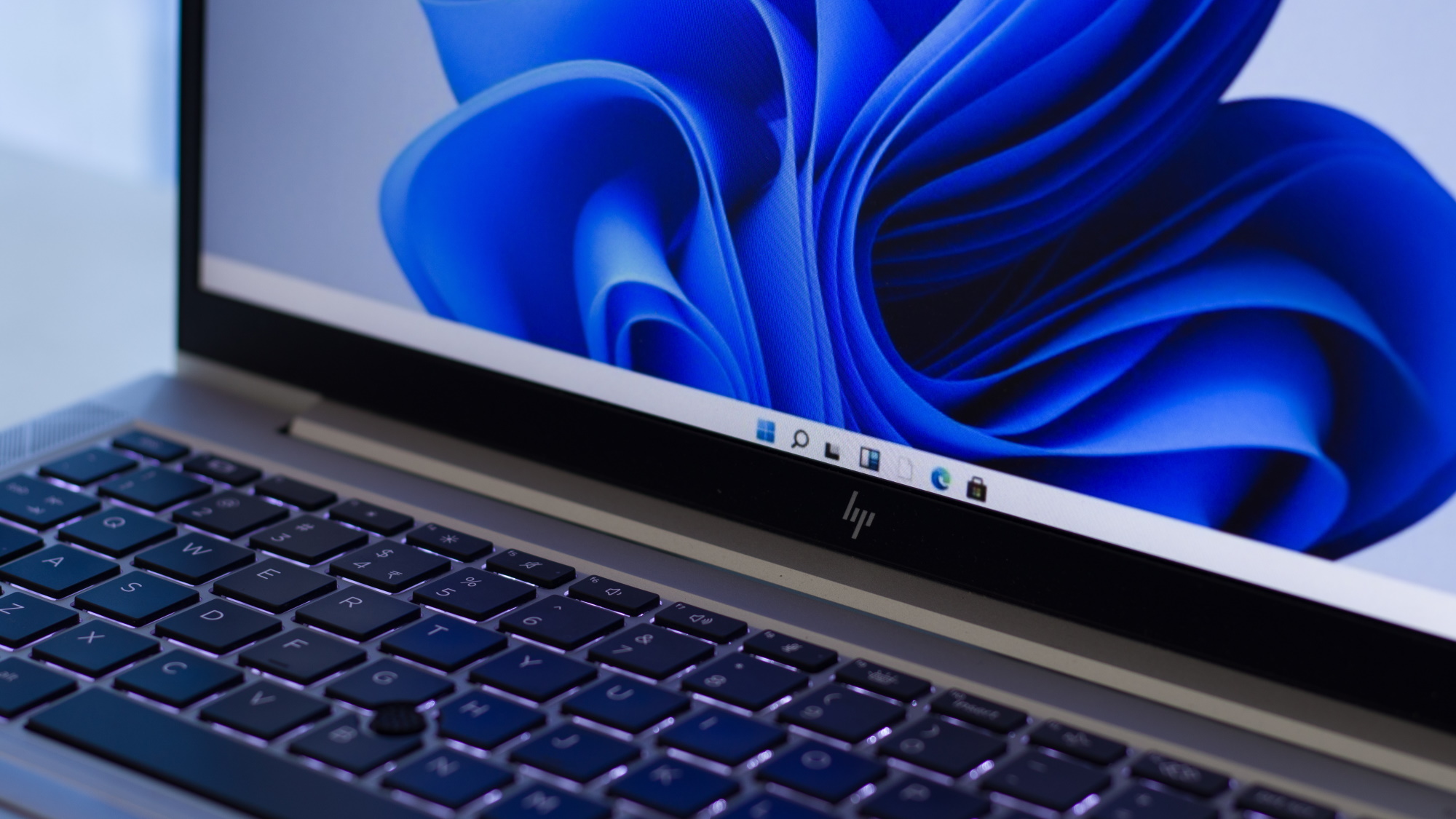
This is another useful measure for Windows 11 updates, and it will hopefully mean the end of what has been one of the longest-running bugs in Windows 11 updates, and it’s something that has also been a persistent thorn in the side of Windows 10 users.
We’ve consistently seen a series of install failures with certain updates since Windows 10 arrived in 2015. It’s a problem that keeps popping up, where there are many reports of an update failure (often with a weird and meaningless “stop code” error), and hopefully in the future we won’t see this as much.
Importantly, Microsoft also claims to have “made steady progress in reducing the download and overall time it takes to apply a Windows update” and is working to reduce that time even further over the course of 2026. So while some updates may take longer, this is only in circumstances where they would have otherwise failed completely. (As an aside, it’s also worth remembering that currently you may experience a long update, with multiple reboots, for a specific reason related to the Secure Boot feature).
Microsoft’s other big changes to Windows 11 updates recently include delivering a feature I’ve personally wanted for a long time, namely the ability to delay a patch indefinitely (or as long as it takes until a bug you’re concerned about is fully fixed). Update installation controls have also been refined, and sudden, unexpected reboots for upgrades should soon be a thing of the past. On top of that, you can now skip applying updates in the Windows 11 setup process, if you want.
To be fair to Microsoft, this fixes just about every major issue with Windows 11 updates.

The best laptops for every budget

Follow TechRadar on Google News And add us as your favorite source to get our news, reviews and expert opinions in your feeds.


