
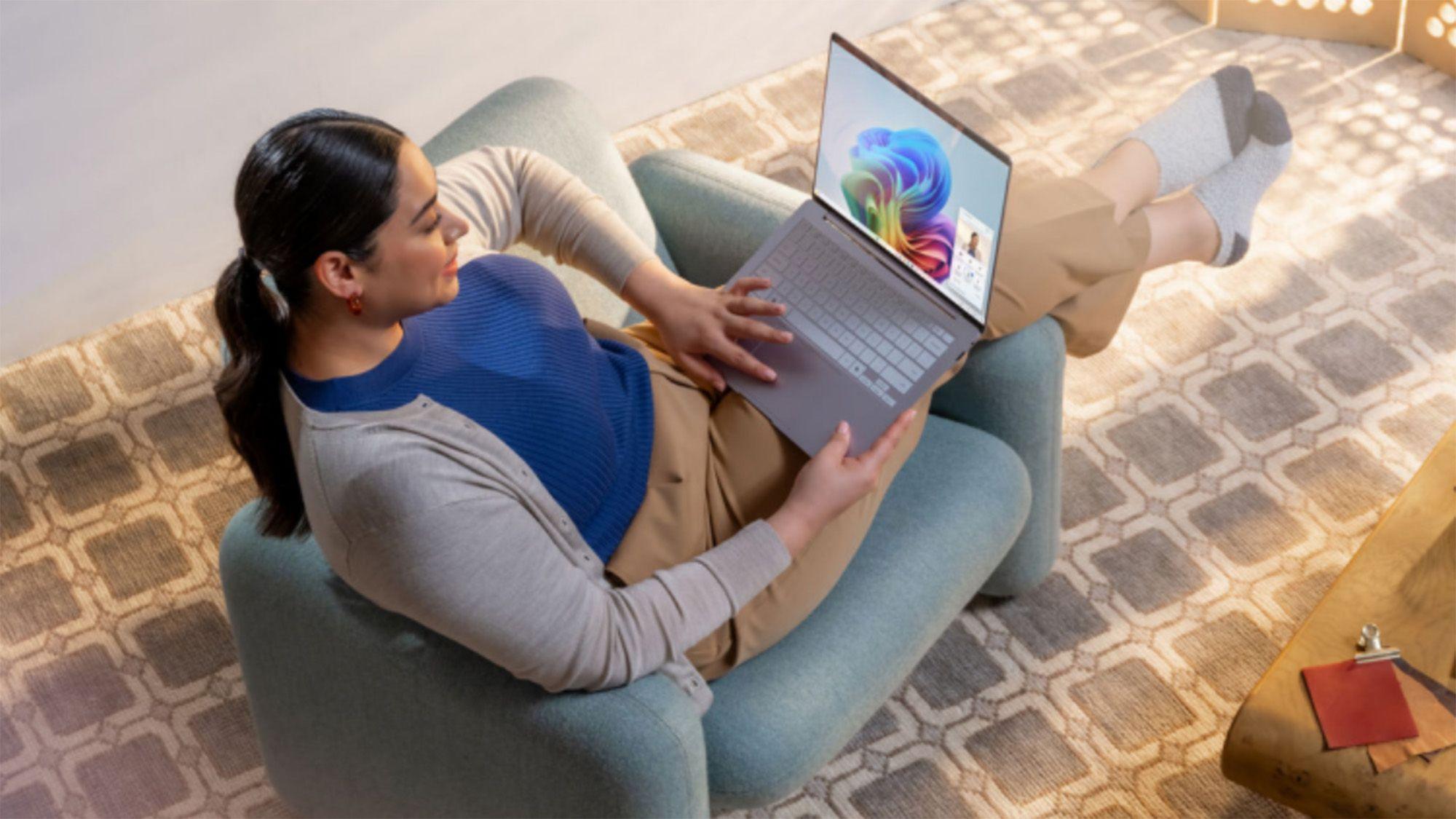
- Windows 11 benefits from a new “Low Latency Profile” feature
- It gives a brief boost to the CPU to help apps and menus load faster
- This is just a rumor, and we’re still in early testing, but we’re told we shouldn’t worry about the negative impact it will have on the laptop’s battery life.
Windows 11 benefits from a feature designed to accelerate performance when the system faces spikes in demanding activity – such as the workload created when opening an application – by briefly putting the accelerator to the floor with the processor.
Windows Central reports that this is apparently part of the so-called Windows K2 project, otherwise known as “this year’s big effort to fix everything that’s wrong with Windows 11.”
The focus is on improving performance with K2 and, according to leaker Zac Bowden, the new CPU boosting trick is already being tested with the Windows Insider program. Indeed, Windows Latest has already activated it (using a configuration utility) and tested the functionality.

Sources within Microsoft told Bowden that the feature is known as “low latency profile” and that it kicks in, briefly increasing the CPU frequency – between one and three seconds – while performing larger operations. This includes launching an app or opening parts of the Windows 11 interface, for example the Start menu or pop-up context menus.
The result is up to 40% faster launch times for Microsoft apps like Edge and Outlook, and menus are up to 70% faster to load, we’re told. Third-party (non-Microsoft) apps running on Windows 11 should also benefit from this low-latency feature.
Based on Windows Latest testing, it appears that the feature does indeed deliver an impressive boost in loading speeds.
The low latency profile will work seamlessly in the background and come to life automatically when needed. It’s not yet clear whether there will be a switch to turn it on or off, but there currently isn’t.
Analysis: Laptop Concerns and General Skepticism

Windows 11 apparently feels a lot more responsive with the new low latency profile in place, and based on the claimed speedup percentages – although this is a best-case scenario – I imagine that would do the trick. Menus opening at not far twice the speed is the kind of performance tweak that Windows 11 could really do with, and it should make the overall experience of using the operating system much more pleasant.
Presumably File Explorer will benefit from this – because technically it’s an “app” for Windows 11 or a process that populates your desktop folders – but this isn’t mentioned (by Bowden or Windows Latest), so it’s unclear. Mind you, Microsoft is already doing a lot of work to speed up File Explorer anyway.
One obvious concern is the effect of these brief CPU boosts on battery longevity in the case of Windows 11 laptops, but Bowden notes that sources who have disclosed the details say any impact on battery life is “minimal.”
We’re still in early testing, Bowden reminds us, and so the concept could change considerably before it comes to fruition. Either way, it clearly shows that Microsoft is thinking deeply about how Windows 11 can be made much more capable in a way that will be felt significantly in everyday use.
One thing I would caution is that if people are concerned about the thermal impact this feature may have on an older laptop with, say, a struggling cooling system, it seems like a smart idea to include this switch to disable the low latency profile.
Skeptics also remain about the quality of this feature. As one Reddit user observed: “I won’t believe it until I see the results, but I really hope it’s true, I miss the old Microsoft.”
We all hope it’s true, let’s face it – and it looks promising based on early testing by Windows Latest. (While granted, we have to take this with a bit of salt, as this was a limited use of the feature at a very early stage, within a virtual machine).

The best laptops for every budget

Follow TechRadar on Google News And add us as your favorite source to get our news, reviews and expert opinions in your feeds.


