
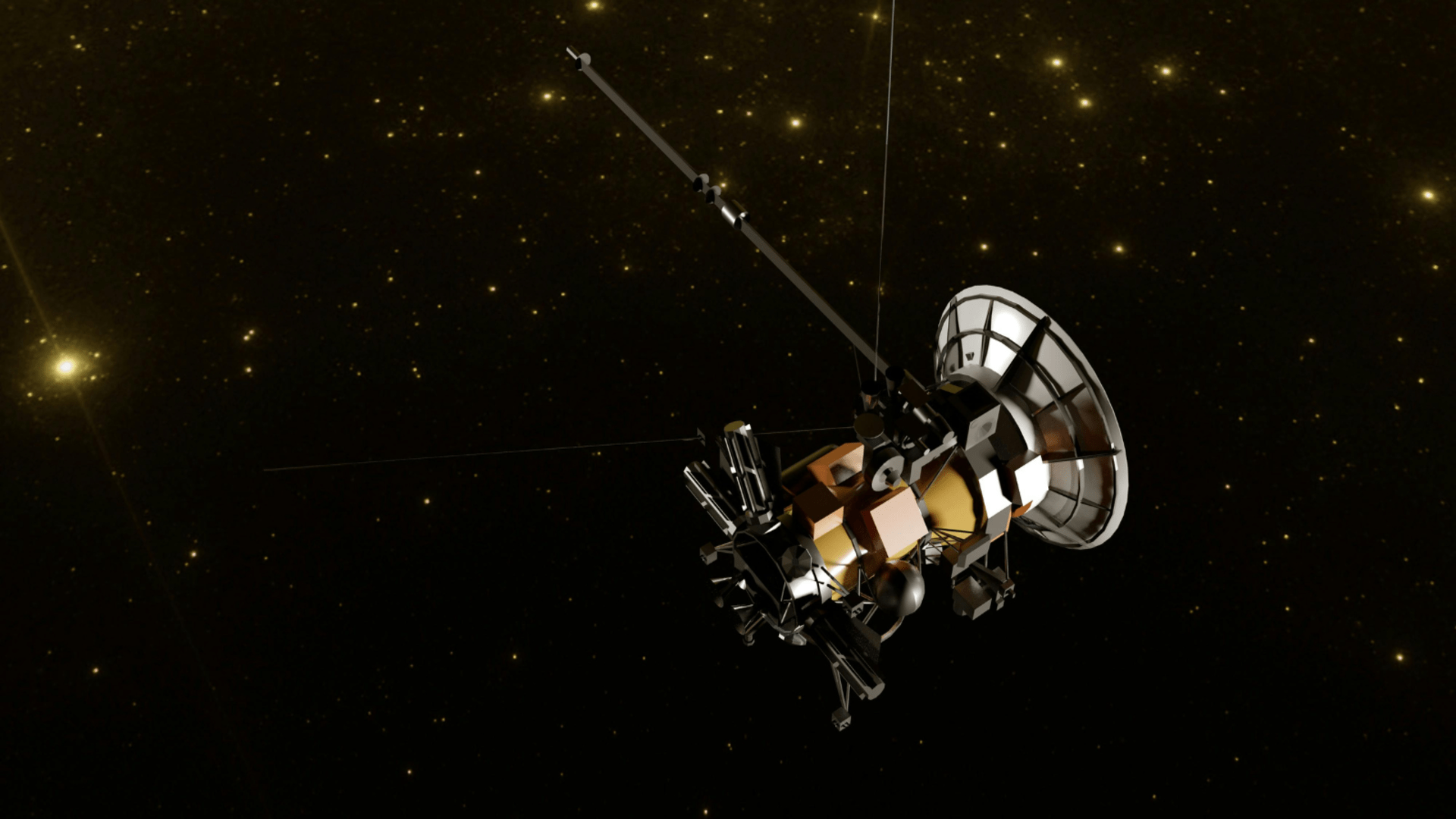
- Voyager still works using assembly code written almost half a century ago
- NASA now maintains an interstellar spacecraft with less memory than a smartphone image
- The engineers who built Voyager are disappearing faster than the spaceship itself
Launched in 1977, NASA’s sister Voyager spacecraft continues to operate with onboard computers that run assembly language written for General Electric’s custom processors.
Each spacecraft carries three separate computer systems, with a total memory of about 64 to 70 kilobytes across all three – less storage than a single small image file on a modern smartphone. Today.
NASA’s Suzy Dodd compared operating Voyager to piloting an Apple II, showing how primitive computing resources have become by modern standards.

What the spacecraft actually does and why language matters
The popular shorthand often states that Voyager runs on Fortran, but this description blurs two different things.
The spacecraft’s low-altitude flight work depends on assembly language programming on highly specialized hardware designed in the early 1970s.
Fortran was associated with ground systems and legacy mission tools, not the onboard flight software itself.
When NASA sought a replacement engineer in 2015, the job posting covered both assembly language skills and a deep understanding of the spacecraft’s unique hardware architecture.
Forty-nine years of continuous exploitation have created knowledge gaps that matter far more than the programming language itself.
Near the start of the interstellar mission after Voyager 2’s flyby of Neptune in August 1989, the flight software was updated to make each spacecraft more autonomous.
This version, supplemented by command sequences that the team uploads every few months, forms the basis of what currently works on both probes.
However, the team has declined and aged considerably over the decades, and much of the original paper documentation has been lost or fragmented over time.
Original engineers are no longer available to assist you
Larry Zottarelli was the last original Voyager engineer still working on the project when he retired in 2016 at the age of 80.
All the other original engineers are either dead or over 90, such as Dr. Gary Flandro, an aerospace and trajectory engineer who is now living in retirement.
Dodd said Live Science By early 2024, the people who built the spaceship are no longer alive, leaving a skeleton crew to maintain a code that no one completely understands.
The Voyager signal now takes more than 23 hours to reach Earth, and by the time NASA receives the next status check, the spacecraft will already be 1.5 million miles further into interstellar space.
The mission continues, but the institutional memory that built it is fading faster than the plutonium power sources that keep the probes alive.
Each passing year takes with it more knowledge, and when the last engineer who understood the assembly code retires or dies, NASA will be left with paper documentation, a waning signal, and a spacecraft that no one alive can actually repair.
Via SpaceDaily

Follow TechRadar on Google News And add us as your favorite source to get our news, reviews and expert opinions in your feeds.


