
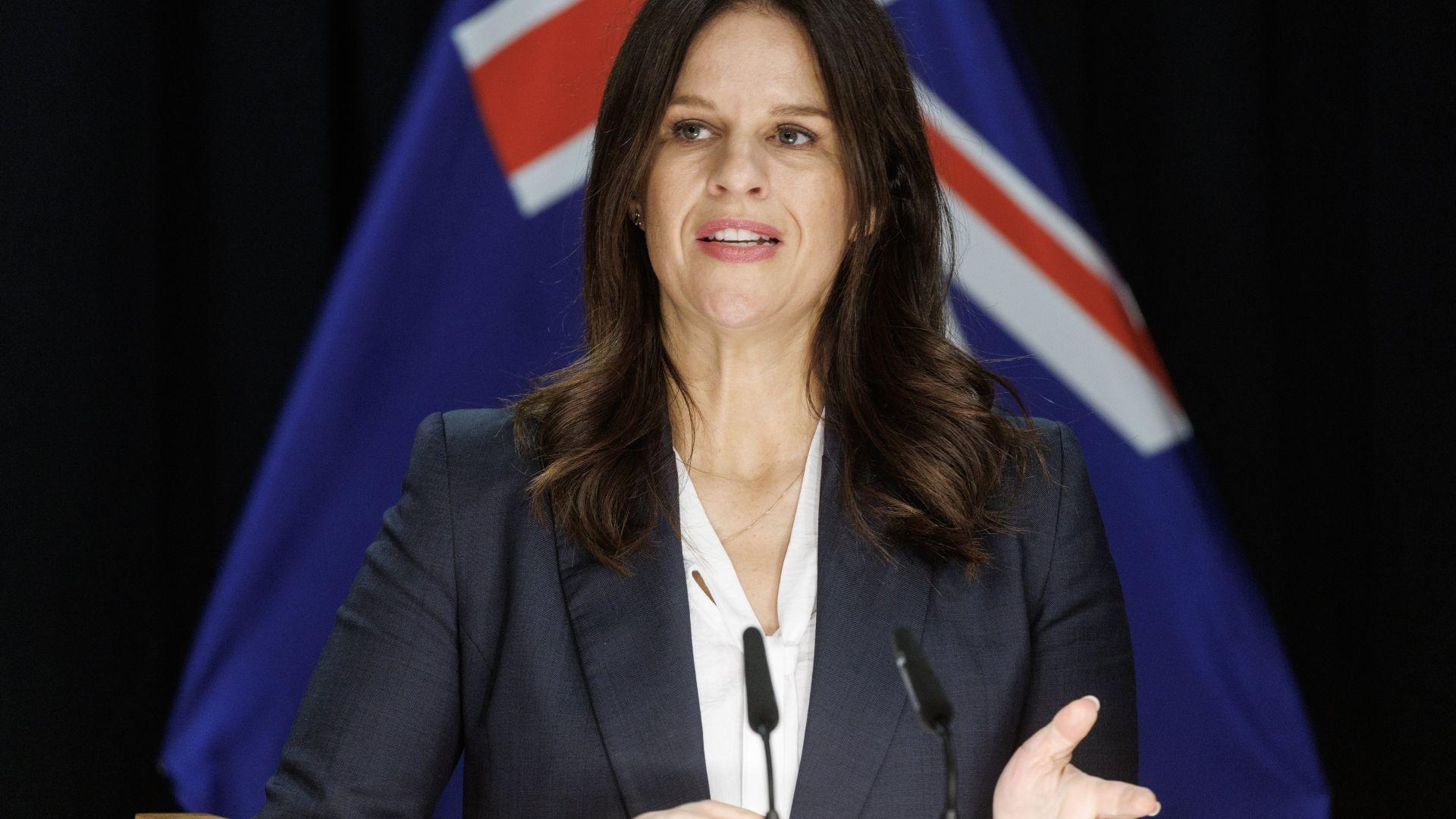
- New Zealand education minister denies plans to restrict or ban VPNs
- Reports previously claimed it was part of the teen social media ban program
- Prime Minister Christopher Luxon also confirmed “there are no plans to ban VPNs.”
The New Zealand government has officially denied any plans to restrict or ban VPN apps as part of its upcoming social media ban for under-16s, ending intense speculation and a swift backlash from digital privacy advocates.
The saga began following a Post report that Education Minister Erica Stanford said the government was considering any restrictions on VPNs as part of the country’s ban on social media for under-16s.
Because a virtual private network (VPN) can easily spoof a user’s location and bypass local network blocks, the technology has been seen by some officials as a potential barrier to enforcing age verification mandates.
The privacy backlash to New Zealand’s VPN ban
The idea of banning vital encryption software immediately sparked a political and public backlash. Coalition partners quickly distanced themselves from the idea, with the ACT party apparently marking any anti-encryption measures as a strict red line, The Post reported.
The Free Speech Union also blasted the concept. Critics have warned that a ban on VPNs would undermine digital freedom of expression and put New Zealand in the same category as oppressive regimes that strictly control access to the internet.
“The government wants the power to ban technologies that New Zealanders use every day, because these technologies make it harder for the state to control what we see and say online. This is not child protection, it’s censorship infrastructure,” the organization said in a statement.
Following the uproar, the government changed its tone.
During a recent media intervention, Prime Minister Christopher Luxon put an end to the rumors. “I can reject this categorically. There are no plans to ban VPNs at all,” Luxon said. “I don’t know where this report came from or where this story came from, but I can assure you that’s not the case.”
Shortly after the prime minister’s remarks, Stanford’s office officially clarified its position, stating that the government “is not considering restricting or banning VPNs.” For anyone who relies on the best VPN to secure their personal data, this rapid reversal is a significant victory.
The brief controversy in New Zealand highlights a growing global debate around age verification laws and privacy tools. As governments around the world attempt to regulate how minors interact with the Internet, VPNs are increasingly finding themselves in the crosshairs of lawmakers looking for foolproof ways to enforce their laws.
Since a VPN encrypts your Internet connection and hides your IP address, it is commonly used to bypass geoblocks and content filters. This makes it an obvious workaround for teens looking to avoid age barriers.
However, treating VPNs solely as evasion software fundamentally misunderstands what they do. They are essential security tools used by millions of businesses, journalists and ordinary citizens to protect sensitive data from hackers, intrusive ISPs and mass surveillance.
New Zealand’s flirtation with anti-VPN measures reflects the changing role of VPNs in the UK. This friction is also visible in Europe. The EU recently reported that VPNs could then be targeted to prevent users from circumventing local rules.
The reality is that age verification has changed the internet and authorities are desperate for ways to enforce digital boundaries. Yet, as Australia’s social media ban shows, strict child safety measures are incredibly difficult to implement – with or without a VPN.
Ultimately, lawmakers must strike a delicate balance. Enforcing a social media ban should never come at the cost of weakening the cybersecurity infrastructure that protects the entire population.
The question remains: could the UK’s social media ban, or New Zealand’s, lead to real VPN restrictions? For now, at least in New Zealand, the answer is a resounding no.
Follow TechRadar on Google News And add us as your favorite source to get our news, reviews and expert opinions in your feeds. Make sure to click the Follow button!


