
- Gamers sue Nintendo for price reimbursement
- Nintendo is currently suing the US government to get its tariffs back
- A second lawsuit wants to return these funds to the consumers who paid for them
Following the U.S. Supreme Court’s ruling that U.S. President Donald Trump’s tariffs were illegal, many companies have filed lawsuits against the government to recoup their tariffs. That includes Nintendo, but if players are successful, the money will go to its customers rather than Mario’s pockets.
Spotted by Game FIle, two Nintendo fans – Gregory Hoffert and Prashant Sharan – have filed a class-action lawsuit claiming that any money Nintendo recovers from the US government should be returned to customers like them who purchased price-inflated Nintendo products. Otherwise, Nintendo’s refund of customs duties would constitute unjust enrichment in violation of the consumer protection rules of Washington State, the state where the class action is filed.
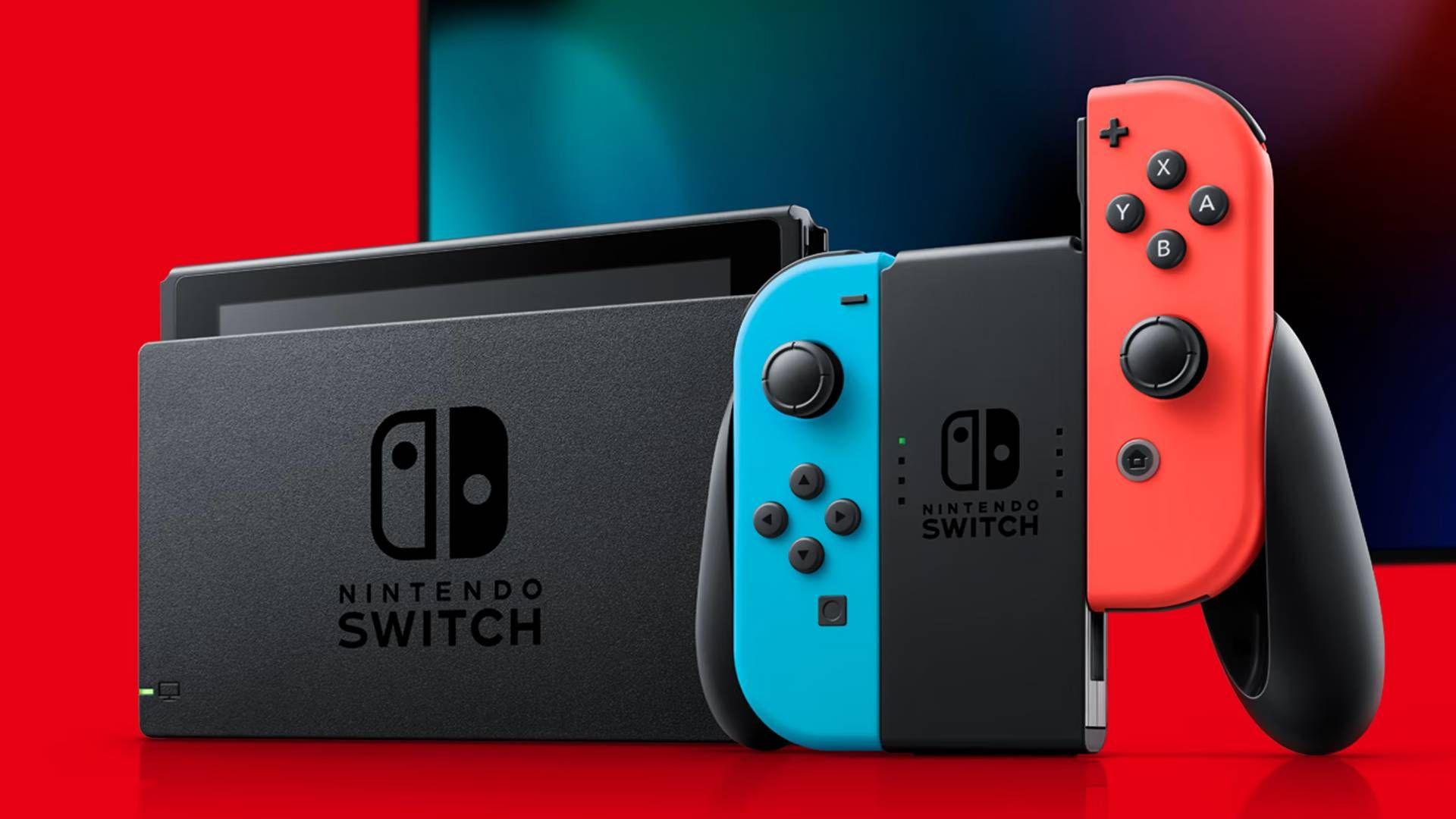
The complaint is filed on behalf of U.S. Nintendo customers who purchased a Nintendo product subject to tariffs between February 1, 2025 and February 24, 2026. This reportedly includes various Nintendo accessories and the original Nintendo Switch, whose prices increased around that time, apparently in response to the U.S. tariffs.
Article continues below
The class action also highlights comments from Nintendo President Shuntaro Furukawa, who in a May 2025 investor call said, “Our basic policy is that for any country or region, if tariffs are imposed, we recognize them as part of the cost and build them into the price,” in response to a question about tariffs.
Not a simple calculation
Nintendo has yet to comment on the lawsuit, nor has it indicated whether it will return recovered funds to customers when asked about it in the past, and legal experts have begun to weigh in saying this lawsuit is unlikely to succeed. Some companies – such as FedEx, UPS and DHL – have agreed to refund fares to customers, and perhaps Nintendo will do the same (especially if it feels public pressure following this lawsuit).
The situation is not simple, however. First, businesses may not have passed on 100% of tariff costs to consumers, and tariff costs are not easy to quantify: for example, businesses may have incurred debt to pay taxes and had to repay the interest on their loan.
In other words, 100% of the money refunded to businesses might not be owed to consumers. Issuing accurate refunds would therefore be a major challenge, causing headaches that most businesses might not want to resolve.
From now on, if consumers are asked to bear part of the burden of customs tariffs, since repealed, they should be reimbursed even if it is difficult to determine precisely what they are owed. This seems like the right thing to do, especially if the company gets reimbursement from the government.
That said, I wouldn’t hold my breath if I were you. Unless legal action or public pressure is successful, I don’t think many companies will issue refunds directly. And, as I’ve warned before, be on the lookout for fare refund scams. Especially since there is so much confusion surrounding the situation, I wouldn’t be surprised if bad actors tried to take advantage of it.

Follow TechRadar on Google News And add us as your favorite source to get our news, reviews and expert opinions in your feeds.

The best Nintendo Switch 2 games to play right now


