
- O2’s 2G networks set to be retired from 2029, in line with industry
- 4G and 5G networks are more secure and efficient
- Some IoT and connected systems still use 2G
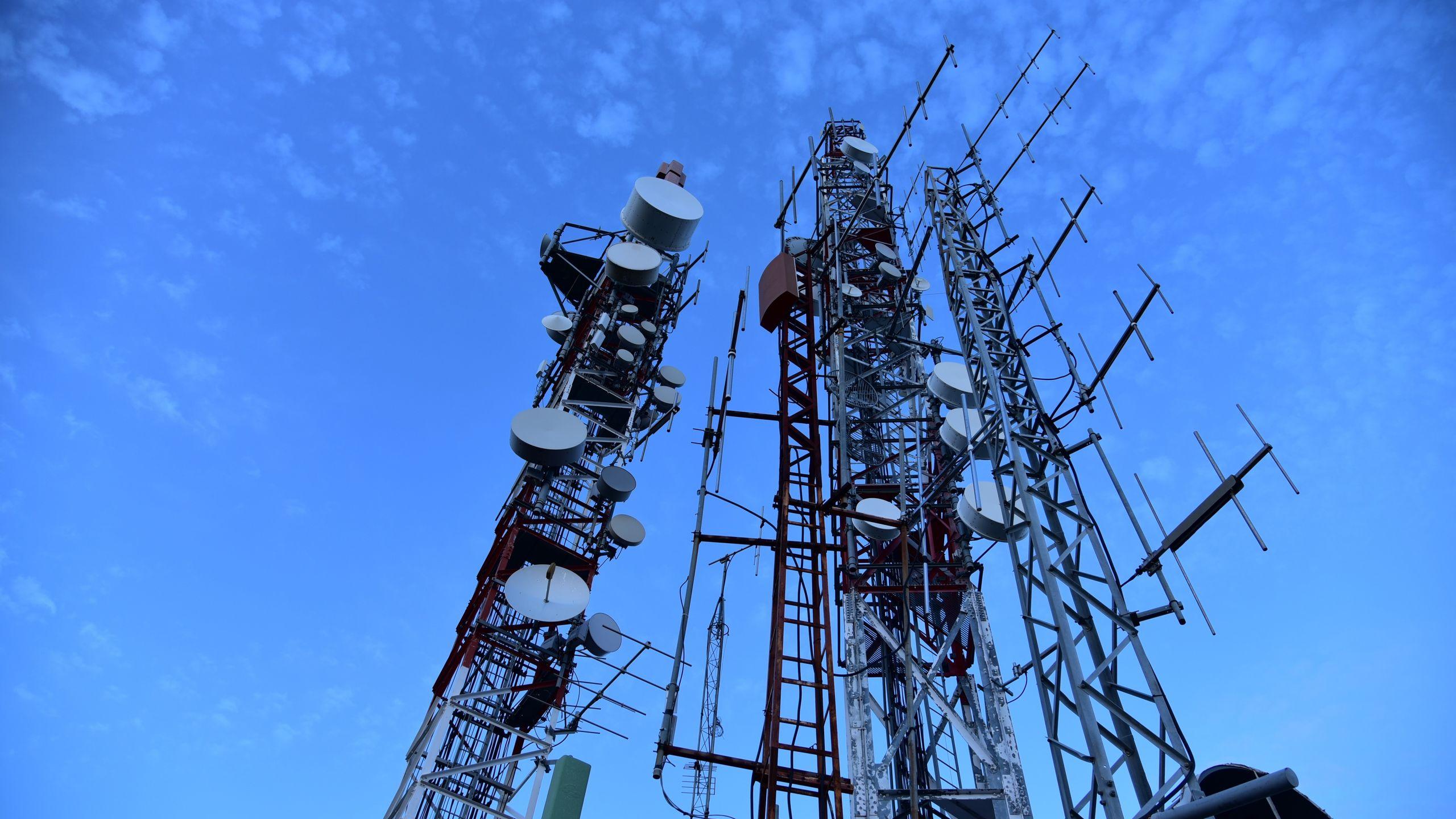
Virgin Media O2 (VMO2) has become the latest UK mobile operator to announce plans to shut down its legacy 2G networks from 2029.
At the same time, VMO2 said not having to deal with 2G networks would free up more resources to maintain and improve the capacity, speeds and reliability of 4G and 5G networks.
The company has already started shutting down its 3G networks in 2025, with a nationwide shutdown planned as early as this year, but 2G networks have remained open in the meantime.

VMO2 will start operating 2G networks from 2029
EE is also switching off its 2G networks from 2029, with VodafoneThree following suit in 2030.
While VMO2 promises to notify customers to help them identify affected devices and migrate to more modern networks, most smartphone users are unlikely to notice an impact because modern smartphones rely instead on 4G and 5G networks.
But IoT devices, smart meters, payment terminals, alarm systems and other critical infrastructure have traditionally used 2G networks.
“Even though most customers won’t need to take any action, some businesses may need to start planning for this now,” said CTO Jeanie York.
The industry-wide 2G shutdown is ultimately part of the government’s plans to strengthen telecommunications security, following concerns over supply chain risks, cyberattacks and the general security of critical national infrastructure.
VMO2 also revealed the environmental benefits of the closure. Although its 2G networks carry only 0.5% of all VMO2 mobile network traffic, they account for more than 10% of the total energy consumption of the company’s cell sites. The company said its 4G and 5G networks are 10 times more efficient.

Follow TechRadar on Google News And add us as your favorite source to get our news, reviews and expert opinions in your feeds.


