
Rapid infestations and fungal diseases are raising alarm among growers, prompting calls for government intervention
HYDERABAD:
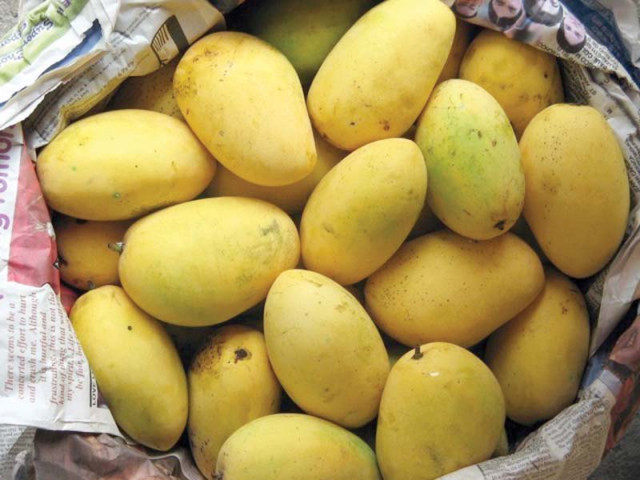
A sudden and aggressive wave of pest attacks has gripped mango orchards across Sindh, leaving growers reeling and scrambling to find effective control measures.
The alarm was raised at a weekly meeting of the Sindh Abadgar Board (SAB), where farmers described infestations as rapid and overwhelming, often leaving little time to mitigate them. The session was chaired by SAB Chairman Mahmood Nawaz Shah, who highlighted the growing vulnerability of orchards to changing environmental conditions.
Participants noted that while farmers are generally familiar with managing pests such as larvae, thrips and jassids, the current outbreak – associated with fungal diseases like anthracnose and mango malformation – has proven particularly destructive. Anthracnose, widely recognized as one of the most damaging diseases of mangoes globally, can cause serious pre- and post-harvest losses, particularly in poorly managed orchards.
Beyond mangoes, farmers have expressed concern about the broader impact of climate variability, particularly El Niño, on key crops like cotton and rice. They warned that temperatures that are too high during critical stages of growth, such as grain formation, can lead to poor harvests and significant drops in yields.
Calling for coordinated action, the council urged the Sindh agriculture department and academic institutions to collaborate with farmers to study climate patterns and pest behavior. They highlighted the need for data-driven solutions to determine how temperature and humidity influence outbreaks and to develop timely preventive and curative strategies.
The meeting also highlighted the urgency of developing heat and drought resistant seeds, as temperatures in the region have already exceeded 45°C and are expected to rise further, increasing evapotranspiration and water demand for crops.
Farmers further highlighted growing economic pressures, citing falling market prices of vegetables and fruits – including tomatoes, cabbage, cauliflower, okra and melon – as well as rising production costs driven by repeated hikes in fuel prices. They warned that these combined challenges are inflicting heavy financial losses on producers.
To counter these trends, the council called on the government to promote value addition in horticulture, thereby enabling the processing and export of surplus produce. Without such measures, they warn, export potential will remain underutilized.
The meeting was attended by several key members including Dr Zulfiqar Yousfani, Bashir Nizamani, Syed Nadeem Shah, Aslam Mari and Manroor Soomro, among others.


