
ISLAMABAD:
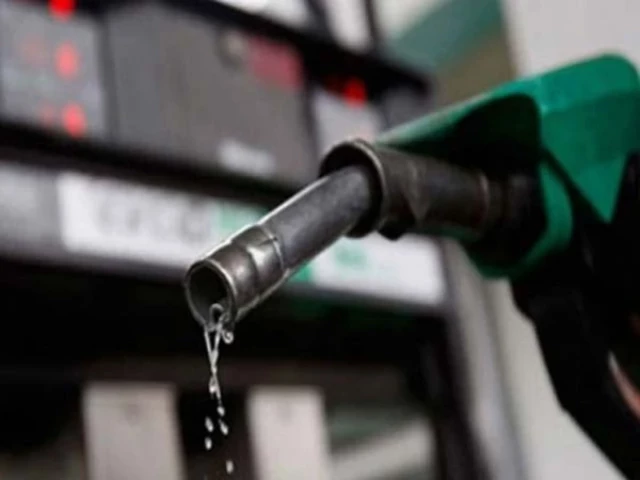
The federal government on Friday announced a significant reduction in petroleum prices, reducing petrol and high-speed diesel by Rs 22 per liter.
According to a notification issued by the Petroleum Division of the Ministry of Power, high-speed diesel has been reduced by Rs 22 per liter, while motor spirit (petrol) has also been reduced by the same amount for the coming week.
Prime Minister Shehbaz Sharif had earlier promised that the aid would be passed on to the public as soon as fiscal space was available. This commitment, officials said, has now been fulfilled and is being presented as an “Eidul Azha gift” to the public on the third day of the festival.
The Prime Minister also noted that similar relief was provided the previous week when fuel prices were reduced, reiterating that easing the burden on consumers remained a top priority of the government.
The officials further said that during the recent surge in global oil prices, despite the rise in international rates since March, the government avoided passing on the full impact to domestic consumers by providing subsidies exceeding Rs 130 per liter over time, thereby maintaining price stability.
They added that at a time when several countries in the region were facing fuel shortages and long queues at fuel stations, Pakistan had managed to ensure uninterrupted availability of petroleum products through timely policy interventions.
The government said continued efforts were being made to balance budgetary constraints and public assistance while ensuring stable fuel supplies across the country.
According to the official notification, the revised ex-depot price of high-speed diesel has been fixed at Rs 380.78, up from Rs 402.78, while motor spirit (petrol) now stands at Rs 381.78, up from Rs 403.78.
Oil falls on truce prospects
Oil prices fell further on Friday due to investor optimism that the United States and Iran could reach a deal to extend their ceasefire.
Oil markets have been up and down this week as investors weigh the chances of a breakthrough between Washington and Tehran that could potentially resume shipping through the crucial Strait of Hormuz.
Those hopes were briefly dashed by new U.S. military strikes against Iran on Wednesday, countered by the Revolutionary Guard’s targeting of a U.S. airbase in the region.
Thursday evening, negotiators moved closer to an agreement to extend their fragile ceasefire by 60 days, pending approval from President Donald Trump, American sources told AFP.
Although details of a possible deal are scarce, “oil traders are optimistic that disruption in the region will end,” said Derren Nathan, head of equity research at Hargreaves Lansdown.
However, “the market’s patience could be tested if a deal is not reached by early June, and this could have big consequences for the price of oil and the recovery of global stock markets,” said Kathleen Brooks, research director at XTB.
(With contribution from agencies)


