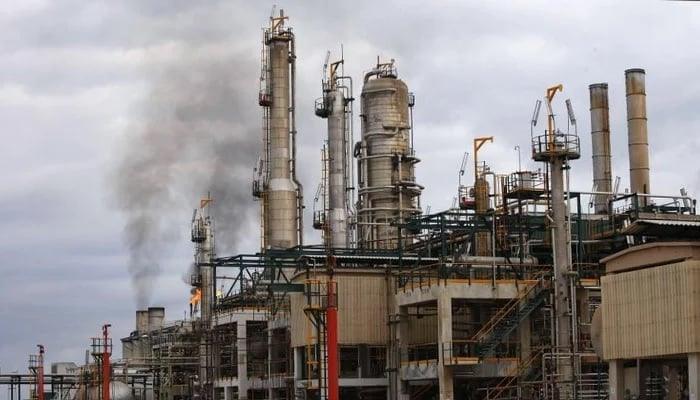
ISLAMABAD: A major anomaly in Pakistan’s oil pricing mechanism has generated windfall gains for local refineries and a sustained financial burden on consumers, despite the government revising the pricing formula earlier this month.
An in-depth analysis by oil industry sources of official pricing data for March and April 2026, shows that a wide gap between international diesel prices and crude oil benchmarks has allowed refineries to make extraordinary margins despite the government’s revision of the formula, raising serious questions about the effectiveness and timing of regulatory intervention.
Under Pakistan’s pricing regime, petroleum products are linked to international benchmarks through the Import Parity Price (IPP) mechanism. Refineries receive ex-refinery prices based on these benchmarks as well as margins protected by presumptive duties, while the Oil and Gas Regulatory Authority (Ogra) sets retail prices after adding taxes and distribution costs.
The sources explain that refinery profits mainly depend on the “crack spread” – the difference between crude oil prices and refined product prices. Although this gap generally follows a stable trend, it widened sharply in March, creating an exceptional price distortion.
The data shows that in March 2026, Platts-based diesel prices averaged $193.96 per barrel, compared to $108.45 per barrel for Arab Light crude, a ratio of about 180%. Based on historical crack spreads, the price of diesel should have been around $124.72 per barrel. Instead, the excess margin averaged $69.24 per barrel, equivalent to Rs121.51 per liter at the ex-refinery level.
The sources insist that the gap peaked on March 30, when diesel prices soared to $250.63 per barrel, compared to $113.69 per barrel for crude, pushing the gap to around 220%. With local diesel production recorded at 490,000 tonnes, refineries are said to have made around Rs 60 billion in additional profits in March alone, including around Rs 25 billion in the last week of the month.
Despite the first warning signs, the government did not act quickly. “The anomaly should have been corrected in early March, but the impact passed on to consumers, allowing refineries to make abnormal profits,” a source said.
Following growing criticism, the government adopted a cost-plus pricing formula in April for a temporary period of three months, replacing the import parity model. Under the revised system, diesel prices are calculated based on Dubai crude plus a fixed crack spread of $52.89, including premium and freight. Although the revised formula suggests a lower crack spread limit of $11.33, the regulator prefers to give the higher range to refineries, allowing them to make more money.
However, according to the sources, new data shows that while the revision reduced the price gap, it did not eliminate it. In April, diesel prices averaged $189.27 per barrel, compared to $115.06 per barrel for Arab Light crude, a differential of about 164 percent. Based on historical crack spreads, the indicative price of diesel stood at $132.32 per barrel, leaving an excess margin of $56.95 per barrel, or nearly Rs 100 per litre, sources said. Under the revised formula, the benchmark diesel price averaged Rs 277.10 per litre, lower than the Rs 332.16 under the previous regime but still significantly higher than the Rs 232.22 per liter level derived from crude-based benchmarks. This implies that diesel remained overpriced at around Rs 30 per liter even after the revision, the sources said.
The sources revealed that authorities were alerted to the anomaly in early April but “ignored it until the issue resurfaced in the media”, leading to a possible revision of the formula. Even after the change, concerns persist. “The anomaly has not been fully corrected and refineries still benefit from additional margins,” a source said.
The financial results reinforce these concerns, the source said, adding that four listed refineries reported combined gross profits of Rs72.2 billion for the January-March quarter, compared to Rs27.3 billion in the previous six months. A significant portion of these profits are attributed to high diesel margins in March. Figures exclude PARCO, which is not publicly traded.
Separately, market sources indicate that a further increase in petrol and diesel prices is under consideration, a move that could impose an additional burden on consumers. Critics argue that the correction should have been applied retrospectively.
“The revised formula should have come into effect on March 26 and excess margins made thereafter should have been recovered,” a source said. Instead, they say, the burden continues to fall on consumers. “Rather than recover the excess earnings, the government increased prices by Rs27,” the source added.
These developments are likely to trigger a renewed review of Pakistan’s oil pricing framework, with growing calls to align domestic fuel prices more closely with crude oil benchmarks and prevent windfall gains at the expense of the public.
Originally published in The News