
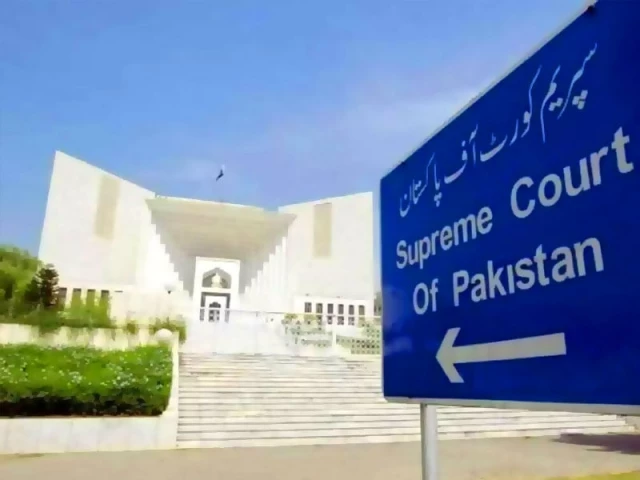
The Supreme Court lamented that politicians in general, and parliamentarians in particular, are so vulnerable that they can even be implicated in capital charges without any justification and with malicious intent on the part of a public servant.
"Since parliamentarians represent the people of their respective constituencies, the magistrate was supposed to be vigilant and follow the parameters of Section 364 of the CrPC, but he ignored this important aspect and continued to include their names in the statement." said an eight-page judgment written by Justice Jamal Khan Mandokhail. Justice Mandokhail headed a three-judge bench that acquitted a person, an MQM politician, whom a trial court had sentenced to life imprisonment for murder in 2016 based on his confession. The Sindh High Court (SHC) had upheld his conviction. The judgment notes that the prosecution’s theory only converges on judicial confessions attributed to the appellant, which alone constitute the basis of the conviction.
"It is therefore imperative to examine with utmost care, caution and circumspection whether such confessions meet the well-established requirements of the law, namely whether they were voluntary, truthful and inspiring confidence, particularly when they have been retracted.
"A fundamental flaw in this case concerns the manner in which the appellant became an accused," indicates the judgment. He noted that the appellant was taken into custody by Ranger in 2016, about six years after the FIR was registered in preventive custody under section 11EEEE of the ATA 1997. In this regard, a notification from the federal or provincial government was required, enabling the law enforcement agencies to detain the appellant for a period not exceeding three months after recording the reasons. However, the file contained no such notification justifying preventive detention. He noted that during this custody, the appellant admitted his guilt before the Rangers, after which he was handed over to the police on June 21, 2016, the date recorded as the date of arrest in the record. The order said that the appellant remained in police custody for eight days, after which his statement under Section 164 of the CrPC was recorded, in which he allegedly confessed his guilt.
"Confession is an admission of guilt by an accused before a magistrate during the investigation, which must be voluntary and truthful," says the judgment. He further explained that Section 364 CrPC, read with the rules and orders of the High Court, requires the Magistrate to satisfy himself, before recording a statement, that the accused makes a voluntary and true statement and is free from any influence, pressure, inducement, threat or coercion.


