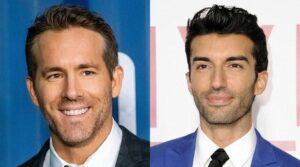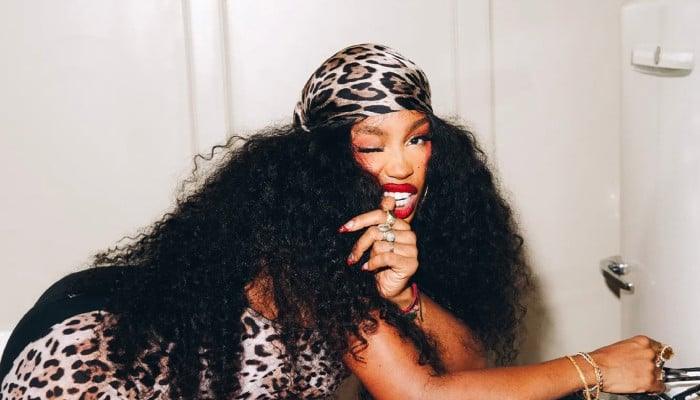
SZA launched a fierce attack on AI music generators and the artists who support them, specifically calling out Suno and alleging that producer Diplo has equity in the company and is trying to train it to work for black musicians.
The Grammy-winning artist took to Instagram on Saturday to make her feelings known in no uncertain terms.
Writing on her private account, she argued that black artists are unfairly vulnerable to exploitation of their creative work.
“We represent 13% of the American population and yet we influence the world with our sound and perspective,” she wrote.
“I HAVE NOT HEARD A WHITE AI SONG YET… We have no legislative protection in medical or creative matters. Easiest to steal. DON’T GIVE AWAY YOUR VIBRANIUM!!! DON’T TRAIN THE AI WITH YOUR GENIUS.”
On her main Instagram account, she went further, saying that a search of her name revealed that AI models had been trained on 238 of her songs.
His message to any musician who supports this practice was clear.
“If you’re a musician and you support this degenerate shit? You’re disgusting and there’s NOTHING YOU CAN EVER SAY TO ME TO MAKE THIS OKAY. I hope you get the life you deserve.”
A Suno spokesperson declined to comment directly on SZA’s allegations, instead pointing to a LinkedIn post from the company’s product manager, Jack Brody, who said that Suno’s training metadata does not include artist names, cannot replicate the material it was trained on, and that the company is working to improve impersonation detection.

Suno’s Approach to Platform Integrity and Music Copyright Protection

It remains unclear whether Diplo owns shares in Suno. A representative for him did not immediately respond to requests for comment, although he spoke positively about using the platform.
Diplo’s own stance on AI in music is the opposite of SZA’s. In an interview in April, he said there was “no combat AI” and that he no longer needed human voices for his songs.
“The customer and accessibility are what’s always going to win,” he said.
“99% of people will want to like the best product, as quickly as possible and at the cheapest price, that’s what the American economy is all about.”
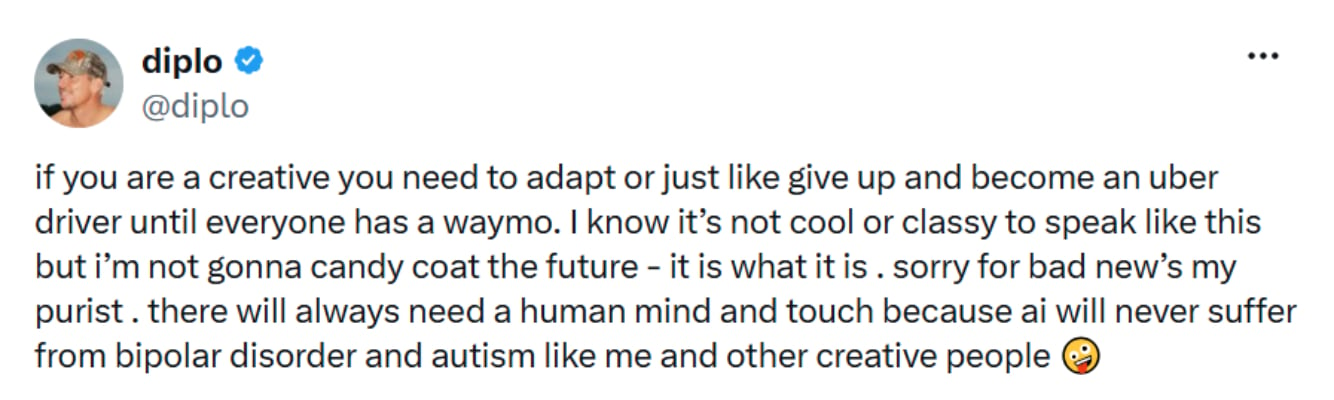
In a follow-up article on X, he told artists to “adapt or just give up and become a super driver.”
This dispute reflects a deepening fault line running through the music industry.
Producer Jack Antonoff recently called those who make music with AI “fucking ungodly” and “bad actors,” while Will.i.am and Timbaland have invested in AI companies.
SZA’s own label, RCA Records, is owned by Sony Music, which is currently in litigation against Suno and its competitor Udio.
Warner Music Group and Universal Music Group settled their own lawsuits against the platforms, a move that has since prompted a new lawsuit against the labels by the American Federation of Musicians.
Suno recently completed a $400 million investment round, with CEO Mikey Shulman saying contributors included prominent figures in the music industry, although the company declined to name them.