
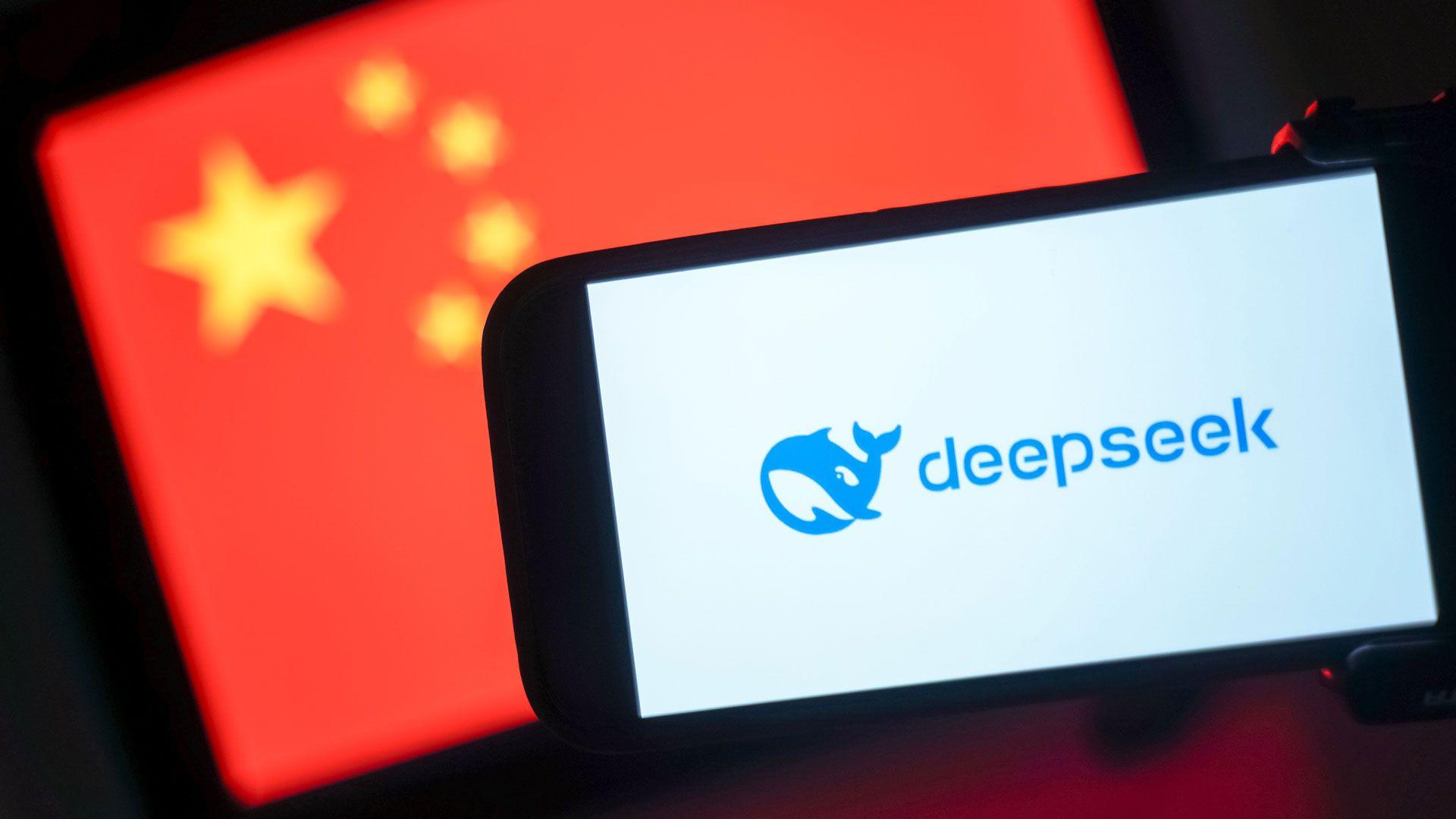
- China continues to eliminate demand for AI chips from its ecosystem and foreign AI models, citing “security risks” and privacy concerns.
- The harshest warnings come from China’s Ministry of State Security (MSS)
- US companies continue to turn to cheaper alternatives for their AI needs
In what many might view as a tit-for-tat response to the United States’ growing tightening of controls and sanctions on providers of AI hardware and software services, as well as purchases across the board, Chinese authorities increasingly appear to be emphasizing increased disengagement from U.S.-based providers, citing security concerns for users taking advantage of gray market access to frontier models such as Anthropic’s Fable.
China’s Ministry of State Security (MSS), responsible for domestic and foreign intelligence and surveillance operations, has warned that users who leverage third-party tools and marketplaces to access highly sought-after computing resources from U.S.-based AI models could expose themselves to security risks and potential cyberespionage backdoors.
He highlighted inadequate encryption, bait-and-switch models and even potential data retention as key concerns, which aligns with the narrative of many U.S.-based security agencies that sprung into action once models such as DeepSeek began gaining traction in domestic markets.

Concerns about AI abuse grow on both fronts
While the Chinese and U.S. governments have become increasingly hostile to foreign AI, citing them as security threats, U.S. consumers continue to use models like Alibaba’s advanced Qwen 3.6, DeepSeek V4 Pro, and GLM 5.1, all of which offer open source models that enable localized AI as well as hosted inference options that are cheaper than what OpenAI and Anthropic currently charge for their services.
The reason comes down to one simple factor: cost. Not only do distilled models like those offered by DeepSeek cost a fraction of their peers, but they can also be deployed without any licensing costs on existing hardware, even as models become larger and more complex in terms of computing power and memory requirements.
That hasn’t stopped Chinese developers and AI enthusiasts from doing just the opposite, seeking the cheapest way to access U.S.-based AI models and their computation at a fraction of the cost, regardless of the tradeoffs involved.
Research published in May 2026 by Zilan Qian of the Oxford China Policy Lab documented a thriving ecosystem of API “transfer stations” – proxy services operating openly on Taobao, GitHub and Telegram that resell access to Anthropic’s Claude models for just a tenth of the official price.
The ads advertise unlimited Claude Code subscriptions, full access to Claude Opus, 1 million token pop-ups (no VPN required), and RMB payment via WeChat or Alipay.
The economics only work because the product is rotten underneath: mass-registered accounts that generate free credits, subscriptions distributed among dozens of users, credentials purchased with stolen credit card data, indicating that Chinese authorities are warning of a trend that is becoming both a security and financial risk for all parties involved.
This, coupled with the fact that the White House continues to accuse Chinese developers of “jailbreaking” or stealing data from American AI models, indicates that the problem is tenuous, as the two countries compete for the coveted position of being the first to chart the path to AGI (Artificial General Intelligence).
A message from Chinese security services, such as the MSS, in this context implies that even as U.S. consumers continue to adopt the region’s technology, Chinese consumers may face future restrictions, with advisories like the one provided often supported by covert and overt actions by state agencies to ensure compliance.
An example of how this could work can be found in the domestic chip market: while there is no blanket ban on importing Nvidia GPUs for AI training and inference workloads from the Chinese state, the country largely discourages such imports, leading to some interesting observations from Huawei’s president after US authorities’ initial heavy-handedness over export approvals for high-end AI chips from Nvidia and AMD.
China now continues to build, modernize and redesign its chip and memory manufacturing sectors on a war footing, much to the dismay of Nvidia CEO Jensen Huang.
Both countries could for now view their counterparts’ users as a victory for their AI models; additional users, and therefore queries, allow more training and information to be passed on, allowing for refinement of both security issues, such as jailbreaking, and also access to a wealth of information from end users, which enhances the cognitive capabilities of frontier AI models.
As things stand, as US consumers continue to benefit from access to Chinese AI models, the US government may also, in the near future, go further than it already has when it comes to enforcing heightened restrictions on users wishing to use “foreign AI” as the battle lines continue to be drawn, although China appears to be pre-empting such a move using the same rhetoric.

Follow TechRadar on Google News And add us as your favorite source to get our news, reviews and expert opinions in your feeds.


