
- The U.S. Army received more than 200 proposals and approved 20 for immediate execution
- Four military installations could soon host large-scale data center campuses across America
- All proposed installations must produce their own electricity without drawing on local networks.
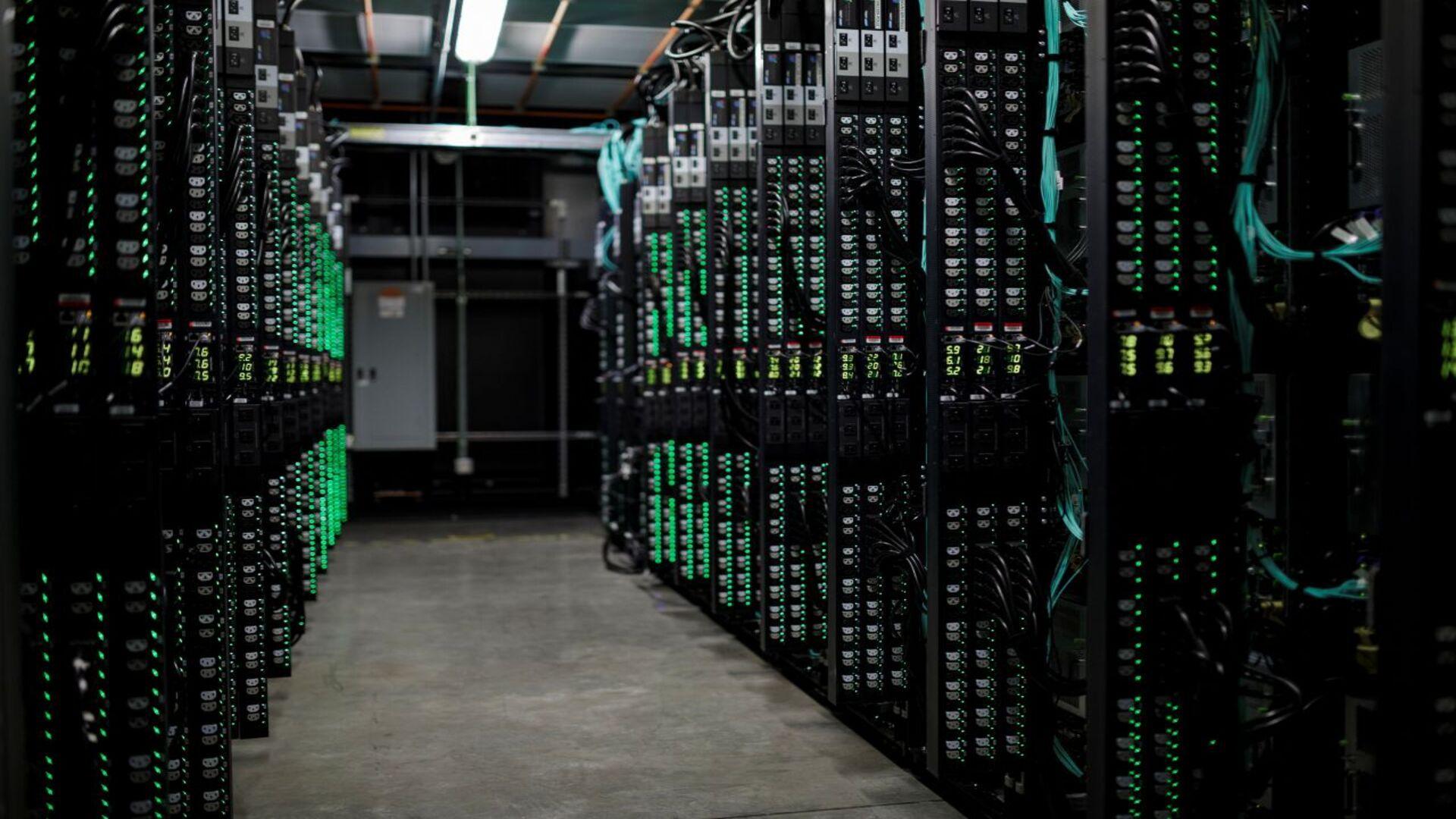
The U.S. military is exploring plans to develop new data centers while trying to avoid the community resistance that big tech companies increasingly face.
Officials say future projects will involve direct engagement with residents and address concerns about energy use, water consumption and economic impact.
The U.S. military received more than 200 responses to a March 2026 call seeking private sector ideas on modernizing its infrastructure through new contracting models and public-private partnerships.

Of the proposals received, around 120 were deemed viable, while around 20 have already entered various stages of execution.
Army officials are currently reviewing plans that could integrate data centers at four military installations across the United States – potential locations include Fort Bliss in Texas, Fort Hood in Texas, Fort Bragg in North Carolina and Dugway Proving Ground in Utah.
Unlike many commercial developments that have faced criticism for resource consumption, the military says proposed facilities must include independent power generation and net water use plans.
The Army is currently conducting discussions with residents, utility providers and private sector partners before construction decisions are finalized.
Army officials recently met with community members near Fort Bliss, along with El Paso Water, El Paso Electric and Carlisle, the company interested in developing a facility on nearly 1,400 unused acres.
Col. John Oliver said the military’s approach differs from that of private technology companies because military installations already exist in surrounding communities.
“So I think the difference between us, the Army, creating a data center, and say Meta or Google, is that we are part of the communities that are there,” he said.
Darrell West, a senior fellow at the Brookings Institution, argued that transparency remains essential because residents often want detailed information about water usage, electricity supply, costs and expected noise levels.
Broader infrastructure plans extend beyond IT facilities
The Army’s Strategic Capital Initiative is also considering proposals for manufacturing modernization, logistics improvements and domestic industrial expansion.
More than 95 percent of submissions came from organizations that had never worked with the Army before, creating opportunities for new partnerships.
Several projects have already moved forward, including a turbine engine modernization facility at the Corpus Christi Army Depot and new energy manufacturing initiatives at the Pine Bluff and McAlester facilities.
Army leaders are also evaluating proposals involving critical mineral processing and energy production technologies.
According to Oliver, future power systems could involve geothermal resources, gas turbines or small modular nuclear reactors, depending on local requirements.
Long-term planning goes beyond building individual facilities and instead envisions a broader ecosystem combining military computing, commercial operations, and dedicated power generation.
“Our data centers won’t just be big buildings in the middle of nowhere run by 10 people,” Oliver said.
The proposal reflects a growing recognition that AI tools, energy infrastructure and all major data centers increasingly depend on community acceptance as much as technical capabilities.
Via Defense One

Follow TechRadar on Google News And add us as your favorite source to get our news, reviews and expert opinions in your feeds.


